Introduction
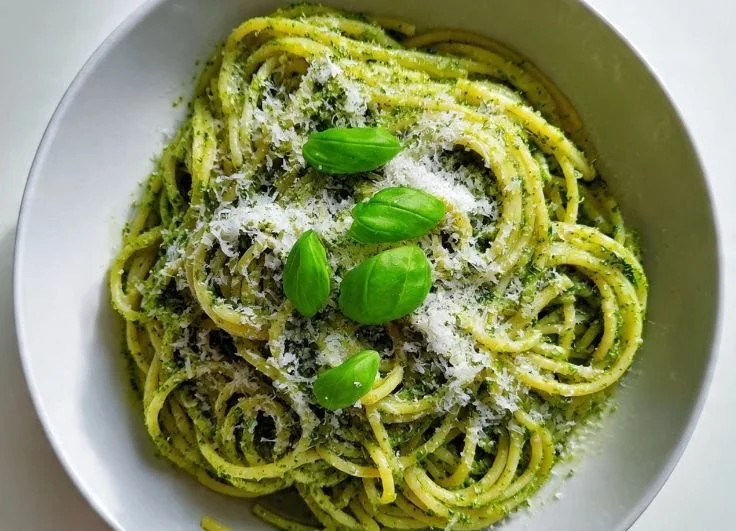
Steam rises from a bowl of freshly tossed spaghetti pesto, carrying the green, herbaceous perfume of basil and the warm, nutty whisper of toasted pine nuts. Each twirl of pasta catches glossy emerald sauce that clings with a silky sheen; the first forkful greets you with bright, citrusy basil, a savory kiss of parmesan, and the gentle richness of extra virgin olive oil. The texture is a pleasing contrast — tender, al dente strands wrapped in a creamy, slightly coarse pesto flecked with tiny bits of pine nut and parmesan.
This recipe is one of those comforting yet celebratory dishes: effortless enough for a weeknight supper, elegant enough for a small dinner with friends, and quick to assemble when you want something satisfying without fuss. If you love classic pasta comforts like a hearty classic spaghetti Bolognese, this lemon-bright pesto will offer a lighter, herb-forward counterpoint that feels both familiar and refreshingly new.
Dish Snapshot
- Prep Time: 10 minutes
- Cook Time: 10 minutes
- Total Time: 20 minutes
- Servings: 4
- Difficulty Level: Easy — great for beginners and busy cooks
Nutrition Highlights
Estimated nutrition per serving (recipe serves 4). Values are calculated from standard composition data (USDA FoodData Central) and rounded for clarity. These are estimates and can vary by brands and exact ingredient weights.
- Calories: ~670 kcal
- Protein: ~18 g
- Carbohydrates: ~62 g
- Fat: ~38 g
- Saturated Fat: ~7 g
- Fiber: ~3.5 g
- Sodium: ~250–400 mg (depends on cheese and added salt)
Notes: this pesto-forward dish is higher in healthy monounsaturated fats due to olive oil and contains moderate protein from pasta and parmesan. If you need a lower-calorie plate, reduce the oil by a few tablespoons or cut portion size. (Nutrition estimates derived from USDA FoodData Central and typical product values.)
Why You’ll Love It
Spaghetti pesto is a headline of bright flavor and effortless comfort. The aroma alone — fresh basil and roasted nuts — is instantly uplifting. It’s perfect for:
- Quick weeknight dinners when you want something membrane-cheering and fast.
- Casual dinner parties because it can be mostly prepared ahead and finished in minutes.
- Spring and summer meals when basil is abundant, offering a seasonal vibrancy.
- A nostalgic family favorite that’s easy for kids to enjoy and for adults to “dress up” with add-ins.
It combines speed and depth: simple ingredients produce a complex, layered taste that feels like more work than it is.
How to Make Spaghetti Pesto
Ingredients
- 12 ounces (340 g) spaghetti
- 2 cups fresh basil leaves, packed (about 60 g)
- 1/3 cup pine nuts (about 45 g) — lightly toasted for best flavor
- 2 cloves garlic, peeled
- 1/2 cup freshly grated Parmesan cheese (about 50 g)
- 1/2 cup extra virgin olive oil (120 ml)
- 1/2 teaspoon salt, plus more to taste
- Black pepper, to taste
- 1/4 cup reserved pasta water (from cooking the spaghetti)
Optional ingredients and substitutions
- Swap pine nuts for walnuts or almonds (toasted) for a budget-friendly twist.
- For a creamier texture, add 1–2 tablespoons of cream or a small scoop of ricotta.
- To make the dish vegan: replace Parmesan with nutritional yeast or a vegan hard cheese alternative and ensure your pasta contains no eggs.
- Use whole-wheat or gluten-free spaghetti to suit dietary needs.
Method — Step-by-step
- Bring a large pot of salted water to a rolling boil. Add the spaghetti and cook until al dente according to package instructions (usually ~8–10 minutes). Before draining, reserve 1/4 cup of the starchy pasta water and set aside. Drain the pasta. Tip: taste a strand a minute before the suggested time to avoid overcooking.
- While the pasta cooks, lightly toast the pine nuts in a dry skillet over medium heat until fragrant and just golden — 2–4 minutes. Watch closely; they burn quickly. Let cool.
- In a food processor or high-speed blender, combine the basil leaves, toasted pine nuts, garlic, and Parmesan. Pulse several times until the mixture is finely chopped but not pureed into dust.
- With the motor running, slowly stream in the olive oil until the pesto becomes smooth and emulsified. Scrape down the sides as needed. Season with 1/2 teaspoon salt and a few grinds of black pepper; pulse to combine. Tip: stop blending when small flecks remain — a little texture is desirable.
- Place the drained spaghetti in a large mixing bowl. Add the pesto and pour in about 2 tablespoons of the reserved pasta water. Toss gently to coat the strands evenly. If the sauce seems too thick, add more of the reserved water a tablespoon at a time until glossy and well-coated.
- Let the pasta sit for a minute so the flavors meld. Taste and adjust salt and pepper. Serve topped with extra grated Parmesan and a few fresh basil leaves.
Practical tips
- Avoid over-processing the basil to keep a bright color and fresh flavor.
- Use fresh-grated Parmesan rather than pre-grated for better melting and flavor.
- Reserve a little more pasta water if you prefer a saucier finish.
Best Pairings
- Serve alongside a crisp green salad (arugula, lemon vinaigrette) to cut through the richness.
- A chilled glass of Sauvignon Blanc or Vermentino complements the herbaceous pesto.
- Add a simple protein: grilled chicken, seared shrimp, or roasted salmon for a heartier meal.
- For a contrasting side, try roasted cherry tomatoes or sautéed green beans. Also, if you enjoy different takes on spaghetti sauces, compare textures with a creamy option like lemon ricotta spaghetti for a bright, silky alternative.
Keeping it Fresh
- Room temperature: Prepared spaghetti pesto should not be left at room temperature for more than 2 hours (food safety best practices).
- Refrigeration: Store leftovers in an airtight container for up to 3–4 days. Press a piece of plastic wrap directly on the surface of the pesto on top of the pasta to reduce oxidation and browning.
- Freezer: Pesto freezes very well. Spoon leftover pesto (without pasta) into an airtight container or ice cube tray for single-serve portions; freeze for up to 3 months. Thaw in the refrigerator and stir into freshly cooked pasta. Avoid freezing cooked spaghetti with pesto — the texture degrades.
Expert Tips
- Basil choice: Use sweet basil varieties (Genovese if you can find it) for the classic aroma and flavor.
- Nut timing: Toast nuts lightly before processing to deepen flavor but cool them first so the oil doesn’t separate in the pesto.
- Oil technique: Add olive oil slowly while blending to help the sauce emulsify and remain glossy.
- Brightness balance: If the pesto tastes too oily or heavy, add a squeeze of lemon juice to lift the flavors.
- Pasta doneness: Al dente is best because the firm texture holds the sauce and gives a better mouthfeel.
Fun Flavor Ideas
- Vegan Pesto: Replace Parmesan with 3 tablespoons nutritional yeast and add a pinch more salt; swap pine nuts for sunflower seeds for affordability.
- Spicy Basil Pesto: Add 1 small fresh chili (or 1/4 tsp red pepper flakes) to the processor for heat.
- Herby Mix: Blend half basil and half spinach or arugula for a subtler basil note and extra greens.
- Citrusy Twist: Add the zest of 1 lemon to the processor for a fragrant, zesty lift.
- Protein Boost: Stir in shredded rotisserie chicken, crispy pancetta, or toasted chickpeas when serving.
Frequently Asked Questions
Q: Can I make pesto ahead of time?
A: Yes — homemade pesto stores in the refrigerator for up to 5 days (press plastic wrap directly on the surface to minimize browning) or freeze for up to 3 months.
Q: What can I use instead of pine nuts?
A: Walnuts, almonds, or sunflower seeds are great substitutes; toast them lightly for best flavor.
Q: My pesto looks dull — how can I make it greener?
A: Use very fresh basil, avoid overheating, and add a small splash of lemon juice. Blending just enough to combine (not to paste) preserves the bright green color.
Q: How do I fix pesto that’s too oily?
A: Toss it with hot pasta and a few tablespoons of reserved pasta water; the starch helps emulsify and distribute the oil. You can also add more grated cheese or a splash of lemon to balance it.
Q: Is pesto healthy?
A: Pesto contains healthy fats from olive oil and nuts, plus vitamins from basil. Portion size matters because of the caloric density of the oil and nuts; pairing pesto with a big green salad or lean protein balances the meal.
Conclusion
This spaghetti pesto strikes a beautiful balance between ease and elegance — a quick, sensory-rich meal that feels celebratory even on busy nights. Try the recipe, adapt it with one of the variations, and share your photos and tips with the community; the best discoveries often come from small adjustments. For another take on abundant pesto sauce and serving ideas, see RecipeTin Eats’ pesto pasta – with plenty of pesto sauce! and for a classic regional approach, check out Spaghetti alla Pesto — Bravo Jenny. Enjoy the bright flavors and the joyful simplicity of fresh basil, good olive oil, and perfectly cooked pasta.
Print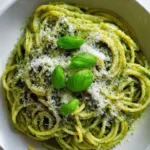
Spaghetti Pesto
- Total Time: 20 minutes
- Yield: 4 servings 1x
- Diet: Vegetarian
Description
A refreshing and bright spaghetti dish with a creamy basil pesto that is perfect for weeknight dinners or elegant gatherings.
Ingredients
- 12 ounces (340 g) spaghetti
- 2 cups fresh basil leaves, packed (about 60 g)
- 1/3 cup pine nuts (about 45 g), lightly toasted
- 2 cloves garlic, peeled
- 1/2 cup freshly grated Parmesan cheese (about 50 g)
- 1/2 cup extra virgin olive oil (120 ml)
- 1/2 teaspoon salt, plus more to taste
- Black pepper, to taste
- 1/4 cup reserved pasta water (from cooking the spaghetti)
Instructions
- Bring a large pot of salted water to a rolling boil. Add the spaghetti and cook until al dente (about 8–10 minutes). Reserve 1/4 cup of pasta water before draining.
- Toast pine nuts in a dry skillet over medium heat for 2–4 minutes until fragrant and golden.
- In a food processor, combine basil leaves, toasted pine nuts, garlic, and Parmesan. Pulse until finely chopped.
- With the processor running, slowly add olive oil until smooth. Season with salt and pepper.
- In a large bowl, combine the drained spaghetti and pesto, adding reserved pasta water as needed to achieve desired consistency.
- Let sit for a minute, then adjust seasoning and serve with extra Parmesan and fresh basil.
Notes
To make the dish vegan, replace Parmesan with nutritional yeast. Store leftovers in the fridge or freeze the pesto without pasta for up to 3 months.
- Prep Time: 10 minutes
- Cook Time: 10 minutes
- Category: Main Course
- Method: Cooking
- Cuisine: Italian
Nutrition
- Serving Size: 1 serving
- Calories: 670
- Sugar: 2g
- Sodium: 325mg
- Fat: 38g
- Saturated Fat: 7g
- Unsaturated Fat: 30g
- Trans Fat: 0g
- Carbohydrates: 62g
- Fiber: 3.5g
- Protein: 18g
- Cholesterol: 30mg