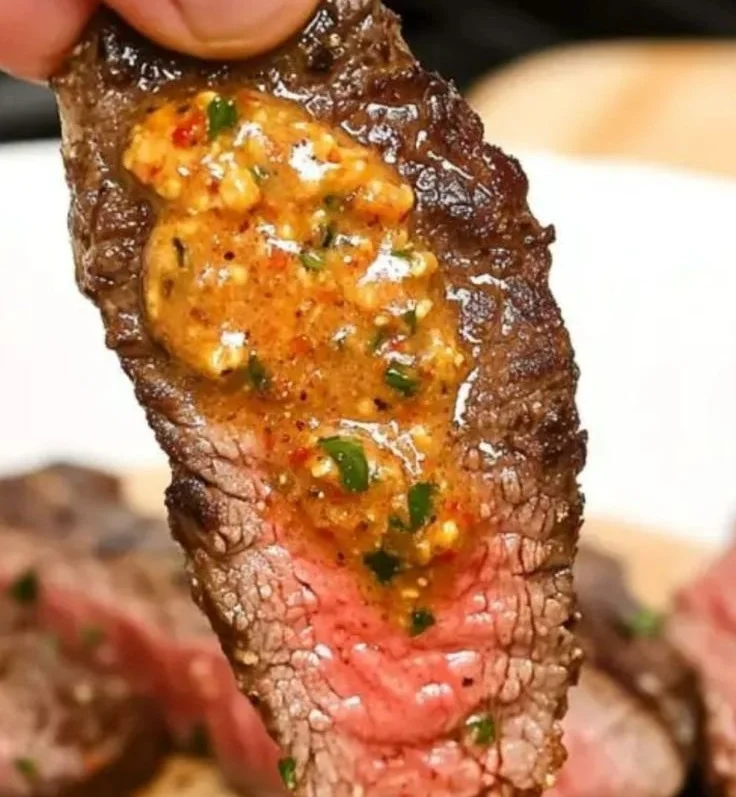
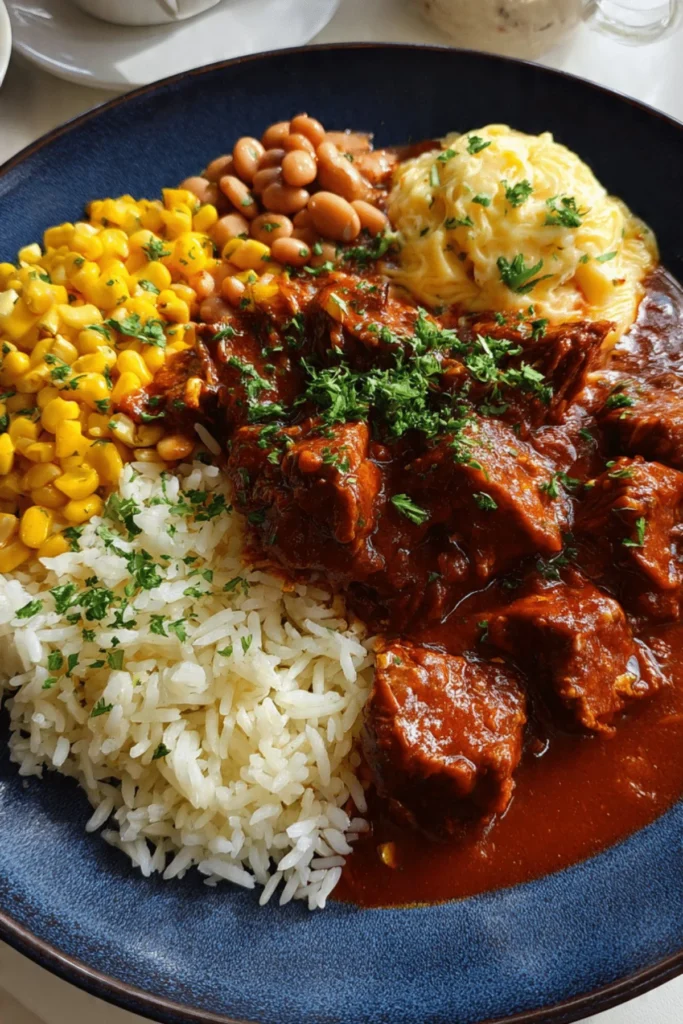
Chile Colorado with Rice & Beans Plate
Introduction
A steaming plate of Chile Colorado fills the kitchen with a warm, smoky perfume: toasted guajillo and ancho chiles, slow-simmered beef that gives way to fork-tender bites, and a bright garlic–onion backbone that hums beneath the red sauce. The first spoonful greets you with a velvet mouthfeel from the chile puree, a savory beef richness, and the comforting grain of white rice and creamy beans alongside—textures that alternate between silky, chewy, and pleasantly dense. It’s the kind of dish that feels like a hug from the inside out.
This recipe is perfect for chilly weeknight dinners, weekend gatherings, or any time you want a soulful, crowd-pleasing main. Make a big pot and watch it disappear at family meals, or pack leftovers for work lunches that actually make coworkers jealous. For another savory, slow-cooked breakfast or brunch idea to try on a relaxing morning, see baked feta eggs with tomatoes and spinach.
Dish Snapshot
- Prep Time: 25 minutes active (plus 15 minutes soaking chiles)
- Cook Time: 1 hour 45 minutes to 2 hours (simmering)
- Total Time: ~2 hours 30 minutes
- Servings: 6 generous portions
- Difficulty Level: Intermediate (basic blending and braising skills)
Nutrition Highlights
Nutrition estimates below are per serving (recipe yields 6 servings). These figures are approximate and calculated from standard USDA FoodData Central values for raw and cooked ingredients and cross-checked with public health guidance on portion sizes (USDA, Mayo Clinic). If you need precise tracking for medical reasons, use your preferred nutrition calculator with exact brands/weights.
Per serving (approx.):
- Calories: 660 kcal
- Protein: 50 g
- Carbohydrates: 35 g
- Fat: 35 g
- Fiber: 8–10 g
- Sodium: ~600–800 mg (varies with broth and added salt)
Notes: This plate is protein-forward thanks to the beef and beans; fiber is boosted by the beans and corn. To reduce sodium, use low-sodium beef broth and taste before adding salt. For general nutrition recommendations, see resources from the USDA and Mayo Clinic.
Why You’ll Love It
- Bold, layered flavor: Toasted guajillo and ancho chiles give a deep, fruity heat and color that simple tomato-based sauces can’t match.
- Comfort-food satisfaction: Tender braised beef plus rice and beans creates a balanced, filling plate—perfect for family-style dinners and potlucks.
- Make-ahead ease: Chile Colorado actually tastes better the next day as flavors meld—ideal for busy cooks who like to prep in advance.
- Cultural comfort: This dish carries the flavors of traditional New Mexican and Mexican-American kitchens and can connect you to memories of home-cooked warmth.
How to Make Chile Colorado with Rice & Beans Plate
Ingredients
- 2 pounds beef chuck roast, cut into 1½-inch cubes
- 4 dried guajillo chiles, stemmed and seeded
- 2 dried ancho chiles, stemmed and seeded
- 4 garlic cloves
- 1 medium white onion, chopped (reserve half for blending, half for sautéing)
- 1 teaspoon ground cumin
- 1 teaspoon dried oregano
- 3 cups beef broth (use low-sodium if preferred)
- 1 teaspoon salt (adjust to taste)
- ½ teaspoon black pepper
- 1 cup pinto beans, cooked or canned (drained and rinsed if canned)
- 1 cup kidney beans, cooked or canned (drained and rinsed if canned)
- 2 cups cooked white rice
- 1 cup corn kernels, cooked (fresh or frozen)
- ½ cup shredded cheese (cheddar or Monterey Jack), for melting with the corn
- Drizzle of oil for browning (1–2 tablespoons)
Optional ingredients and substitutions
- Swap beef chuck for boneless short ribs or pork shoulder for different richness.
- For a lighter version, use skinless chicken thighs (adjust cook time).
- Use long-grain brown rice instead of white rice (longer cooking time).
- Add a splash of apple cider vinegar or a teaspoon of brown sugar to balance the chile sauce if needed.
- For dairy-free corn, omit the shredded cheese and finish with a squeeze of lime and cilantro.
Method & Process (step-by-step)
- Prepare chiles: Heat a dry skillet over medium heat. Toast the guajillo and ancho chiles 1–2 minutes per side until fragrant but not burned—watch closely. Remove, then soak the toasted chiles in hot water for 15 minutes until softened. Reserve soaking liquid.
- Brown the beef: Season the cubed beef with ½ teaspoon salt and ¼ teaspoon black pepper. Heat a Dutch oven over medium-high heat with a drizzle of oil. Brown the beef in batches (do not overcrowd) until well seared on all sides, about 4–5 minutes per batch. Set browned beef aside.
- Sauté aromatics: Reduce heat to medium. In the same pot, add chopped onion (the reserved half) and sauté 4–5 minutes until softened. Add garlic and cook 30–60 seconds until fragrant. Stir in cumin and oregano and toast briefly to bloom the spices.
- Blend the sauce: Drain chiles (reserve ½ cup of the soaking liquid), then place chiles, the sautéed onion/garlic mixture (you can include the softened onion you reserved for blending), and 1½ cups of the beef broth into a blender. Blend until very smooth. If it’s too thick, add a few tablespoons of reserved soaking liquid or broth. Strain the sauce through a fine sieve for a smoother texture (optional).
- Combine and braise: Return the browned beef to the Dutch oven. Pour the chile sauce over the beef and add the remaining 1½ cups beef broth. Season with remaining salt and pepper, bring to a simmer, then reduce heat to low, cover, and simmer gently for 1½ to 2 hours until the beef is fork-tender. Check at 90 minutes for doneness and adjust seasoning.
- Prepare sides: While the beef simmers, cook rice according to package directions. Warm the pinto and kidney beans gently in a saucepan until heated through. For the corn, mix kernels with the shredded cheese and heat in a small pan until the cheese melts and coats the corn.
- Finish and serve: Taste the Chile Colorado, adjust salt, and if the sauce tastes bitter or flat, a teaspoon of sugar or a splash of vinegar brightens it. Plate ⅓ cup (or desired portion) cooked rice, a scoop of warmed beans, cheesy corn, and a generous ladle of Chile Colorado on top or beside the rice.
Practical tips:
- Don’t rush browning—good fond equals deeper flavor.
- If sauce is too acidic, a pinch of baking soda (tiny pinch) or a touch of sugar will mellow it.
- Check beef tenderness with a fork—if it’s not easily shredding, continue simmering and add a bit more broth.
- Straining the sauce gives a velvety finish; keep it chunky if you prefer rustic texture.
Serving Suggestions
Best Pairings
- Classic: Serve with warm corn or flour tortillas, lime wedges, and chopped cilantro for a taco-style experience.
- On a plate: Offer a scoop of rice, pinto and kidney beans, cheesy corn, and a ladle of Chile Colorado—garnish with sliced radishes and pickled onions.
- Comfort additions: A dollop of crema or sour cream and sliced avocado balance the heat and add creaminess.
- For breakfast twist: Top scrambled eggs with a small portion of Chile Colorado for a spicy morning plate.
- Beverage pairings: A crisp Mexican lager, horchata, or a bright citrusy agua fresca complements the richness.
How to Store
Storage Instructions
- Room temperature: Do not leave perishable cooked Chile Colorado out at room temperature for more than 2 hours (follow CDC food safety guidance).
- Refrigeration: Store in airtight containers for up to 3–4 days. Keep rice and beans refrigerated separately if possible for best texture.
- Freezer: Freeze the Chile Colorado (sauce and beef) in freezer-safe containers for up to 2–3 months for best quality. Thaw overnight in the fridge and reheat gently on the stovetop.
- Reheating: Reheat on low heat, adding a splash of broth to loosen the sauce. Microwave in covered dish, stirring occasionally for even heat.
Expert Tips
Chef’s Advice
- Best cut for braise: Beef chuck (as listed) gives the ideal balance of connective tissue and fat that melts into silky sauce; avoid leaner cuts which can dry out.
- Toast chiles gently: Avoid burning them; burnt chiles will add acrid bitterness. Toast until they become fragrant and slightly pliable.
- Texture cues: Beef is ready when it shreds with a fork and the sauce has reduced to a spoon-coating consistency.
- Layering heat: For more heat without bitterness, add a smaller piece of a hot chile (like a serrano) to the sauce while simmering, then remove if you want less heat.
- Sauce thickness: If the sauce is too thin after braising, remove the meat and boil uncovered to reduce; too thick—add reserved broth by tablespoons.
Delicious Variations
Creative Twists
- Vegetarian/Vegan Chile Colorado: Swap beef for large chunks of roasted butternut squash or jackfruit and use vegetable broth. Replace cheese with vegan cheese or omit.
- Smoky pork shoulder version: Substitute beef chuck with pork shoulder for a slightly sweeter, more unctuous finish; cook similarly until pull-apart tender.
- Green chile twist: For a brighter plate, incorporate roasted poblano chiles and tomatillo puree to make a green chile version inspired by New Mexico green sauce.
- Lighter bowl: Use brown rice or cauliflower rice and reduce cheese; increase beans for extra fiber and plant protein.
Frequently Asked Questions
All Your Questions Answered
Q: Can I use canned chiles instead of dried?
A: You can, but dried guajillo and ancho provide deeper, toasted flavors. If using canned, taste and adjust seasoning since their flavor profile is different.
Q: How do I make the sauce less spicy?
A: Remove the seeds and veins from dried chiles (already in the recipe), and taste the blended sauce—add more broth or a touch of sugar/vinegar to balance heat. You can also mix in a little sour cream when serving.
Q: Can I pressure-cook this recipe?
A: Yes—brown the beef and follow steps to blend the sauce, then pressure-cook beef with sauce and broth for 45–60 minutes depending on your pressure cooker model (follow manufacturer instructions).
Q: What if my sauce tastes bitter after blending chiles?
A: Bitterness usually comes from over-toasting or scorched chiles. Balance with a small pinch of sugar, a splash of vinegar, or add a peeled potato while simmering (remove before serving).
Q: Any healthy swaps for lower-fat or lower-sodium options?
A: Use low-sodium broth, trim excess fat from beef, reduce added oil, and increase beans/veggies to keep the plate filling without as much fat or sodium.
Conclusion
Bring this Chile Colorado with Rice & Beans Plate to your table for a deeply satisfying, flavor-forward meal that’s great for sharing and for meal prep. If you want more context on traditional Chile Colorado flavor profiles, check out this overview at Chile Colorado – ¡HOLA! JALAPEÑO. For inspiration on how some restaurants plate combo plates and regional variations, see this example from Chile Colorado & Taco Combo Plate | Rosa Maria’s Fontana.
If you try the recipe, I’d love to hear how it turned out—share photos and notes so we can swap tweaks and serving ideas. And don’t forget to explore new sides or desserts to pair with it, like a fun snack or sweet bite after the meal: banana rice krispie treats.
Print
Chile Colorado with Rice & Beans Plate
- Total Time: 160 minutes
- Yield: 6 servings 1x
- Diet: Carnivore
Description
A warm, comforting dish featuring slow-simmered beef in a smoky chile sauce served with rice and beans.
Ingredients
- 2 pounds beef chuck roast, cut into 1½-inch cubes
- 4 dried guajillo chiles, stemmed and seeded
- 2 dried ancho chiles, stemmed and seeded
- 4 garlic cloves
- 1 medium white onion, chopped (reserve half for blending, half for sautéing)
- 1 teaspoon ground cumin
- 1 teaspoon dried oregano
- 3 cups beef broth (use low-sodium if preferred)
- 1 teaspoon salt (adjust to taste)
- ½ teaspoon black pepper
- 1 cup pinto beans, cooked or canned (drained and rinsed if canned)
- 1 cup kidney beans, cooked or canned (drained and rinsed if canned)
- 2 cups cooked white rice
- 1 cup corn kernels, cooked (fresh or frozen)
- ½ cup shredded cheese (cheddar or Monterey Jack), for melting with the corn
- Drizzle of oil for browning (1–2 tablespoons)
Instructions
- Toast the guajillo and ancho chiles in a dry skillet over medium heat for 1–2 minutes per side until fragrant, then soak in hot water for 15 minutes.
- Season the cubed beef with ½ teaspoon salt and ¼ teaspoon black pepper. Brown the beef in batches in a Dutch oven over medium-high heat with a drizzle of oil, about 4–5 minutes per batch, then set aside.
- Sauté the chopped onion in the same pot for 4–5 minutes until softened, add garlic and cook until fragrant. Stir in cumin and oregano to bloom the spices.
- Blend the chiles, sautéed onion/garlic mixture, and 1½ cups beef broth in a blender until smooth. Strain through a fine sieve if desired.
- Return the browned beef to the pot, pour in the chile sauce and remaining beef broth, season with salt and pepper, bring to a simmer, cover, and simmer for 1½ to 2 hours until fork-tender.
- Meanwhile, cook rice according to package directions and warm the pinto and kidney beans.
- Mix corn with cheese and heat until the cheese melts.
- To serve, plate portions of rice, beans, cheesy corn, and a ladle of Chile Colorado on top.
Notes
For lower sodium, use low-sodium beef broth. This dish tastes better the next day as flavors meld together.
- Prep Time: 40 minutes
- Cook Time: 120 minutes
- Category: Main Course
- Method: Braising
- Cuisine: Mexican
Nutrition
- Serving Size: 1 serving
- Calories: 660
- Sugar: 3g
- Sodium: 700mg
- Fat: 35g
- Saturated Fat: 15g
- Unsaturated Fat: 20g
- Trans Fat: 0g
- Carbohydrates: 35g
- Fiber: 9g
- Protein: 50g
- Cholesterol: 125mg