Zgougou Pudding
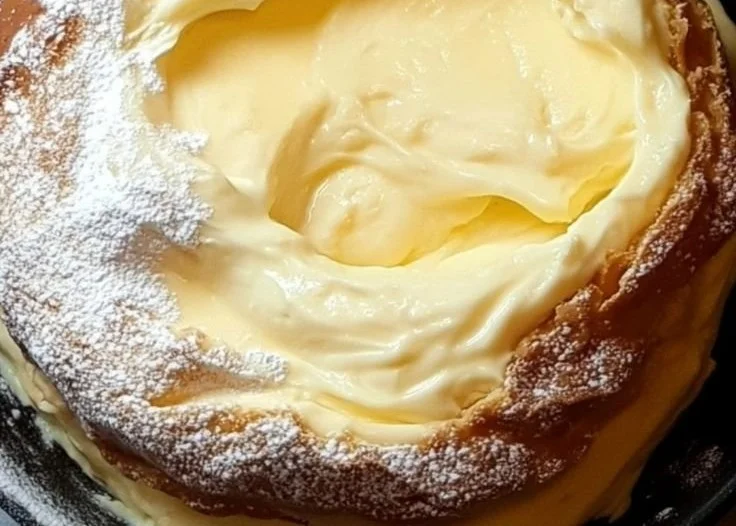
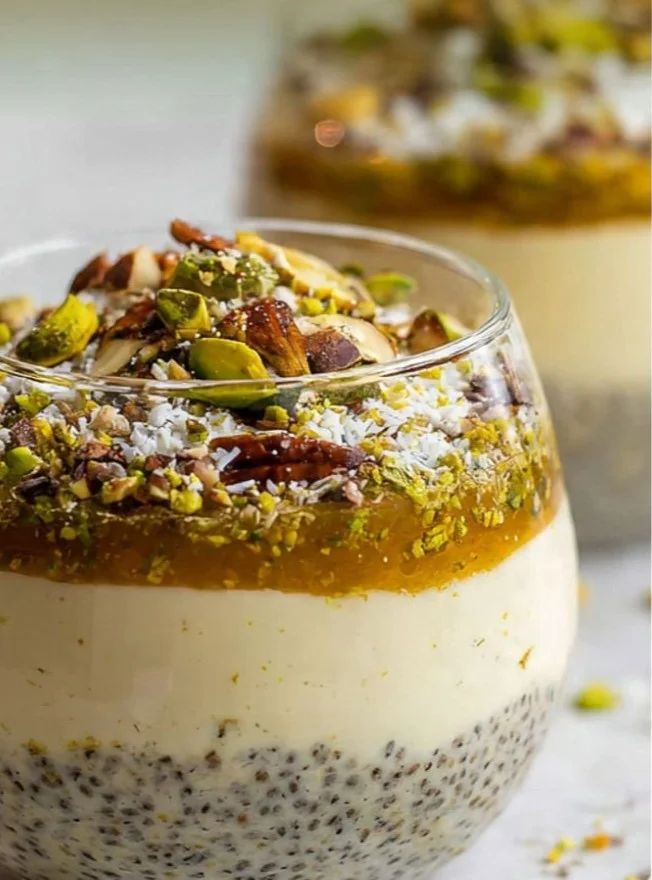
There’s a small, irresistible hush the moment you lift the lid of a chilled zgougou pudding: the scent of toasted nuts mingles with a delicate, floral vanilla, and beneath that glossy surface hides a luxuriously creamy custard swirled with the unique, resinous aroma of Aleppo pine seeds. Each spoonful is a contrast of silk and crunch — velvet-smooth custard, flecks of nutty paste, and the final spark of pistachio and almond top notes. It’s a dessert that feels both rooted in tradition and wonderfully approachable.
This pudding is perfect for festive gatherings, family celebrations, or when you want to offer something distinctly regional and memorable. It’s also a lovely centerpiece for slow weekend mornings or as a make-ahead treat for dinner parties — prepare it the day before and let the flavors knit together in the fridge.
At a Glance
- Prep Time: 20 minutes (plus time to cool)
- Cook Time: 20–25 minutes
- Total Time: 45–60 minutes (including chilling)
- Servings: 6
- Difficulty Level: Moderate — requires some hands-on work making the pine seed paste and careful thickening of the custard
Nutrition Highlights
Nutrition estimates per serving (based on 6 servings). Values are approximate and calculated using USDA FoodData Central entries for pine nuts, whole milk, granulated sugar, and cornstarch; actual values will vary with exact brands and portion sizes.
- Calories: ~520 kcal
- Protein: ~12 g
- Carbohydrates: ~47 g
- Sugars: ~25 g
- Starch/other carbs from milk and cornstarch included
- Fat: ~33 g
- Saturated fat: ~12 g (from whole milk and nuts)
- Fiber: ~2 g
- Sodium: ~75 mg
Notes on nutrition: This pudding is energy-dense because of pine seeds (pine nuts) and the added nuts used for topping. Pine nuts deliver heart-healthy monounsaturated fats and vitamin E, while milk supplies protein and calcium. For adjustments (lower-calorie or lower-fat versions), see the variations section below. Nutritional references: USDA FoodData Central; for general food-safety refrigeration guidance, see USDA recommendations.
Why You’ll Love It
- Unique, nostalgic flavor: The Aleppo pine seed paste gives zgougou its identifier — a resinous, slightly sweet, nutty aroma unlike other puddings.
- Textural contrast: The base custard is silky, while the nut topping adds a delightful crunch.
- Social and seasonal: A traditional dessert in parts of North Africa, zgougou has strong ties to celebration — making it an excellent conversation-starter at holidays or family gatherings.
- Make-ahead convenience: It sets in the refrigerator and actually improves when rested, so you can prepare it a day ahead and free up time on the day of serving.
How to Make Zgougou Pudding
Ingredients (for 6 servings)
- 200 g Aleppo pine seeds (zgougou kernels; if unavailable, use raw pine nuts)
- 500 ml water (for blanching/boiling the seeds and making the paste)
- 1,000 ml (1 L) whole milk
- 150 g granulated sugar
- 50 g cornstarch (about 6 tbsp), sifted
- 1 tsp (5 ml) pure vanilla extract
- 60 g mixed toasted nuts (almonds and pistachios), roughly chopped, for garnish
Optional ingredients and substitutions: - 1 tsp rose water or orange blossom water (optional, for fragrant lift)
- For a lighter version: use 2% milk or a mix of milk and unsweetened almond milk (texture will be slightly less rich)
- Vegan option: substitute milk with unsweetened almond or coconut milk and replace cornstarch with a mixture of cornstarch + agar (see variations)
- A pinch of ground cinnamon or crushed cardamom for sprinkling
Method & Process
-
In a pot, boil water and add Aleppo pine seeds to make a paste.
- Place the 200 g pine seeds in the 500 ml water. Simmer for 10–15 minutes until seeds are very soft. Drain, reserve a little of the cooking liquid, then blend or process the softened seeds into a smooth paste. If needed, add 1–2 tbsp of the reserved liquid to help achieve a spreadable consistency.
-
In another pot, heat milk and sugar until dissolved.
- Combine the milk and sugar over medium heat. Stir gently until the sugar fully dissolves and the mixture is warm but not boiling.
-
Stir in cornstarch and cook until thickened.
- In a small bowl, whisk the cornstarch with 60–80 ml cold milk (or water) to make a smooth slurry. Slowly pour the slurry into the warm milk while whisking continuously. Continue to cook over medium-low, whisking, until the mixture thickens to a custard-like consistency (about 5–8 minutes). Do not let it boil vigorously — a gentle simmer is best.
-
Add vanilla extract and mix well.
- Remove from heat, stir in vanilla extract and (optionally) rose or orange blossom water. Taste and adjust sweetness if needed.
-
Layer the nutty base with vanilla custard in a serving dish.
- Spread half of the zgougou (pine seed) paste as a base layer in an ache or a shallow serving dish or individual cups. Pour the warm custard over the paste, smoothing the top. Alternatively, you can swirl the paste into the custard for a marbled effect. Repeat with layers if using multiple portions.
-
Top with toasted nuts for garnish.
- Scatter the toasted almonds and pistachios over the chilled surface. Optionally, sprinkle a little ground cinnamon or extra crushed seeds for texture and color.
-
Chill in the refrigerator before serving.
- Cover and chill at least 2–4 hours, preferably overnight, so the pudding fully sets and the flavors meld.
Practical tips:
- To prevent lumps, always make a cornstarch slurry in cold liquid before adding it to the warm milk.
- Whisk continuously as the custard thickens to avoid scorching on the bottom.
- If the pine paste is too coarse, press it through a fine sieve after blending for an extra-smooth texture.
- Don’t overcook once thickened; cornstarch continues to thicken as it cools.
Serving Suggestions
- Serve it plain in shallow bowls to showcase the glossy surface and nutty garnish.
- Drizzle a teaspoon of honey or date syrup on top for extra depth and sweetness.
- Pair with strong Turkish coffee, mint tea, or an orange blossom tea to balance the richness.
- Serve as a plated dessert with a small scoop of plain yogurt or vanilla ice cream for contrast.
- For breakfast-style enjoyment, spoon over toasted brioche or serve alongside warm flatbread and a pot of black tea.
How to Store
- Room temperature: Not recommended for prolonged storage. Per USDA food-safety guidance, dairy-based puddings should not sit at room temperature for more than 2 hours.
- Refrigeration: Store covered in an airtight container for 3–4 days. Place a piece of plastic wrap directly on the surface to prevent formation of a skin.
- Freezer: Freezing is possible but not ideal—store for up to 1 month in an airtight, freezer-safe container. Thaw in the refrigerator; expect some texture change (syneresis or slight separation). Re-whisk lightly before serving or serve with a textured topping to mask changes.
Chef’s Advice
- Use fresh pine seeds: The flavor of zgougou depends on the freshness of the Aleppo pine seeds. If you can, source recently shelled kernels or high-quality pine nuts and store them refrigerated.
- Toast nuts lightly: Warm the almonds/pistachios in a dry pan for 2–3 minutes over medium heat until aromatic — this intensifies flavor but don’t burn them.
- Control the heat: Custard thickening is a gentle process — maintain medium-low heat and constant whisking to avoid lumps and a scorched bottom.
- Texture cues: The custard should coat the back of a spoon and hold a line when you run your finger through it. If it’s too thin, simmer a little longer while whisking; if too thick, whisk in a tablespoon or two of milk to loosen.
- Make it ahead: The pudding improves after a few hours in the fridge, as flavors meld and the surface firms for cleaner slices or scoops.
Creative Twists
- Vegan zgougou: Use full-bodied canned coconut milk (or a blend of almond and oat milk) and replace cornstarch with a double quantity of arrowroot or a mix of cornstarch + 1 tsp agar powder (dissolved per package instructions) to help set. Use maple syrup instead of granulated sugar for added depth.
- Rose-cardamom version: Stir 1 tsp rose water into the custard and finish with a pinch of ground cardamom for a perfumed, Middle Eastern-inspired variant.
- Chocolate-marble: Stir 1–2 tbsp unsweetened cocoa powder into half of the custard, then marble with plain custard and the pine paste for a striking look and chocolate lift.
- Deconstructed parfaits: Layer small glasses with pine paste, custard, crumbled biscotti or toasted semolina cake (basbousa), and finish with pistachio and rose petals for an elegant presentation.
Frequently Asked Questions
Q: Can I use store-bought pine nut paste instead of making it?
A: Yes — if you have a commercially prepared zgougou or pine-paste, you can use it, but taste and adjust sweetness because commercial pastes vary in intensity.
Q: My custard is lumpy — how can I fix it?
A: Strain the custard through a fine-mesh sieve into a clean saucepan and gently reheat while whisking, then cool. Prevent lumps by making a cold slurry of cornstarch before adding and whisking constantly as you add it.
Q: Is zgougou gluten-free?
A: Yes, the basic recipe (pine seeds, milk, sugar, cornstarch, nuts) is naturally gluten-free. Check any additional toppings (e.g., cookies or biscuits) if you need a strict gluten-free dessert.
Q: How can I make this less sweet?
A: Reduce sugar by 20–30% and taste as you go. The pine paste and nuts add natural richness, so you can often cut sweetness without losing overall balance.
Conclusion
Zgougou pudding is a comforting, elegant dessert that brings together creamy custard, the singular aroma of Aleppo pine seeds, and crunchy nuts — perfect for celebrations or quiet weekend indulgence. If you want to learn more about the cultural background of this dish, see the overview of Assidat zgougou on Assidat zgougou – Wikipedia. For another practical recipe and variations to explore, check out the detailed rendition at Assida Zgougou – Treats Homemade.
If you try this recipe, I’d love to hear how it turned out — share your photos and any personal twists in the comments or on social media so we can celebrate every spoonful together.
Print
Zgougou Pudding
- Total Time: 60 minutes
- Yield: 6 servings 1x
- Diet: Vegetarian
Description
Zgougou pudding is a rich and creamy dessert made with Aleppo pine seeds, offering a nostalgic flavor and delightful textural contrast with silky custard and nutty topping.
Ingredients
- 200 g Aleppo pine seeds (zgougou kernels; or raw pine nuts)
- 500 ml water (for blanching/boiling the seeds)
- 1,000 ml whole milk
- 150 g granulated sugar
- 50 g cornstarch (about 6 tbsp), sifted
- 1 tsp (5 ml) pure vanilla extract
- 60 g mixed toasted nuts (almonds and pistachios), roughly chopped, for garnish
- 1 tsp rose water or orange blossom water (optional)
- A pinch of ground cinnamon or crushed cardamom for sprinkling (optional)
Instructions
- In a pot, boil water and add Aleppo pine seeds to make a paste. Simmer for 10–15 minutes until very soft, then drain and blend into a smooth paste.
- In another pot, heat the milk and sugar over medium heat until the sugar is dissolved and the mixture is warm.
- In a small bowl, whisk the cornstarch with cold milk to create a slurry, then slowly pour into the warm milk while whisking continuously until thickened (about 5–8 minutes).
- Remove from heat and stir in the vanilla extract and optional flavorings.
- Layer the pine seed paste and custard in a serving dish, smoothing the top.
- Sprinkle chopped nuts and optional spices on top.
- Cover and refrigerate for at least 2–4 hours, preferably overnight, for flavors to meld and pudding to set.
Notes
For a lighter version, use 2% milk or a mix of milk and almond milk. Vegan options available with nut milk and agar instead of cornstarch.
- Prep Time: 20 minutes
- Cook Time: 25 minutes
- Category: Dessert
- Method: Chilling
- Cuisine: North African
Nutrition
- Serving Size: 1 serving
- Calories: 520
- Sugar: 25g
- Sodium: 75mg
- Fat: 33g
- Saturated Fat: 12g
- Trans Fat: 0g
- Carbohydrates: 47g
- Fiber: 2g
- Protein: 12g