Introduction
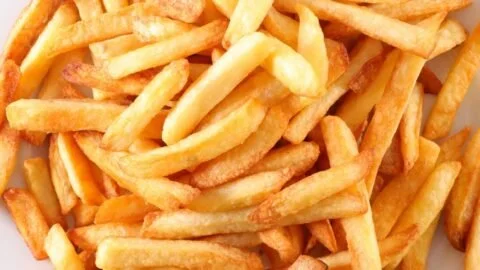
Imagine the scent of warm potatoes and hot oil filling your kitchen—the first inhale is a promise: crisp exterior, fluffy heart, and that irresistible golden color that crunches with a confident snap. Gordon Ramsay’s Crispy French Fries are exactly that: an orchestra of texture and aroma that instantly lifts a simple meal into comfort-food territory. Each bite gives you a contrast of crackle and soft, steaming potato inside, with a lightly salted finish that invites you back for another.
This recipe shines at backyard gatherings, game nights, lazy weekend lunches, or as a nostalgic treat on rainy evenings. They’re also perfect for making ahead in a multi-step service (par-fry, cool, re-fry when guests arrive) or for elevating a weekday burger into something special. If you’ve ever wondered whether homemade fries can outshine restaurant fries, this method will show you how—if you want a slightly easier baseline technique first, check this helpful guide to simpler fry methods that save time without sacrificing crunch.
At a Glance
- Prep Time: 30 minutes active + 30+ minutes resting/cooling time
- Cook Time: 2 rounds of frying (about 5 minutes per batch total), plus blanch simmering time (~10 minutes)
- Total Time: Approximately 1 hour (including resting/cooling between fries)
- Servings: 4 (as a side)
- Difficulty Level: Intermediate (requires temperature control and timing)
Nutritional Breakdown
Estimated nutrition per serving (1/4 of recipe). These are approximate values calculated using USDA nutrition values for russet potatoes and vegetable oil and represent typical absorption during deep frying—actuals vary with oil absorption and finishing salt. For general dietary context and guidance, reputable sources such as the USDA and Mayo Clinic recommend monitoring portion sizes for fried foods and limiting sodium when possible.
- Calories: ~415 kcal
- Protein: ~5 g
- Carbohydrates: ~44 g
- Fat: ~25 g (mostly unsaturated from vegetable oil)
- Saturated Fat: ~3 g
- Fiber: ~4 g
- Sodium: variable — estimate ~300–700 mg depending on finishing salt
Notes: These figures are estimates. The potato contribution is calculated from raw potato values (USDA FoodData Central), and added calories/fat reflect a conservative estimate of about 100 g oil absorbed by the batch. If you’re tracking nutrients precisely, weigh your cooked yield and use a food database for the final calculation. For guidance on daily limits for sodium and saturated fat, refer to Mayo Clinic recommendations.
Why You’ll Love It
- The irresistible taste and texture: double-frying (blanch then crisp) creates fries that are pillow-soft inside and glass-like crispy outside—comfort and craftsmanship in one bite.
- Crowd-pleasing social food: fries are communal, familiar, and endlessly adaptable—easy to batch-cook for friends and family.
- Control and customization: unlike frozen or fast-food fries, you can choose potato variety, oil, and seasoning to match dietary preferences or flavor experiments.
- A ritual for the senses: the process—cutting, blanching, drying, first fry, cooling, second fry—turns cooking into a mindful, rewarding activity.
How to Make Gordon Ramsay’s Crispy French Fries Recipe
Ingredients
- 1 kg floury potatoes (Russet, Maris Piper, or Sebago)
- 2 tablespoons white vinegar
- 1 tablespoon kosher salt (for the blanching water)
- 1 liter canola or vegetable oil (for frying) — adjust quantity for your frying vessel
- Finishing salt (to taste): fine sea salt, kosher salt, or flavored salts like rosemary salt, shaker fries seasoning, or nori salt
Optional ingredients and substitutions
- Olive oil: not recommended for deep-frying (lower smoke point); use vegetable/canola for best results.
- Air-fryer option: you can adapt by par-boiling and then air-frying with a light spray of oil (results will differ; crispness is less intense).
- Seasonings: smoked paprika, garlic powder, truffle salt, or grated parmesan for finishing.
Method & Process
- Prep Potatoes: Peel and cut potatoes into thin 6 mm fries. Submerge them immediately in cold water to prevent browning and to remove excess surface starch. Rinse a couple of times until water runs clearer.
- Boil: Drain the cut fries and place them in a pot with about 2 liters of cold water, the 2 tablespoons white vinegar, and 1 tablespoon kosher salt. Bring to a boil, then reduce to a simmer and cook for 10 minutes until just tender (they should be cooked through but not falling apart).
- Dry: Carefully drain the boiled fries and spread them in a single layer on tea towel–lined trays. Let them steam dry for at least 5 minutes until no surface moisture remains—this is crucial to prevent oil sputter and to get crispness.
- First Fry: Heat about 3 cm of oil in a deep pan to 205°C (400°F). Fry the dried fries in small batches for 50–60 seconds. They will be pale and soft. Drain on paper towels and let them cool (and steam) for a minimum of 30 minutes—cooling is the secret to the double-fry method.
- Second Fry: Reheat the oil to 205°C (400°F). Fry the cooled fries again, also in batches, for about 4 minutes until they are deeply golden and crispy. Remove with a slotted spoon and drain on a wire rack or paper towels.
- Season: Remove from the oil and immediately toss with salt or your seasoning of choice while still hot so the seasoning adheres. Serve hot for the best texture.
Practical tips
- Use a thermometer: consistent oil temperature is essential—too cool = greasy fries, too hot = burnt exterior before interior cooks.
- Small batches: avoid crowding the fryer; it drops oil temperature and prevents crisping.
- Dry thoroughly: surface moisture = steam pockets that weaken crust. Patting and air-drying are non-negotiable.
- Save the first-fry step: you can par-cook and freeze after the first fry for quick re-frying later.
Serve It Up
- Classic: Serve hot with ketchup and a sprinkle of flaky sea salt.
- Elevated: Toss with finely grated parmesan and chopped fresh parsley.
- Dipping board: offer garlic aioli, sriracha mayo, truffle mayo, and malt vinegar on the side.
- Comfort combo: place under a juicy burger or alongside fish for classic fish-and-chips-style comfort.
- Brunch twist: serve with eggs and a light herb butter for a savory morning treat.
For inspiration pairing these fries with a variety of appetizer-style plates and dips, consider browsing this collection of best appetizer recipes to build a shareable spread.
Storing Leftovers
- Room temperature: Best to eat within a few hours; fries lose crispness quickly. Not recommended to leave at room temp beyond 2 hours for food safety.
- Refrigeration: Store cooled fries in an airtight container for up to 3 days. Re-crisp in a hot oven (220°C / 425°F) on a wire rack for 6–10 minutes.
- Freezer: After the first fry and cooling, freeze in a single layer on a tray, then transfer to a sealed bag for up to 3 months. Re-fry or oven-finish from frozen for best results.
Chef’s Advice
- Best potato types: use floury/starchy potatoes like Russet, Maris Piper, or Sebago for the ideal interior fluff. Waxy potatoes will be denser and less fluffy.
- Texture cues: on first fry, look for a pale, slightly soft structure; the second fry is when you go for a deep golden color and audible crisp.
- Oil selection: neutral oils with high smoke points (canola, vegetable, sunflower) give clean flavor and safe frying temperatures.
- Salt timing: season immediately after the final fry so salt adheres while the fries are hottest.
Fun Flavor Ideas
- Truffle & Parmesan: toss fries with truffle oil (lightly) and grated parmesan, finish with parsley.
- Smoky BBQ: toss with smoked paprika, a pinch of garlic powder, and a little cayenne for heat.
- Seaweed Furikake: sprinkle nori salt or furikake for an umami-forward twist.
- Herb & Lemon: zest lemon over hot fries and sprinkle chopped rosemary for a bright finish.
- Vegan “cheese” dust: use nutritional yeast, smoked paprika, and garlic powder for a cheesy-nutty coating.
Recipe Q&A
Q: Can I skip the vinegar in the blanching water?
A: Vinegar helps the exterior set slightly and can improve texture; you can omit it, but results may vary slightly.
Q: My fries turned limp—what went wrong?
A: Likely too much moisture, crowded batches, or oil temperature drop. Dry thoroughly, fry in small batches, and monitor temp.
Q: How can I make these lower calorie?
A: Try oven-roasting or air-frying after the blanch stage; you’ll reduce oil but accept a slightly different texture.
Q: Can I double the recipe for a party?
A: Yes—work in multiple small batches, keep finished fries warm in a 90–100°C oven on a wire rack to preserve crispness until service.
Q: Is it safe to reuse frying oil?
A: Yes, if strained and stored properly; use within a few frying sessions and discard if it smells rancid or has excessive foaming.
Conclusion
Ready to turn ordinary potatoes into something spectacular? Give Gordon Ramsay’s double-fry technique a go and share your results—there’s a real joy in perfecting the crackle and the golden color. For additional background on frying techniques and variations that complement this method, you can read a concise guide to making fries at home on MasterClass’s French fries recipe guide and learn more about Ramsay’s specific approach at this detailed write-up of Gordon Ramsay’s Crispy French Fries Recipe (Foolproof Method). Enjoy, and happy frying—then come back and tell the community how they turned out!