
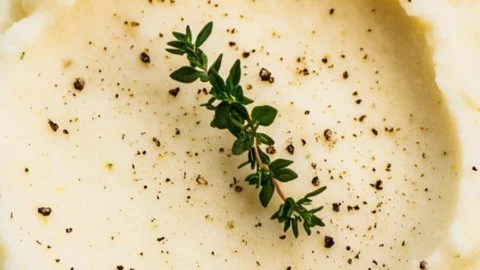
Gordon Ramsay Cauliflower Puree Recipe
Introduction
There’s something quietly luxurious about a bowl of cauliflower purée — the soft, whispery texture that melts on the tongue, the gentle, sweet aroma of cooked cauliflower warmed by the richness of butter, and the faint herbal lift from fresh thyme. The first spoon feels like a small comfort: warm, silky, and perfectly seasoned. This version, inspired by Gordon Ramsay, takes humble cauliflower and transforms it into a velvety, elegant side that can anchor a weeknight roast or elevate a celebratory plate.
Serve it alongside roast fish or braised meat for an elegant dinner, spoon it under seared scallops for a restaurant-style course, or keep it on hand as a quick, cozy side for chilly evenings. If you enjoy thoughtfully prepared sides from Gordon Ramsay’s repertoire, you might also like Gordon Ramsay’s crispy fries — another simple recipe that delivers big flavor.
At a Glance
- Prep Time: 10 minutes (mostly chopping and bringing broth to a boil)
- Cook Time: 20 minutes (steaming cauliflower until fork-tender)
- Total Time: 30 minutes
- Servings: 4 generous side-dish portions
- Difficulty Level: Easy — technique-forward but very forgiving
Nutrition Highlights
Estimated nutrition per serving (recipe yields 4 servings). Values are calculated using USDA FoodData Central entries for raw cauliflower, unsalted butter, and low-sodium chicken broth and are rounded to reasonable precision for home cooks.
- Calories: ~138 kcal
- Protein: ~4.9 g
- Carbohydrates: ~11.7 g
- Fat: ~9.4 g
- Fiber: ~4.5 g
- Sodium: variable — depends on added salt and broth choice (use low-sodium broth to control intake)
Notes: These figures are estimates based on standard ingredient databases (USDA FoodData Central). If you need precise nutrition for medical reasons, weigh your exact ingredients and consult a registered dietitian or a detailed nutrient calculator. For general health guidance on saturated fat and sodium intake, refer to recommendations from government health resources such as the USDA and the CDC.
Why You’ll Love It
This purée checks many boxes: it’s irresistibly smooth, subtly sweet, and richly buttery without feeling heavy. It’s the kind of side that brings comfort and elegance simultaneously — perfect for intimate dinners, holiday spreads, or simply turning a plain weeknight meal into something memorable. The recipe is quick enough for busy cooks, health-forward enough to fit many diets (see variations below), and versatile enough to pair with seafood, poultry, or roasted vegetables. The texture and flavor invite lingering conversation and second helpings — exactly what you want when creating food memories with family and friends.
How to Make Gordon Ramsay Cauliflower Puree Recipe
Ingredients
- 900 g cauliflower (florets only)
- 240 ml chicken broth (low-sodium)
- 5 g salt, plus more to taste
- 42 g unsalted butter, cubed
- 5 g fresh thyme, chopped
- Black pepper, to taste
Optional ingredients / substitutions:
- For a vegan version: replace butter with 42 g vegan butter or 40–50 ml extra-virgin olive oil. Use vegetable broth instead of chicken broth.
- For a dairy-forward, richer purée: add 1–2 tbsp crème fraîche or heavy cream.
- Add a clove of roasted garlic for a deeper, savory profile.
- Use low-sodium broth and adjust salt to taste to control sodium.
Method, step-by-step
- Prepare ingredients: break the cauliflower into even-sized florets so they cook uniformly. Measure out broth, butter, and thyme.
- Bring chicken broth and the 5 g salt to a rolling boil in a wide pot over high heat. A wide pot helps submerge florets quickly and evenly.
- Add cauliflower florets to the pot. Reduce heat to low, cover the pot, and steam the florets gently for 20 minutes, or until they are fork-tender (a knife should pierce the thickest pieces easily).
- Tip: Don’t overcook until mushy; you want tender florets that still hold their shape slightly when picked up with a slotted spoon.
- Using a slotted spoon, transfer the cooked cauliflower into a food processor. Reserve the hot broth in the cooking pot.
- In the original pot with hot broth, whisk the cubed butter into 3 tablespoons (about 45 ml) of the hot broth until smooth and emulsified. This warms and slightly thickens the butter so it blends seamlessly.
- Tip: If you prefer a lighter texture, whisk in fewer butter cubes or substitute with warmed olive oil.
- Pour the butter-broth emulsion into the food processor with the cauliflower along with chopped thyme, a few grinds of black pepper, and salt to taste.
- Blend until completely smooth, stopping to scrape the sides as needed. If the purée is too thick, add warm reserved broth a tablespoon at a time until you reach the desired silkiness.
- Tip: Avoid over-blending for too long at high speed, which can make the purée gummy; blend just until silky.
- Taste and adjust seasoning. Serve warm.
Practical checks and tips:
- Doneness cue: fork-tender florets are the easiest way to know cauliflower is ready; they should collapse slightly when pressed.
- Texture adjustment: warm broth thins; cold liquid can cause the purée to congeal. Add liquid slowly.
- Emulsification: warming butter into broth first keeps fat from separating when blended.
Best Pairings
- Protein: seared scallops, roasted chicken breast, pan-fried cod, or a slow-braised short rib. For a complementary bold pairing, try it under roasted scallops and black pudding for a dramatic plate.
- Vegetables: roasted carrots and charred broccolini add color and texture contrast.
- Sauces: a drizzle of browned butter and capers or a spoonful of reduced red wine jus pairs beautifully.
- Casual pairings: spoon onto toast and top with sautéed mushrooms for an elevated snack.
- For hosting: use it as a base for composed plates — a small ring of purée, protein on top, a bright herb oil, and microgreens.
Keeping it Fresh
- Room temperature: Do not leave cauliflower purée at room temperature for more than 2 hours (per USDA food safety guidance).
- Refrigerator: Store in an airtight container for up to 3–4 days. Reheat gently on the stove over low heat with a splash of warm broth to revive texture.
- Freezer: Freeze in airtight containers or vacuum bags for up to 2 months. Thaw overnight in the refrigerator and reheat slowly, adding warm broth or butter as needed.
- Safety tip: When reheating, bring to at least 165°F (74°C) to ensure safe consumption.
Chef’s Advice
- Pick cauliflower heads that are firm, heavy for their size, and free of brown spots — fresher heads make sweeter purée.
- Cut florets to uniform size for even cooking.
- Use a wide pot with a tight lid to steam evenly; too-small pots crowd florets and produce uneven texture.
- If using a blender rather than a food processor, work in batches and pulse; blenders can overwork purées more quickly.
- Finish with a small pat of cold butter off the heat for shine and silk — it’s a subtle chef trick that lifts mouthfeel.
Delicious Variations
- Vegan & Herbaceous: Use vegetable broth and 42 g vegan butter or 2 tbsp olive oil, and fold in 1 tbsp chopped chives and 1 tsp lemon zest for brightness.
- Truffle & Mushroom: Fold in 1–2 tsp truffle oil after blending (or grated truffle if available) and top with sautéed wild mushrooms for a luxurious finish.
- Garlic & Parmesan: Roast one head of garlic until soft, add the roasted garlic to the purée, and stir in 2 tbsp finely grated Parmesan for umami depth (omit for vegetarian/vegan versions as appropriate).
- Low-Fat Option: Reduce butter to 1 tbsp and add 1–2 tbsp plain Greek yogurt (stirred in off heat) for creaminess with less fat.
Frequently Asked Questions
Q: Can I make this ahead of time?
A: Yes — make up to 24 hours ahead and refrigerate in an airtight container. Reheat gently, thinning with warm broth and stirring to restore silkiness.
Q: My purée is grainy/gummy — what went wrong?
A: Graininess often comes from undercooked cauliflower; gummy texture can come from over-blending or using very high-speed blending for too long. Cook to fork-tender and blend just until smooth, adding warm liquid gradually.
Q: How can I reduce sodium?
A: Use a low-sodium or no-sodium broth and omit the 5 g salt during cooking; then season sparingly to taste after blending. Fresh herbs and a squeeze of lemon can enhance flavor without extra salt.
Q: Is this suitable for low-carb diets?
A: Yes — cauliflower is low-carb compared with potato; check butter amounts for overall fat goals. Nutritional estimates above reflect moderate butter; you can reduce butter or use oil alternatives to suit macros.
Q: Can I use frozen cauliflower?
A: Yes — thaw and drain excess water, then steam briefly before blending. You may need less added broth.
Conclusion
This Gordon Ramsay–inspired cauliflower purée is a deceptively simple way to add richness and elegance to any meal. It’s quick, adaptable, and reliably delicious — a small recipe that makes a big impression. Try it alongside seared seafood or roasted meats, experiment with the variations, and share your results with friends and family.
For a restaurant-inspired pairing idea, take a look at Gordon Ramsay’s plated take on cauliflower purée with seafood in Roasted Scallops, Black Pudding & Cauliflower Purée. If you’re exploring other cauliflower-centered dishes from Gordon’s collection, this Cauliflower Salad recipe offers a bright, contrasting profile to the silky purée.
If you enjoyed this recipe, don’t forget to try pairing it with other Gordon-inspired sides and share your photos and tips — I’d love to hear how you serve it.