Bacon Brown Sugar Chicken Tenders
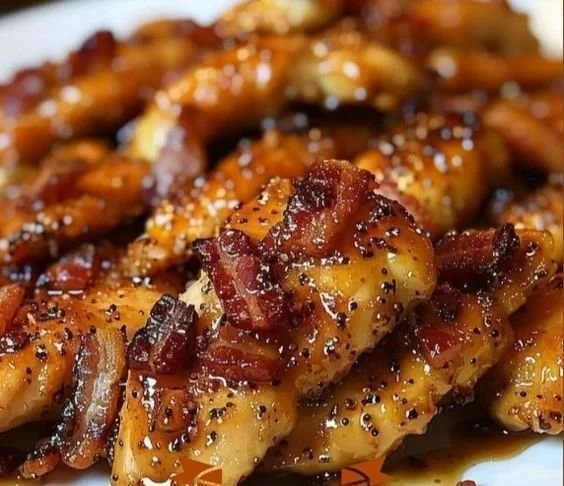
There’s something instantly comforting about the scent of bacon and brown sugar browning together: a warm, caramelized perfume that teases the taste buds and hints at the sweet-and-savory balance waiting on the plate. Each tender delivers a snap of crisp bacon, a glossy, molasses-kissed crust and a juicy chicken interior that pulls apart into tender ribbons. The contrast of textures — the crackle of bacon, the silky interior, the sticky-sweet coating — makes every bite addictive and deeply satisfying.
This recipe is perfect for busy weeknights when you want something that feels special without fuss, for game-day platters that disappear faster than you can refill the bowl, or as a cozy weekend brunch item that pairs beautifully with coffee and laughter. If you love dishes that pair bacon and chicken in a comforting casserole format, check out this complementary recipe for a creamy low-carb chicken casserole with broccoli and bacon for another cozy, bacon-forward option.
At a Glance
- Prep Time: 10 minutes (plus a few minutes to secure toothpicks)
- Cook Time: 20–25 minutes
- Total Time: 30–35 minutes
- Servings: 4 (about 3 tenders per person)
- Difficulty Level: Easy — ideal for cooks of all levels
Nutrition Highlights
Estimated nutrition per serving (recipe makes 4 servings). These values are approximate and calculated using ingredient nutrient profiles from the USDA FoodData Central; actual values will vary with brands, specific bacon cut, and portion sizes. For daily intake context, see CDC guidance on sodium and daily calorie needs.
Per serving (approximate):
- Calories: 451 kcal
- Protein: 44 g
- Total Carbohydrates: 27 g
- Sugars: ~27 g (mostly from brown sugar)
- Total Fat: 18 g
- Saturated Fat: ~4.9 g
- Sodium: ~780 mg
Notes:
- Protein comes primarily from the chicken and bacon, making this a protein-forward dish.
- Sugar content is driven by the brown sugar coating; reduce or replace with a sugar substitute to lower carbs and sugar.
- Sodium can be moderate to high due to bacon and added salt; the CDC advises limiting sodium to less than 2,300 mg per day for most adults. Adjust salt and bacon choice accordingly.
Why You’ll Love It
- Irresistible taste: The interplay of smoky, salty bacon and the warm molasses notes of brown sugar creates a craveable sweet-and-savory profile that’s universally appealing.
- Texture play: Crispy bacon exterior, slightly sticky sugar glaze, and moist chicken inside make each bite interesting.
- Crowd-pleaser & easy: Minimal prep and simple baking make these ideal for gatherings — they look fancy but require almost no hands-on time.
- Versatile: Serve as an appetizer, main, or party snack; easy to scale up or adapt for dietary preferences.
Step-by-Step Instructions
Ingredients:
- 1 pound chicken tenders (about 8–10 tenders)
- 8 slices bacon (regular or thick-cut; see tips)
- 1/2 cup packed brown sugar (about 110 g)
- 1 teaspoon garlic powder
- 1/2 teaspoon salt
- 1/2 teaspoon black pepper
- 1 tablespoon olive oil
Optional ingredients and substitutions:
- Use turkey bacon or center-cut bacon to reduce fat and sodium (note: texture and crispness will differ).
- Replace brown sugar with coconut sugar or a 1:1 sugar substitute (such as erythritol blend) to reduce carbs.
- Add a pinch of cayenne or smoked paprika to the sugar mix for heat and smoke.
- Swap olive oil for melted butter for a richer finish.
Directions:
- Preheat your oven to 400°F (200°C).
- In a bowl, mix the brown sugar, garlic powder, salt, and black pepper.
- Wrap each chicken tender with a slice of bacon and secure with a toothpick.
- Place the bacon-wrapped chicken tenders on a baking sheet and drizzle with olive oil.
- Sprinkle the brown sugar mixture over the chicken tenders.
- Bake in the preheated oven for 20–25 minutes or until the chicken is cooked through and the bacon is crispy.
- Serve hot and enjoy your delicious dish!
Practical tips:
- Pat chicken tenders dry first so the sugar and spices adhere better.
- Use toothpicks to keep bacon secure; soak toothpicks briefly in water to reduce burning risk.
- If the bacon is browning too quickly but the chicken isn’t done, tent loosely with foil and continue baking until internal temperature reaches 165°F (74°C). Use an instant-read thermometer for accuracy.
- For extra caramelization, broil 1–2 minutes at the end—watch closely to avoid burning.
Best Pairings
- Simple sides: Serve with a crisp green salad or roasted Brussels sprouts to balance richness.
- Comfort pairings: Mashed potatoes or creamy polenta make a hearty plate.
- Dipping options: Honey mustard, barbecue sauce, or a spicy aioli complement the sweet-savory tenders.
- Brunch idea: Pair with scrambled eggs and a hot mug of coffee or tea for a filling weekend meal.
- Snack/party platter: Arrange alongside pickles, cheddar cubes and crusty bread for a shareable board.
Shelf Life & Storage
- Room temperature: Leftovers should not be kept at room temperature for more than 2 hours (food safety guideline).
- Refrigeration: Store in an airtight container in the refrigerator for up to 3–4 days. Reheat in a 350°F (175°C) oven until warmed through to preserve crispiness.
- Freezer: Freeze cooked tenders in an airtight, freezer-safe container for up to 2 months. Thaw overnight in the refrigerator and reheat in the oven. Avoid microwaving if you want to keep the bacon crispy.
Chef’s Advice
- Choose bacon wisely: Thick-cut bacon gives more chew and renders more slowly; thin bacon crisps faster but may shrink more. For consistent wrapping use slices with similar widths.
- Balance the glaze: Press the brown sugar mixture onto the bacon/wrap gently to encourage adhesion—this minimizes loose sugar falling off and burning.
- Texture cues: The bacon should be crisp and the chicken interior read 165°F (74°C). If bacon is done before chicken, tent with foil and finish cooking; if chicken is done but bacon is too soft, broil briefly.
- Prevent burning: If using a sugar substitute, note that some melt differently and can burn faster—monitor closely during broiling.
Creative Twists
- Maple-Sriracha Glaze: Swap brown sugar for 1/4 cup maple syrup + 2 tbsp brown sugar and brush on before baking; add 1 tsp Sriracha to the sugar mix for heat.
- Low-Carb Version: Replace brown sugar with a granular erythritol or monk fruit blend and use center-cut bacon to lower carbs and total fat.
- Herb & Dijon: Mix 2 tbsp Dijon mustard into the olive oil and brush the tenders before sprinkling a lighter dusting of brown sugar for a tangy twist.
- Poultry Alternatives: Substitute chicken tenders with turkey tenderloins cut into strips. For a vegetarian approach, try wrapping thick slices of smoked tempeh in bacon-style coconut bacon (for vegan) — a different texture but similar flavor profile. And if you want crispier coating ideas or a lighter crunch, see this guide on crispy chicken tenders for techniques you can adapt.
Frequently Asked Questions
Q: Can I use pre-seasoned chicken or flavored bacon?
A: Yes, but reduce added salt in the rub or skip the extra 1/2 teaspoon of salt to avoid excess sodium.
Q: My bacon is shrinking and the tenders are exposed—what can I do?
A: Choose slightly wider bacon or secure it tightly with toothpicks. If shrinkage is still an issue, consider partially pre-cooking the bacon 1–2 minutes before wrapping so it clings better.
Q: How can I reduce sugar without losing flavor?
A: Use a blend of brown sugar substitute like erythritol with a small amount of real brown sugar (or molasses) to maintain that molasses note while cutting sugar.
Q: How do I reheat without drying the chicken?
A: Reheat gently in a 300–350°F (150–175°C) oven until warmed through; cover loosely with foil to retain moisture, crisp under broil briefly if needed.
Q: Is this recipe freezer-friendly?
A: Yes—freeze cooked tenders in a single layer on a tray until firm, then transfer to a freezer bag. Reheat from thawed for best texture.
Conclusion
These bacon brown sugar chicken tenders are a deceptively simple recipe that delivers maximum comfort and crowd-pleasing flavor. Try them for your next casual dinner, party platter, or weekend brunch — and don’t forget to share photos and tips if you give them a whirl. Join the conversation on the blog and tell us how you adapted the glaze or what dipping sauce became your favorite.