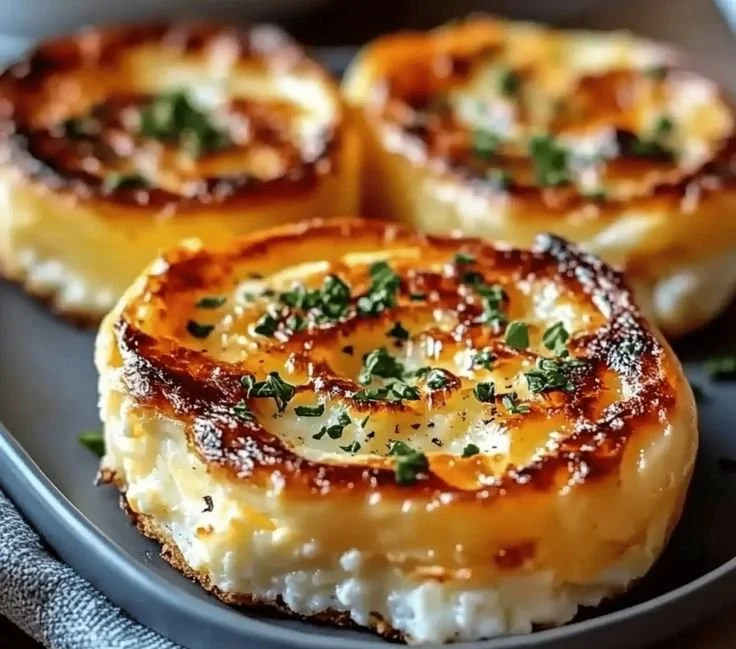

Baked Eggs Napoleon
Introduction
There’s a moment in the oven when butter, cream, and cheese meet—when a warm, golden pastry begins to breathe out a soft, nutty aroma and the kitchen fills with a promise of comfort. Baked Eggs Napoleon is that moment turned into a dish: flaky layers of puff pastry that crackle at the edges, a custardy, silky cream-and-egg center, and a gratin finish of melted Gruyère that pulls into long, savory strands. Each forkful gives you contrasts—crisp and tender, rich and bright, creamy and slightly tangy—so deceptively simple that it feels indulgent.
This recipe is perfect for slow weekend breakfasts when you want to linger over coffee, casual brunch gatherings when guests appreciate something showy but effortless, or even an elegant yet speedy dinner served with a green salad. If you love make-ahead convenience, note that the components are flexible and this dish reheats beautifully—an ideal anchor for festive mornings or cozy midweek comfort. For a higher-protein take that pairs well with this dish’s richness, try a companion baked-cottage-cheese eggs recipe that keeps things light and satisfying: baked cottage cheese eggs — a protein-packed breakfast.
At a Glance
- Prep Time: 10 minutes (plus optional cooling time)
- Cook Time: 25–30 minutes
- Total Time: 35–40 minutes
- Servings: 4 (one egg per person)
- Difficulty Level: Easy — great for home cooks with basic baking experience
Nutrition Highlights
Estimated nutrition per serving (one quarter of the recipe). These values are estimates calculated from USDA FoodData Central ingredient profiles; actual values vary by brand and portioning.
- Calories: ~750 kcal
- Protein: ~20 g
- Carbohydrates: ~34 g
- Fat: ~61 g
- Fiber: < 1 g
- Sodium: variable (depends on added salt and cheese)
Notes: The dish is rich in fat and calories because of the puff pastry, heavy cream, and cheese. To reduce calories and saturated fat, consider lower-fat dairy swaps (see Variations). For authoritative nutrient data and recommended daily values, consult government resources such as USDA FoodData Central and guidance from health organizations like the CDC.
Why You’ll Love It
- Irresistible contrasts: flaky pastry, soft set eggs, and a luscious, creamy base—each bite is textural theater.
- Effortless elegance: it looks plated-for-company with hardly any fuss—perfect when you want to impress but don’t want a long, complicated mise en place.
- Comfort with versatility: serve it for a cozy family breakfast, brunch with friends, or as the centerpiece of a casual supper paired with greens and a crisp white wine.
- Emotional draw: the aroma and melt-in-your-mouth richness invite relaxed conversation and nostalgia—this is the sort of dish that brings people to the table.
Step-by-Step Instructions
Ingredients
- 1 sheet puff pastry (about 250 g), thawed if frozen
- 4 large eggs
- 1 cup (240 ml) heavy cream
- 1 cup (about 100 g) grated Gruyère (or similar melting cheese)
- 1 tablespoon fresh herbs, chopped (chives, parsley, or tarragon)
- Salt and freshly ground black pepper to taste
- Butter (for greasing the baking dish; about 1 tablespoon)
Optional ingredients and substitutions:
- Cheese substitutes: Swiss, Comté, fontina, or sharp cheddar
- Dairy swaps to lighten: use half-and-half or whole milk mixed with 2 egg yolks (reduces richness)
- Gluten-free: use a store-bought gluten-free puff pastry sheet
- Herb alternatives: basil, thyme, or a pinch of smoked paprika for a flavor twist
Instructions
- Preheat the oven to 375°F (190°C).
- Roll out the puff pastry and line a greased baking dish with it.
- In a bowl, whisk together the heavy cream, salt, and pepper.
- Pour the cream mixture over the pastry in the baking dish.
- Crack the eggs gently over the creamy layer.
- Sprinkle the grated cheese and fresh herbs on top.
- Bake for 25–30 minutes, or until the eggs are set and the pastry is golden brown.
- Let cool slightly before serving.
Practical tips
- Docking the pastry: If your pastry sheet is thick, prick the base lightly with a fork in a few spots so steam can escape and the bottom cooks evenly.
- Even egg placement: Crack eggs into small cups first, then slide them into the dish to avoid breaking yolks and ensure even spacing.
- Doneness cues: The whites should be opaque and set around the yolk edges; a slightly wobbly yolk indicates a soft center—bake 1–2 minutes longer for firmer yolks.
- For a cleaner slice: Let the dish rest 5–10 minutes after baking to firm up so portions hold their shape.
- For another baked-egg approach that focuses on higher protein while keeping the assembly quick, see this alternate cottage-cheese egg bake for inspiration: baked cottage cheese eggs — protein-forward variation.
Best Pairings
- Simple sides: A peppery arugula salad with lemon vinaigrette or wilted spinach to cut through the richness.
- Bread & spreads: Crusty baguette slices or toasted sourdough with a smear of herbed butter.
- Beverages: Robust coffee or an herbal tea for breakfast; a crisp dry white wine (Chablis, unoaked Chardonnay) or sparkling wine for brunch.
- Serving idea: Spoon a little tangy-smoked salmon or a dollop of spicy tomato jam beside each portion for an elevated pairing.
Storing Leftovers
- Room temperature: Not recommended to leave out more than 2 hours due to the egg and dairy content.
- Refrigeration: Store in an airtight container for 3–4 days. Reheat gently in a 325°F (160°C) oven for 8–10 minutes or until warmed through to preserve pastry texture.
- Freezer: The assembled dish will suffer in texture if frozen whole; you can freeze individual baked portions wrapped tightly for up to 1 month. Thaw overnight in the refrigerator and re-crisp in a hot oven (375°F/190°C) for 8–12 minutes.
Chef’s Advice
- Cheese choice matters: choose cheeses with good melt and flavor—Gruyère or Comté bring nutty depth; a milder Swiss or fontina will be creamier and less intense.
- Custard balance: too much cream can over-lift the center and prevent the pastry from supporting the filling; stick to the ratio provided or reduce cream slightly if your pastry is thin.
- Even baking: if the pastry browns too quickly, tent the dish loosely with foil after 15–20 minutes to prevent over-browning while the eggs finish setting.
- Texture cue: When the top is golden and the whites are set but yolks still give slightly to gentle pressure, you’ve reached the ideal custardy finish.
Creative Twists
- Veggie-forward: Layer roasted cherry tomatoes, sautéed mushrooms, or caramelized leeks beneath the eggs for extra flavor and texture.
- Lighter version: Replace heavy cream with a mixture of 3/4 cup low-fat cottage cheese (blended until smooth) and 1/4 cup milk for a protein-forward, lower-fat custard.
- Vegan option: Use vegan puff pastry, a silken-tahini or cashew cream base, and “baked tofu eggs” (silken tofu dollops tinted with a pinch of black salt/ kala namak for eggy flavor), and top with vegan cheese.
- Gluten-free: Use a cornmeal or polenta base par-baked in the dish, then proceed with the cream and eggs for a similar structure without puff pastry.
Frequently Asked Questions
Q: Can I make this ahead and reheat?
A: Yes—bake fully, cool, refrigerate in an airtight container, and reheat gently in the oven. Expect a slight softening of the pastry.
Q: How do I get runny yolks?
A: Reduce the bake time by 2–3 minutes and check the whites; remove when white is set but yolks wiggle slightly. Resting 2–3 minutes after baking will set them a touch without fully firming them.
Q: Can I use frozen pastry straight from the package?
A: Thaw according to package instructions first; cold pastry can crack when rolled. If you’re in a hurry, you can sometimes shape it while partially chilled, but fully thawed gives the best results.
Q: What’s a lower-fat alternative to heavy cream?
A: Try blending low-fat cottage cheese until smooth with a splash of milk, or use half-and-half with extra egg yolk for body. Note that texture and richness will be reduced.
Q: Can I double the recipe for a crowd?
A: Yes. Use a larger dish and distribute eggs evenly, but monitor bake time—larger volumes may need a few extra minutes. Tent with foil if the top browns too quickly.
Conclusion
Baked Eggs Napoleon is a deceptively simple showstopper: flaky pastry, silken baked eggs, and a golden cheese crust that brings warmth and comfort to any table. Try it on a slow weekend morning or adapt it for a dinner party—the fundamentals are forgiving and the payoff is always impressive. For recipe variations and other takes on this classic, you can compare a home-cook version at Nibble Me This Baked Eggs Napoleon recipe, or see a community-shared rendition on BigOven’s Baked Eggs Napoleon page. Share your photos and tips—I’d love to hear how you make this one your own.