Introduction
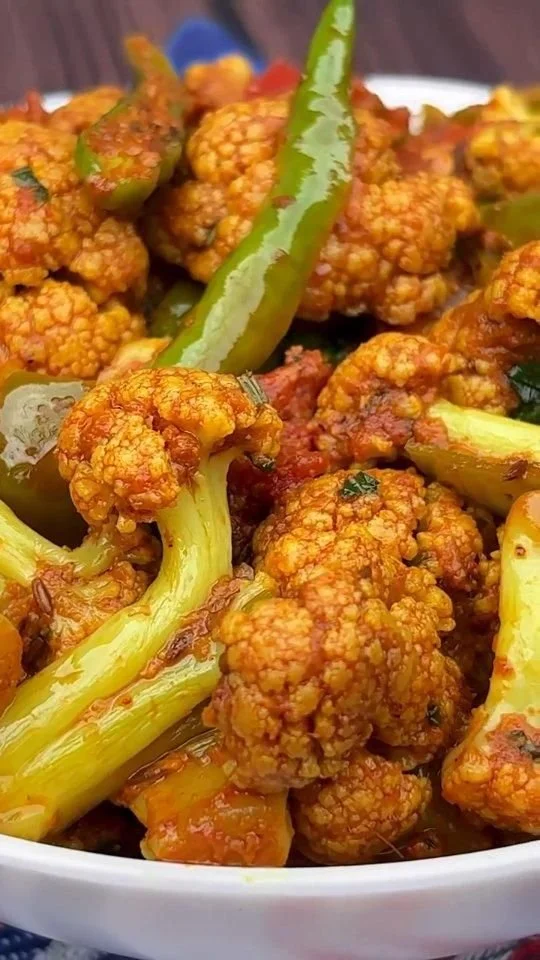
Imagine opening a lidded pan to the warm, fragrant rush of roasted cauliflower, turmeric, and cumin — an aroma that wraps around you like a cozy shawl. The florets are tender with slightly crisped edges, each one dusted in a sunlit gold of spices and studded with soft, sweet tomato morsels. Cauliflower Masala Dry is at once comforting and lively: earthy, mildly spicy, and wholly addictive. It’s the kind of dish that makes you pause, inhale deeply, and smile.
This recipe is perfect for busy weeknights when you want something quick and satisfying, for festive spreads where you want a vegetarian star that pairs with flatbreads and rice, and for casual gatherings where guests graze and fill their plates again. It fits into cozy breakfasts with parathas, lazy weekend lunches, or as a vibrant side to a larger celebratory meal.
At a Glance
- Prep Time: 10 minutes
- Cook Time: 20 minutes
- Total Time: 30 minutes
- Servings: 4
- Difficulty Level: Easy / Beginner-friendly
Nutrition Highlights
The nutrition info below is an approximate per-serving estimate for this Cauliflower Masala Dry recipe (recipe yields 4 servings). Values were calculated using standard values for raw cauliflower, onion, tomato and vegetable oil from government and science-based sources (USDA FoodData Central) and cross-checked with general dietary guidance (Mayo Clinic). These are approximations; actual values will vary by ingredient brands and exact portion sizes.
Per serving (approximate):
- Calories: 115–130 kcal
- Protein: 4–5 g
- Carbohydrates: 10–13 g
- Dietary Fiber: 3–4 g
- Total Fat: 6–8 g
- Saturated Fat: 1 g
- Sodium: 250–450 mg (depends on added salt)
Notes:
- Cauliflower is low in calories and provides fiber and vitamin C (USDA FoodData Central).
- Using 2 tablespoons of oil provides most of the dish’s fat and calories; reduce oil for a lighter version.
- For exact nutritional tracking, weigh your ingredients and use a nutrition calculator or app based on product labels.
Why You’ll Love It
- Aroma & Flavor: The fragrance of cumin and turmeric awakens the senses; tomatoes add a gentle acidity that balances the cauliflower’s earthiness.
- Versatile & Easy: Quick to prepare and forgiving in technique — great for busy cooks and beginners alike.
- Crowd-Pleasing & Comforting: Works as a weeknight staple and also stands confidently on festive plates alongside dal, rotis, or rice.
- Healthful Swap: A low-calorie, vegetable-forward option that’s easy to make vegan, gluten-free, and adaptable to a range of diets.
How to Make Cauliflower Masala Dry
Ingredients
- 1 medium cauliflower (gobhi), cut into florets
- 2 tablespoons oil
- 1 teaspoon cumin seeds
- 1 onion, finely chopped
- 2 tomatoes, chopped
- 1 teaspoon ginger-garlic paste
- 1 teaspoon turmeric powder
- 1 teaspoon red chili powder (adjust to taste)
- 1 teaspoon garam masala
- Salt to taste
- Fresh coriander leaves for garnish
Optional ingredients and substitutions:
- 1 small potato, diced — for an aloo-gobi variation
- 1/2 teaspoon coriander powder or cumin powder — for deeper spice layers
- 1 green chili, slit — for extra heat
- Use 1 tablespoon oil + 1 tablespoon ghee for a richer flavor
- Use coconut oil or olive oil as alternative fats
- Substitute garam masala with pav bhaji masala for a different regional twist
Method
- Heat oil in a pan over medium heat.
- Add cumin seeds and let them splutter.
- Add chopped onions and sauté until golden brown.
- Stir in ginger-garlic paste and cook for a minute.
- Add chopped tomatoes and cook until soft.
- Sprinkle turmeric, red chili powder, and salt; mix well.
- Add cauliflower florets and stir to coat the masala.
- Cover and cook for about 10-15 minutes, stirring occasionally, until cauliflower is tender.
- Sprinkle garam masala and stir well.
- Garnish with fresh coriander leaves before serving.
Practical tips while cooking:
- Dry the cauliflower well after washing so it browns rather than steams excessively.
- If florets are thick, cut them into uniform pieces for even cooking.
- If you prefer a little char, finish on high heat for the last 2–3 minutes, stirring to avoid burning.
- Check doneness by piercing with a fork — it should be tender but not mushy.
- Avoid overmixing after adding spices so the florets keep some texture.
Best Pairings
- With Indian breads: Serve with warm rotis, parathas, or naans for a simple meal.
- With rice: Plain basmati, jeera rice, or even a lemon rice complement the spices.
- As a snack: Toss with a squeeze of lemon and extra chaat masala for a teatime bite with chai or coffee.
- In wraps: Use as a filling for paratha rolls, tortillas, or pita pockets with yogurt or chutney.
- With proteins: Pair with dal, raita, or grilled paneer/tempeh for a balanced plate.
Shelf Life & Storage
- Room temperature: Do not leave cooked cauliflower masala at room temperature for more than 2 hours to avoid bacterial growth (follow food safety guidelines).
- Refrigeration: Store in an airtight container for up to 3–4 days.
- Freezer: This dish can be frozen for 2–3 months; cool completely before freezing in a freezer-safe container. Thaw overnight in refrigerator and reheat thoroughly.
Storage tips:
- Reheat gently on the stovetop with a splash of water to loosen the masala, or microwave until piping hot.
- Freezing may soften the cauliflower further; briefly sauté after reheating to restore some texture.
Chef’s Advice
- Cauliflower choice: Choose a firm, heavy head with tight florets and no brown spots for the best texture.
- Browning vs. steaming: For a drier, slightly charred finish, roast or sauté florets separately until browned, then combine with the masala. This prevents sogginess.
- Spice balance: Toast whole spices (like cumin) briefly in oil to unlock deeper flavors; add powdered spices after tomatoes have cooked down to avoid raw spice taste.
- Texture cue: When the fork meets the cauliflower with slight resistance (not mush), you’ve reached the ideal texture.
- Salt strategy: Season in stages — a pinch while cooking onions and adjust at the end. Salt influences how spices and tomatoes burst in flavor.
Creative Twists
- Aloo-Gobi Dry: Add diced potato (par-cooked) with the cauliflower for a heartier version. Potatoes absorb spices and make the dish more filling.
- Peanut-Coconut Crunch: Finish with toasted crushed peanuts and a tablespoon of grated coconut for a South-Indian flair and crunchy texture.
- Roasted Whole Spices: Roast and grind coriander and cumin seeds fresh, then add with turmeric for a brighter, more aromatic masala.
- Keto/Low-carb variation: Reduce oil slightly and increase roasted mustard seeds and curry leaves with a squeeze of lime to keep it flavorful while lowering calories.
- Protein boost: Add cooked chickpeas or pan-fried paneer cubes toward the end for extra protein and body.
All Your Questions Answered
Q: Can I use frozen cauliflower?
A: Yes — thaw and pat dry to remove excess moisture; cook slightly longer and watch for sogginess.
Q: My cauliflower is turning mushy — what did I do wrong?
A: Likely been overcooked or cut too small. Use medium-sized florets and check after 8–10 minutes; finish on high heat to release steam and firm up edges.
Q: How can I make this milder for kids?
A: Reduce or omit red chili powder and skip green chilies. Add a little turmeric for color and a pinch of sugar if tomatoes are very acidic.
Q: Is this recipe suitable for meal prep?
A: Yes — it stores well in the fridge for 3–4 days and freezes for 2–3 months. Reheat thoroughly before serving.
Q: How to keep it oil-light without losing flavor?
A: Use 1 tablespoon oil plus a teaspoon of ghee for flavor, cook spices longer to bloom, and add a splash of lemon to brighten.
Conclusion
I hope this Cauliflower Masala Dry inspires you to savor a simple vegetable transformed by spices and technique — quick enough for weeknights, satisfying enough for guests. If you enjoy exploring regional twists, you might like the restaurant-style Gobi Masala recipe at Rak’s Kitchen for a richer take, or compare textures and spice blends with the aloo gobi dry recipe at Hebbar’s Kitchen. Share your photos or tips in the comments — I’d love to hear how you make this dish your own.