Easy 15-Minute Lo Mein Recipe
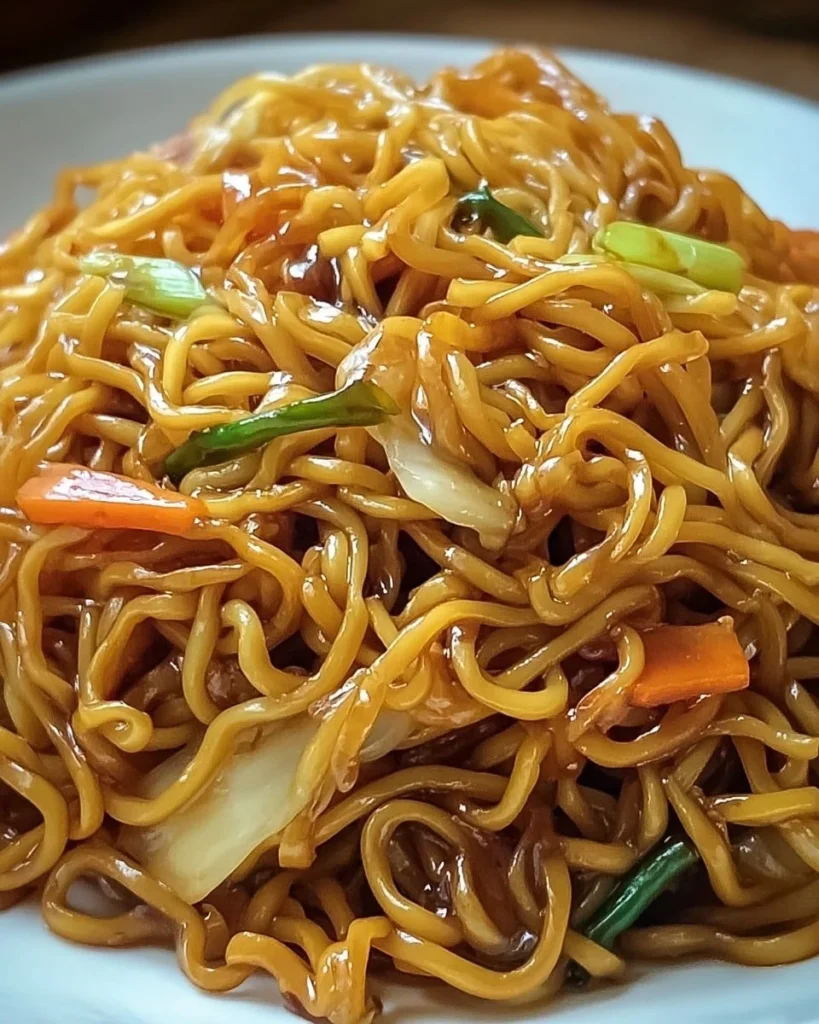
There’s something instantly comforting about a steaming plate of lo mein: the warm, glossy noodles that carry a sweet-savory sauce, the bright snap of carrots and cabbage, and the whisper of sesame oil on the finish. Take a breath — you can almost smell the garlic and soy melding together, feel the silky noodles slide across your fork, and imagine the little pops of green onion with each bite. This 15-minute lo mein brings that sensory pleasure to your weeknights without the fuss, perfect when you want something fast, flavorful, and satisfying.
If you love quick, reliable recipes that pair nicely with simple desserts, try pairing this warm noodle dish with a soft, moist loaf for an easy finish — for inspiration, see this blueberry loaf recipe that complements savory mains beautifully.
At a glance, this lo mein is built for speed: a few fresh vegetables, pantry sauces, and a short wok toss produce a meal that feels restaurant-style but is wholly homey — great for busy weeknights, casual gatherings, or when you need a cozy, comforting plate in minutes.
At a Glance
- Prep Time: 5 minutes
- Cook Time: 10 minutes
- Total Time: 15 minutes
- Servings: 3 (easily scaled to 4 if you add a side or small protein)
- Difficulty Level: Easy
Nutrition Highlights
Estimated nutrition per serving (recipe yields 3 servings). Values are approximate and were calculated using ingredient nutrition data from USDA FoodData Central and similar government nutrition references; sodium guidance referenced from Mayo Clinic/CDC dietary recommendations.
- Calories: ~420 kcal per serving
- Protein: ~12 g
- Carbohydrates: ~75 g
- Fat: ~4–5 g
- Fiber: ~5–7 g
- Sodium: ~1,300–1,500 mg
Notes: The sodium value is relatively high because of two tablespoons each of dark soy and soy sauce and an added tablespoon of oyster sauce. If you are watching sodium, reduce soy sauce quantities or use low-sodium versions (see substitutions in the Preparation Guide). For reference on daily sodium limits and health guidance, consult resources like the Mayo Clinic or CDC.
Why You’ll Love It
- Speed: Ready from pan to plate in about 15 minutes — ideal for hectic weeknights.
- Comfort factor: Warm, saucy noodles feel indulgent without being heavy.
- Texture play: Tender-but-firm (al dente) noodles meet crisp-tender vegetables for a satisfying mouthfeel.
- Flexible: Naturally vegetarian and easily adaptable to add proteins (shrimp, chicken, tofu) or make it vegan/gluten-free.
- Memory-making: This is the kind of quick dish that becomes a go-to family favorite — simple to scale and easy to share.
Preparation Guide
Ingredients
- 8 oz dry egg noodles (or fresh lo mein noodles)
- 2 carrots, sliced into thin matchsticks or rounds
- 1/4 yellow onion, sliced thinly
- 3 cups cabbage, thinly sliced (about 1/4 of a large cabbage)
- 3 garlic cloves, diced
- 1 bunch green onion (green parts only), chopped
- 2 tbsp dark soy sauce
- 2 tbsp soy sauce
- 2 tbsp brown sugar (or regular granulated sugar)
- 1 tbsp water
- 1 tsp sesame oil
- 1 tbsp corn starch
- 1/4 tsp white pepper
- 1 tbsp oyster sauce
Optional ingredients and substitutions
- Swap egg noodles for rice noodles (for egg-free) or gluten-free noodles (for gluten-free) — note cooking times will vary.
- Use low-sodium soy sauce and low-sodium oyster sauce to reduce sodium.
- Add 8–12 oz cooked protein: shrimp, sliced chicken breast, or firm tofu. If adding protein, quickly sear it first and set aside, then add back in at the final toss.
- Replace brown sugar with honey or maple syrup for different sweetness profiles (reduce heat slightly when using honey).
- For a vegan version, replace oyster sauce with a mushroom-based stir-fry sauce or additional soy sauce + a touch of miso paste.
Step-by-step instructions
- Boil the egg noodles according to package instructions until al dente. Drain and rinse under cold water to stop cooking. Set aside.
- In a bowl, combine dark soy sauce, soy sauce, brown sugar, water, sesame oil, corn starch, white pepper, and oyster sauce. Whisk thoroughly until the sugar and corn starch are completely dissolved.
- Heat a large skillet or wok over medium-high heat. Add a splash of oil (neutral oil like canola or vegetable oil works best), then stir-fry the sliced carrots, yellow onions, cabbage, and diced garlic for 3–4 minutes until vegetables are tender but still crisp.
- Add the cooked noodles and chopped green onions to the skillet with the vegetables. Toss to combine evenly.
- Pour the prepared lo mein sauce over the noodle and vegetable mixture. Stir-fry everything together for 2–3 minutes, allowing the sauce to thicken and coat the noodles evenly. If the sauce becomes too thick, add a splash of water to loosen.
- Remove from heat and transfer the lo mein to serving plates. Enjoy immediately for best flavor and texture.
Practical tips
- Avoid overcooking noodles: rinse under cold water to stop residual cooking and prevent them from becoming mushy.
- Keep ingredients prepped and within reach — stir-frying moves fast.
- Taste before serving and adjust: a squeeze of lime or a dash more soy can brighten the final plate.
- If doubling the recipe, cook in batches or use a very large wok to avoid crowding and steaming the vegetables.
Best Pairings
- Classic sides: Steamed or pan-fried dumplings, simple cucumber salad, or quick kimchi freshens the palate.
- Light finish: Serve a scoop of tart frozen fruit or a chilled, creamy treat for contrast — try pairing with easy frozen desserts like frozen Greek yogurt recipes for a cool, protein-rich contrast.
- Beverages: Jasmine tea, a light lager, or sparkling water with citrus complements the savory notes.
- Make it a meal: Add a small plate of salt-and-pepper tofu or quick-teriyaki chicken for extra protein and variety.
Storage Instructions
- Room temperature: Not recommended to store cooked lo mein at room temperature for more than 2 hours (food safety).
- Refrigeration: Store in an airtight container for up to 3–4 days. Reheat gently in a skillet with a splash of water or oil to loosen the sauce. Microwaving works but may soften the vegetables.
- Freezer: You can freeze cooked lo mein, but texture changes are likely (noodles may become softer). Freeze in an airtight, freezer-safe container for up to 2 months. Thaw overnight in the fridge before reheating.
Chef’s Advice
- Wok vs. skillet: A hot, well-seasoned wok gives the best quick sear and flavor; a large skillet works well if you don’t have a wok.
- Noodle choice: Fresh lo mein noodles cook faster and have springier texture; dry egg noodles are convenient and hold sauce well.
- Sauce balance: Cornstarch is the thickener — whisk it fully to avoid lumps. If your sauce tastes flat, a splash of rice vinegar or a pinch of chili flakes will add brightness.
- Texture cues: Vegetables should be crisp-tender — remove when they still have color and a slight bite; they will soften slightly in the final toss.
- Protein timing: If adding raw protein (chicken, shrimp), cook it separately first and remove; add back in at step 5 so it finishes cooking evenly without overcooking the vegetables.
Delicious Variations
- Vegan Lo Mein: Replace oyster sauce with mushroom-based stir-fry sauce or 1 tbsp miso + 1 tsp soy sauce; use low-sodium soy for lighter seasoning. Add marinated and baked tofu cubes.
- Spicy Peanut Lo Mein: Add 2 tbsp creamy peanut butter, 1 tbsp sriracha, and a splash of rice vinegar into the sauce for a nutty, spicy twist. Garnish with crushed peanuts.
- Protein-Packed Chicken & Broccoli Lo Mein: Add 8 oz thinly sliced chicken breast (marinated briefly in 1 tsp soy sauce and cornstarch), stir-fry until cooked, and include 1–1.5 cups blanch-cooked broccoli with the cabbage.
- Gluten-Free Version: Use tamari or gluten-free soy sauce and rice-based or gluten-free noodles; check oyster sauce for gluten or use a gluten-free mushroom sauce.
Frequently Asked Questions
Q: Can I prepare this ahead of time?
A: You can prep veggies and sauce in advance, but cook noodles and assemble just before serving for best texture.
Q: How do I reduce sodium without losing flavor?
A: Use low-sodium soy sauce, reduce the dark soy to 1 tbsp, increase aromatics (ginger/garlic) and add a splash of rice vinegar or a pinch of sugar to balance flavors.
Q: My noodles clump—how do I fix them?
A: Rinse noodles under cold water after boiling and toss with a teaspoon of oil before stir-frying to keep them separate. Reheat with a splash of water or oil if they’ve been refrigerated.
Q: Is this recipe suitable for meal prep?
A: Yes—store portions in airtight containers in the fridge for up to 3–4 days. Reheat in a skillet with a little oil for best texture.
Q: Can I add more vegetables?
A: Absolutely — bell peppers, snap peas, mushrooms, and baby corn all work well. Just slice thinly so they cook quickly.
Conclusion
This 15-minute lo mein is a reliable, craveable dish that delivers bright flavors and satisfying textures without a long time in the kitchen. Whether you keep it vegetarian, add protein, or try one of the variations above, it’s a versatile recipe you’ll return to again and again. If you make it, share your photos and tips — I’d love to hear how you customize this at-home favorite.