
Easy Orange Marmalade
There’s something about the smell of citrus and sugar boiling together that feels like a warm kitchen hug: bright, zesty orange aroma rising in sweet steam, a glossy, jewel-toned spread that catches the light, and translucent ribbons of peel suspended in a satisfyingly spreadable syrup. One spoonful delivers a lively balance of bright acidity, caramelized sweetness, and a pleasantly chewy peel texture that wakes up toast, scones, and the whole breakfast table.
This easy orange marmalade is perfect for cozy weekend mornings, thoughtful homemade gifts during the holidays, and quick weekday breakfasts that feel a little more special. If you love batch cooking on a Sunday, or you want a simple, uplifting preserve to brighten tea time, this recipe is a winner. For ideas on portable, no-fuss breakfasts and snacks to enjoy with your marmalade, check out this collection of no-bake recipes for hot days and nights—they make great partners for a marmalade-topped cracker or biscuit.
At a Glance
- Prep Time: 20 minutes
- Cook Time: 30–35 minutes
- Total Time: 50–55 minutes
- Servings: about 12 (2 tablespoons each)
- Difficulty Level: Easy
Nutrition Highlights
Estimated nutrition per serving (2 tablespoons). These figures are approximate and calculated using U.S. Department of Agriculture (USDA) food composition averages for oranges and granulated sugar; actual values will vary slightly by fruit size and juiciness.
- Calories: ~280 kcal
- Protein: ~0.5 g
- Carbohydrates: ~72 g (of which sugars ~68 g — mostly added sugar)
- Fat: ~0.1 g
- Dietary Fiber: ~1.2 g
- Sodium: <5 mg
Notes: The large contribution to calories and carbohydrates comes from the added sugar (4 cups = ~800 g). For context on added sugar recommendations, the Mayo Clinic suggests limiting added sugars to about 25 g/day for women and 36 g/day for men. Use these estimates to adjust portion size if you’re monitoring sugar intake. (Nutrition estimates based on USDA FoodData Central values.)
Perfect For…
This marmalade shines for several reasons:
- Bright citrus aroma and balanced sweetness make it irresistibly spreadable on toast or muffins.
- It’s a comforting, nostalgic preserve—many people associate marmalade with family breakfasts and holiday gift jars.
- The method is quick and forgiving: once your oranges are prepped, the jam cooks in about half an hour.
- It preserves the vitamins and fiber from whole oranges (including peel) better than many processed spreads, while delivering a classic marmalade texture.
Step-by-Step Instructions
Ingredients
- 2.0 to 2.3 pounds oranges (about 4 medium)
- 1 lemon (zest and juice)
- 1/3 cup water
- 4 cups granulated sugar (about 800 g)
Optional ingredients / substitutions
- Use 3 cups granulated sugar for a less-sweet marmalade (result will be softer; consider adding a teaspoon of lemon juice or 1/4 teaspoon powdered pectin to help set).
- Substitute part of the sugar with 1/2 cup honey or maple syrup for a different flavor profile (note: these change texture and preservation).
- Add 1–2 teaspoons grated fresh ginger or 1 cinnamon stick during simmering for a spiced version.
- For low-sugar preserves, substitute Pomona’s pectin and follow its instructions for reduced-sugar jam.
Preparation and Cooking (numbered steps)
- Wash the oranges and lemon thoroughly to remove wax and any residues. Pat dry.
- Cut off the ends of each orange, halve them, then cut each half into four pieces (quarters). Remove and discard any seeds as you go.
- Add the orange pieces (including peel and pith) to a food processor and pulse until the pieces are finely chopped but not fully liquified—aim for small, slightly textured bits so you retain peel pieces in the final marmalade.
- Zest the lemon and squeeze its juice. In a large, heavy-bottomed saucepan over medium heat, combine the orange puree, lemon zest, lemon juice, 1/3 cup water, and the granulated sugar. Stir until well combined and the sugar begins to dissolve.
- Bring the mixture to a rolling boil over medium-high heat, stirring frequently to prevent scorching. Reduce heat to a simmer and continue to cook for 30–35 minutes, stirring often. The mixture should thicken and become glossy.
- Test doneness with the cold plate method: chill a small plate in the freezer, drop a teaspoon of marmalade onto the chilled plate, wait 30 seconds, then push gently—if it wrinkles and holds shape, it’s done. If it runs, cook 3–5 minutes more and test again.
- Remove from heat. Skim any foam if desired. Spoon into clean jars or containers, leaving a little headspace. Allow jars to cool uncovered to room temperature before sealing and refrigerating (or process in a boiling water bath if you want shelf-stable jars—see Chef’s Advice below).
- Let the marmalade sit 24 hours before heavy use to let flavors meld.
Practical tips
- Don’t over-puree if you prefer visible peel; pulse just until pieces are small.
- Stir frequently once boiling begins—sugar can scorch easily.
- Use the cold plate test for the most reliable doneness cue rather than relying solely on time.
- If you prefer smoother marmalade, puree longer or pass through a food mill.
Best Pairings
- Classic: Spread on buttered toast, English muffins, or scones.
- Cheese board: Pair with sharp cheddar, Manchego, or a creamy Brie for contrast.
- Breakfast upgrades: Spoon over plain yogurt or ricotta with a drizzle of olive oil. For a savory-sweet twist, try it on avocado toast—this marmalade adds bright sweetness to creamy slices (also see creative avocado toast ideas at avocado toast ideas).
- Baking: Use as a filling for thumbprint cookies, sandwich it between cake layers, or glaze a ham for a citrus lift.
- Drinks: A spoonful stirred into Earl Grey tea or sparkling water makes a refreshing citrus drink.
Keeping it Fresh
- Room temperature: Because this recipe does not include canning steps, do not store unrefrigerated for extended periods. If you fill and seal sterilized jars and process them in a proper water bath canner, follow USDA guidelines for shelf-stable storage. Otherwise: leave jars at room temp only during cooling (a few hours).
- Refrigeration: Stored in the fridge in airtight jars, homemade marmalade will keep well for up to 3 weeks.
- Freezer: For longer storage, freeze in freezer-safe containers or jars (leave headspace) for up to 12 months. Thaw in the fridge before use.
Chef’s Advice
- Best citrus: For a classic, slightly bitter marmalade, Seville (bitter) oranges are traditional. For sweeter, brighter marmalade, use navel or blood oranges—combine varieties for complex flavor.
- Bitterness control: If your marmalade tastes too bitter, the pith may be excessive—next time remove more of the white pith, or blanch peel pieces briefly before pulsing to mellow bitterness.
- Setting consistency: The sugar-to-fruit ratio here is generous and typically sets well without added pectin. If you make a low-sugar batch, use a quality low-sugar pectin (like Pomona’s) and follow its instructions.
- Sterilizing jars: If you plan to make shelf-stable jars, sterilize jars and lids, and process in a boiling water bath for the recommended time based on jar size and altitude (follow USDA water bath canning guidance).
- Flavor boost: Add a splash (1–2 tablespoons) of good-quality orange liqueur (Grand Marnier or Cointreau) off heat for an adult twist.
Creative Twists
- Ginger-Orange Marmalade: Add 1–2 tablespoons finely grated fresh ginger during simmering for a warm, spicy note.
- Blood Orange & Vanilla Marmalade: Substitute 2–3 blood oranges for partial color and add 1/2 teaspoon vanilla extract off heat for a floral, sweet finish.
- Citrus Medley Marmalade: Mix oranges with grapefruit or tangerines (adjust sugar to taste) for layered citrus complexity.
- Low-Sugar Marmalade: Use Pomona’s pectin and reduce sugar to 1–2 cups, following pectin instructions. Texture will be less gelled but still spreadable.
Common Questions & Answers
Q: Why is my marmalade bitter?
A: Bitterness usually comes from too much white pith. Remove more pith when prepping fruit or blanch the peel briefly before pureeing.
Q: How do I fix runny marmalade?
A: Cook it a bit longer and use the cold plate test every 3–5 minutes. If you want to avoid long cooking, add a small amount of powdered pectin (follow package directions) to help it set.
Q: Can I reduce the sugar?
A: Yes—reduce sugar to 3 cups for a less-sweet version, but expect a looser set. For low-sugar preserves, use a modern low-sugar pectin (e.g., Pomona’s).
Q: Is this recipe shelf-stable?
A: Only if you properly sterilize the jars and process them in a boiling water bath per USDA canning guidelines. Otherwise, refrigerate.
Q: How long does opened marmalade last?
A: Refrigerated, properly sealed marmalade lasts up to 3 weeks; frozen, up to 12 months.
Conclusion
Give this easy orange marmalade a try the next time you want a bright, homemade spread that turns simple bread into a special moment. If you’d like another hands-on orange marmalade technique and inspiration, compare with Gemma’s Easy Orange Marmalade recipe for a slightly different approach. For additional recipes and variations that show different marmalade textures and flavorings, see the recipes at Tastes Better From Scratch – Orange Marmalade.
If you make a batch, please share your photos and notes—swap tips in the comments, and let’s build a community of marmalade lovers who brighten mornings one jar at a time.
Print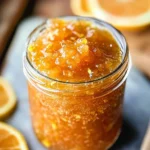
Easy Orange Marmalade
- Total Time: 50 minutes
- Yield: 12 servings 1x
- Diet: Vegan
Description
A bright and zesty orange marmalade that captures the essence of citrus with a balance of acidity and sweetness, perfect for toast, scones, and homemade gifts.
Ingredients
- 2.0 to 2.3 pounds oranges (about 4 medium)
- 1 lemon (zest and juice)
- 1/3 cup water
- 4 cups granulated sugar (about 800 g)
Instructions
- Wash the oranges and lemon thoroughly to remove wax and any residues. Pat dry.
- Cut off the ends of each orange, halve them, then cut each half into four pieces (quarters). Remove and discard any seeds as you go.
- Add the orange pieces (including peel and pith) to a food processor and pulse until finely chopped but not fully liquefied.
- Zest the lemon and squeeze its juice. In a large saucepan over medium heat, combine the orange puree, lemon zest, lemon juice, water, and granulated sugar. Stir until well combined and the sugar begins to dissolve.
- Bring the mixture to a rolling boil over medium-high heat, stirring frequently to prevent scorching. Reduce heat to a simmer and continue to cook for 30-35 minutes, stirring often, until thickened and glossy.
- Test doneness with the cold plate method. If done, remove from heat. Skim any foam if desired. Spoon into clean jars, allowing to cool before sealing.
- Let the marmalade sit for 24 hours before heavy use.
Notes
For a less-sweet version, reduce sugar to 3 cups. For low-sugar options, use Pomona’s pectin and follow instructions. Store in airtight jars in the fridge for up to 3 weeks or freeze for up to 12 months.
- Prep Time: 20 minutes
- Cook Time: 30 minutes
- Category: Preserve
- Method: Cooking
- Cuisine: American
Nutrition
- Serving Size: 2 tablespoons
- Calories: 280
- Sugar: 68g
- Sodium: <5mg
- Fat: 0.1g
- Saturated Fat: 0g
- Unsaturated Fat: 0g
- Trans Fat: 0g
- Carbohydrates: 72g
- Fiber: 1.2g
- Protein: 0.5g
- Cholesterol: 0mg