Golden French Fries
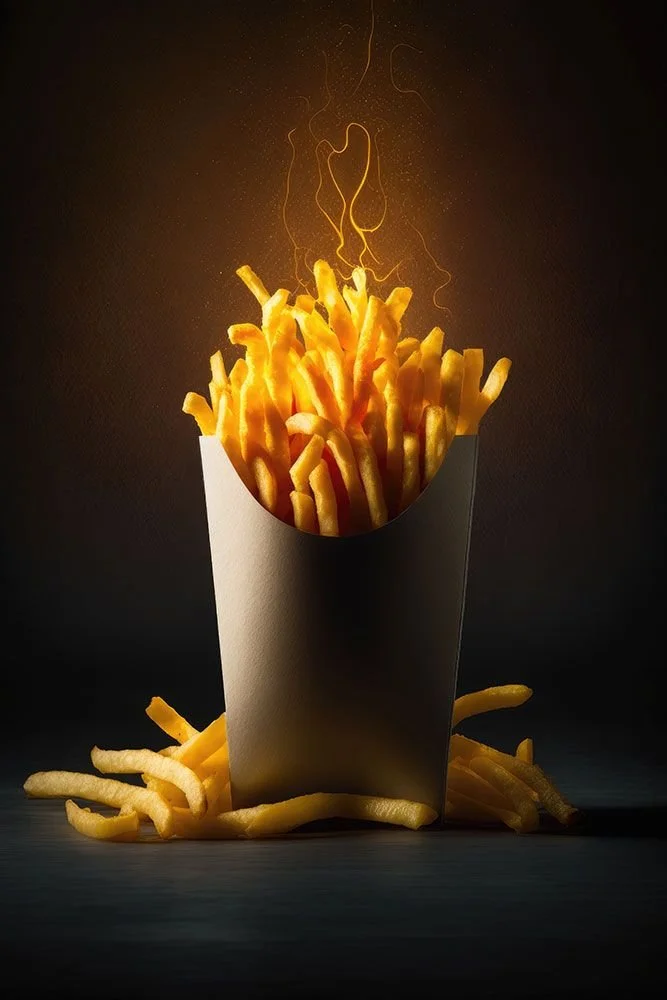
The first crisp crack as you bite into a perfectly fried French fry — that near-silent promise of salt, warmth, and fluffy potato interior — is one of life’s uncomplicated pleasures. Picture warm, golden batons steaming on a plate: the aroma of hot oil, the faintly sweet scent of toasted potato, and the satisfying contrast between an ultra-crispy shell and a soft, cloud-like center. These Golden French Fries are comfort on a plate, evoking childhood sleepovers, weekend movie marathons, and bustling family kitchens where everyone reaches in at once.
Whether you’re serving them as a solo snack on a rainy afternoon, pairing them with a hearty sandwich for a quick weeknight meal, or offering a plate for a crowd at game day, this recipe delivers dependable, crave-worthy results. If you’d like an easier shortcut or inspiration on different cutting techniques, take a look at this helpful guide to making easier fries for home cooks: easier French fries techniques.
At a glance, these fries are simple, nostalgic, and fast enough to become a weekly staple.
At a Glance
- Prep Time: 35 minutes (includes 30-minute soak)
- Cook Time: 15–25 minutes (depending on batches)
- Total Time: 50–60 minutes
- Servings: 3 (as a side/snack)
- Difficulty Level: Easy — beginner-friendly, but attention to oil temperature helps
Nutrition Highlights
Estimated nutrition per serving (recipe yields approximately 3 servings). These are approximations calculated using USDA FoodData Central values for russet potatoes and typical vegetable oil absorption; consult a registered dietitian for personalized guidance.
- Calories: ~310 kcal
- Protein: ~4 g
- Carbohydrates: ~34 g
- Dietary Fiber: ~3 g
- Total Fat: ~18 g
- Saturated Fat: ~2.5 g
- Sodium: variable — depends on added salt (estimate 300–500 mg if lightly salted)
These figures are approximate and derived from government food composition data (USDA FoodData Central) and general fat-calorie conversions for vegetable oils; they provide a realistic expectation rather than precise medical nutrition advice. For general health context, resources such as the Mayo Clinic and the CDC offer guidelines on balanced diets and portion sizes.
Why You’ll Love It
- Irresistible contrast: A delicate, shattering exterior gives way to a fluffy, tender heart — the texture is the emotional center of this recipe.
- Crowd-pleaser: Universally loved, fries are the social glue at gatherings — they’re shareable, familiar, and dangerously easy to eat.
- Quick satisfaction: With a short active cook time and minimal prep, you can satisfy a craving or round out a weeknight dinner with little fuss.
- Versatile canvas: These fries pair with countless flavors — from tangy aioli to spicy ketchup to herb-sprinkled versions — making them adaptable to many meals and moods.
Preparation Guide
Ingredients
- 2 large russet potatoes (about 600 g total)
- Vegetable oil for frying (canola, sunflower, or peanut oil) — enough for a deep fryer or 3–4 inches in a large pot (about 4 cups/1 L)
- Salt to taste
Optional ingredients and substitutions
- Optional: 1–2 teaspoons cornstarch for extra-crisp coating (toss with cut potatoes before soaking)
- Optional: 1 teaspoon garlic powder, smoked paprika, or ground rosemary for seasoning variations
- Substitution: Use olive oil for a slightly different flavor (note: lower smoke point) or an air fryer for a lower-oil option
- For a lower-fat option, see air-fryer adaptations in many home-cook guides
Method & Process
- Peel and cut the potatoes into sticks (about 1/3–1/2 inch thick). Try to keep them uniformly sized so they cook evenly.
- Soak the cut potatoes in cold water for 30 minutes to remove excess starch, then drain and pat dry thoroughly with a clean kitchen towel or paper towels. (Drying is critical — excess water causes oil to splatter and prevents crisping.)
- Heat the vegetable oil in a deep fryer or large, heavy pot to 350°F (175°C). Use a thermometer — accurate temperature control is the single biggest factor for success.
- Fry the potatoes in batches without crowding the pot until golden brown and crispy, about 5–7 minutes per batch. Avoid adding too many at once, which lowers the oil temperature and yields greasy fries.
- Remove from oil with a slotted spoon and drain on paper towels or a wire rack set over a baking sheet.
- Season with salt while the fries are still hot and serve immediately.
Practical tips
- Double-frying method (optional): For even crisper fries, fry once at 325°F (163°C) for 3–4 minutes to cook the interior, drain and rest for 5–10 minutes, then fry again at 375°F (190°C) until golden.
- Oil temperature: Keep oil between 325–375°F; too cool results in soggy fries, too hot burns the exterior before the inside is cooked.
- Check doneness by color and feel — golden brown and a firm-but-not-rock-hard exterior indicate readiness.
- Avoid over-salting — salt will draw moisture over time and soften fries if left to sit.
Best Pairings
- Classic condiments: ketchup, mayonnaise, or a tangy house aioli.
- Dipping trio: mustard-mayo blend, sriracha-mayo, and BBQ sauce for variety.
- Sandwich companion: Serve next to a burger, fried chicken sandwich, or grilled cheese.
- Brunch twist: Pair with eggs and a light salad for a cozy weekend plate.
- Snack/tea pairing: Serve warm with a cup of coffee or tea for a delightful contrast — especially in relaxed breakfast or brunch situations.
Shelf Life & Storage
- Room temperature: Best eaten immediately; at room temperature, fries remain acceptable for a few hours but will lose crispness quickly (not recommended beyond 2–4 hours).
- Refrigeration: Store in an airtight container in the fridge for up to 3–4 days. Reheat in an oven or air fryer to restore some crispness. Avoid microwaving if you want to keep them crisp.
- Freezer: You can freeze cooked fries for 1–2 months. Flash-freeze on a tray first, then transfer to a freezer-safe bag. Reheat from frozen in an oven or air fryer for best texture.
Chef’s Advice
- Choose the right potato: Russet potatoes are ideal — high starch and low moisture yield a fluffy interior and great crisping.
- Cut uniformly: Use a mandoline or a sharp knife and a steady hand to keep all sticks the same thickness for even cooking.
- Oil quality and temperature matter more than time alone — a reliable thermometer and good neutral oil will make the difference between “okay” and “extraordinary.”
- Season immediately: Salt while hot to ensure it adheres and seasons the fries evenly.
- Be mindful of smoke points: If using olive oil, use light/neutral olive oil and keep temperatures below its smoke point to avoid off flavors.
Creative Twists
- Garlic-Parmesan Fries: Toss hot fries with minced roasted garlic, grated Parmesan, and chopped parsley. Finish with a squeeze of lemon for brightness.
- Smoky Paprika & Herb Fries: After frying, sprinkle with smoked paprika, sea salt, and finely chopped rosemary or thyme for an aromatic twist.
- Loaded Fries: Top with shredded cheese, scallions, crispy bacon bits, and a drizzle of ranch or cheese sauce. For inspiration toward cheesy potato dishes, you can consult this cheesy scalloped potato resource for ideas on layering flavors: cheesy scalloped potato inspiration.
- Health-conscious option: Air-fryer method with a light spray of oil and a dusting of cornstarch for crunch (reduces fat while keeping texture).
Recipe Q&A
Q: Can I skip the soaking step?
A: Soaking removes surface starch that causes fries to stick and brown unevenly. Skipping it can still produce edible fries, but soaking improves crispness and color.
Q: How do I make them less greasy?
A: Avoid crowding the fryer, maintain proper oil temperature, and drain on a wire rack rather than paper towels. A double-fry technique also helps minimize oil absorption.
Q: What if my fries are soft inside or dark outside?
A: Dark outside + soft inside = oil too hot. Lower the frying temperature or fry in two stages (lower temp first, then a hotter finish). If soft and pale, the oil is too cool.
Q: Can I prepare fries ahead of time?
A: You can cut and soak potatoes a few hours ahead, then refrigerate them in cold water for up to 24 hours (change water once). For best texture, fry just before serving.
Q: Are there healthier alternatives?
A: Yes — try air-frying, oven-baking with a small amount of oil, or using an oil spray and cornstarch to mimic the crisp without deep-frying.
Conclusion
Golden French Fries marry simple ingredients and straightforward technique into a universally loved treat — warm, crunchy, and endlessly adaptable. Try this recipe tonight, then share your results, tweaks, and photos with our community; your next favorite variation might come from another reader’s comment. For local or business details related to the classic Golden French Fries name, you might find helpful information on the official site: Golden French Fries. If you’re considering ready-made frozen options for convenience, check the product page for Ore-Ida’s frozen golden fries at this retail listing: Ore-Ida Oregon & Idaho Golden Fries French Fried Potatoes.
Happy frying — and don’t forget to salt while hot!