High-Protein Honey Garlic Shrimp
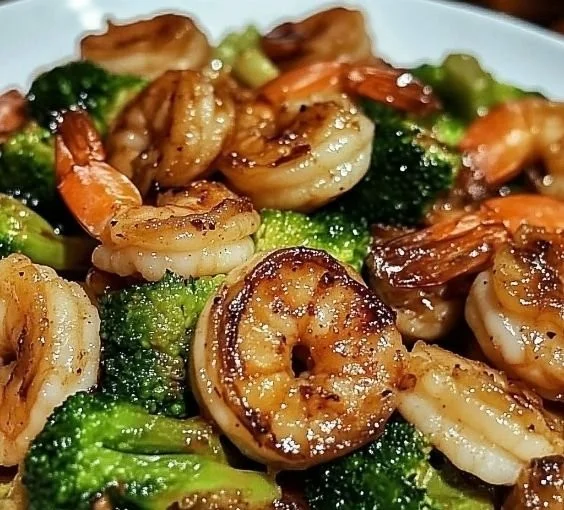
There’s something instantly mood-lifting about shrimp sizzling in a hot pan while the kitchen fills with the warm, sweet perfume of honey and the savory bite of garlic and soy. Picture glossy, caramel-kissed morsels that are just firm to the bite — plump, pink shrimp with a sticky-silky sauce clinging to every curve. Each forkful gives a bright pop of umami, a hint of caramelized sugar, and a delicate chew that feels indulgent without weighing you down.
This recipe is perfect for weeknights when you want something fast and satisfying, for weekend dinners when you want to impress with minimal fuss, or for meal-prep lunches when you need a high-protein boost. It’s also a lovely dish to bring to gatherings: it’s bold, easy to scale, and pairs beautifully with simple sides that let the shrimp shine. If you want a variant with more buttery comfort, try this High-Protein Honey Garlic Shrimp recipe for extra tips and inspiration.
Dish Snapshot
- Prep Time: 10 minutes
- Cook Time: 8 minutes
- Total Time: 18 minutes
- Servings: 4
- Difficulty Level: Easy
Nutritional Breakdown
Estimated nutrition per serving (recipe yields 4 servings). Values were calculated using standard portion data and verified against USDA FoodData Central and guidance from reputable health sources (USDA, Mayo Clinic).
- Calories: ~215 kcal
- Protein: ~28 g
- Carbohydrates: ~18.5 g
- Sugars (primarily from honey): ~17 g
- Fat: ~3.9 g
- Saturated fat: ~0.6 g
- Sodium: variable depending on soy sauce used (approx. 600–800 mg per serving with regular soy sauce)
Notes on accuracy and health context:
- Shrimp is an excellent lean protein source; USDA data shows shrimp is high in protein and low in fat. Honey and soy sauce contribute most of the carbohydrate and sodium, respectively. If you need lower sodium, use low-sodium soy sauce or tamari (see substitutions below). For more detailed nutrient values, consult USDA FoodData Central or guidance from the Mayo Clinic on dietary sodium and protein recommendations.
Why You’ll Love It
- Speed and simplicity: Ready in under 20 minutes — perfect for hectic evenings.
- High protein, low fuss: Shrimp delivers substantial protein with very little fat, helping you reach daily protein goals without heavy calories.
- Big flavor from few ingredients: Honey caramelizes to create a glossy, slightly sticky sauce, while garlic and soy add depth and savory balance.
- Crowd-pleasing: Elegant enough for guests but casual enough for family dinners. Try it when you want something impressive that won’t steal your whole evening.
Preparation Guide
Ingredients:
- 1 pound (about 450 g) shrimp, peeled and deveined (tail off or on, your preference)
- 1/4 cup honey (about 85 g)
- 2 tablespoons soy sauce (or low-sodium tamari)
- 3 cloves garlic, minced
- 1 tablespoon olive oil
- Salt and pepper to taste
- Steamed rice or vegetables, for serving
Optional ingredients and substitutions:
- Low-sodium soy sauce or tamari for reduced sodium
- Coconut aminos as a soy-free substitute (slightly sweeter)
- Add 1 teaspoon grated fresh ginger for warmth
- Red pepper flakes or a splash of sriracha for heat
- Swap honey for maple syrup for a different sweetness profile
- Use avocado oil instead of olive oil for a higher smoke point
Method (step-by-step):
- In a small bowl, whisk together the honey, soy sauce, and minced garlic until smooth. Set aside.
- Pat the shrimp dry with paper towels and season lightly with salt and pepper.
- Heat the olive oil in a large skillet over medium heat until shimmering.
- Add the shrimp in a single layer (work in batches if needed to avoid crowding). Cook until they turn pink and opaque, about 2–3 minutes per side depending on size.
- Reduce heat to medium-low. Pour the honey-garlic mixture over the shrimp and toss to coat. Cook for an additional 1–2 minutes, stirring, until the sauce thickens slightly and glazes the shrimp. Be careful — honey can burn if the pan is too hot.
- Remove from heat and serve immediately over steamed rice or with vegetables.
Practical tips:
- Pat shrimp dry to ensure a good sear; wet shrimp will steam instead of caramelize.
- Don’t overcook: shrimp should be opaque and slightly firm — cook time will vary with size but usually 4–6 minutes total.
- If the sauce gets too thick or starts to stick, add a splash of water or a teaspoon of rice vinegar to loosen it.
- For a deeper glaze, finish with a quick broil for 30–45 seconds, watching closely.
- If you want a buttery finish, fold in 1 tablespoon of cold butter off the heat (optional).
For another shrimp technique that emphasizes a rich, buttery finish, compare methods in this garlic butter shrimp skillet method.
Best Pairings
- Steamed jasmine or brown rice to soak up the glaze
- Cauliflower rice or a bed of greens for lower-carb options
- Stir-fried or steamed vegetables: broccoli, snap peas, bok choy, or asparagus
- Noodles (soba or rice noodles) tossed lightly with sesame oil for an Asian-inspired bowl
- Garnish ideas: thinly sliced scallions, toasted sesame seeds, or a squeeze of lime for brightness
- Beverage pairings: a crisp white wine (Sauvignon Blanc), cold lager, or an iced green tea
Storage Instructions
- Room temperature: Do not leave cooked shrimp out at room temperature for more than 2 hours (1 hour if ambient temperature is above 90°F/32°C) — per USDA food safety guidance.
- Refrigerator: Store in an airtight container for up to 3–4 days. Reheat gently to avoid overcooking.
- Freezer: Cooked honey-garlic shrimp can be frozen up to 2–3 months. Portion into airtight, freezer-safe containers or vacuum-seal bags. Thaw overnight in the refrigerator before reheating.
Chef’s Advice
- Choose fresh or properly thawed shrimp: wildly fluctuating temperatures can make shrimp mushy.
- Buy shrimp size that matches desired cook time — larger shrimp (U/12 or U/16) look impressive and hold up to sauces; smaller shrimp cook faster and are great for rice bowls.
- Balance the sauce: honey provides sweetness, soy offers saltiness. Taste before serving and adjust with a squeeze of citrus or a pinch of red pepper flakes to personalize.
- Use a heavy skillet (cast iron or stainless steel) for even heat and a better sear.
- If you want a stickier glaze, remove shrimp before the sauce reduces and then return shrimp at the very end to coat — this prevents burning while achieving a glossy finish.
Creative Twists
- Spicy Honey-Garlic Shrimp: Add 1 teaspoon chili paste or 1/2 teaspoon red pepper flakes to the sauce and finish with a drizzle of sesame oil.
- Citrus-Garlic Variation: Replace half the honey with fresh orange juice and add 1 teaspoon orange zest for bright, citrusy notes.
- Gluten-Free/Vegan Swap: Use large king oyster mushroom slices or tofu in place of shrimp; replace soy sauce with coconut aminos and keep the honey (or use maple syrup for vegan).
- Herb-forward: Stir in chopped cilantro or Thai basil right before serving for a fresh finish.
- Smoky-Sweet: Add 1/2 teaspoon smoked paprika to the shrimp seasoning for a subtle smoky depth.
Frequently Asked Questions
Q: Can I use frozen shrimp?
A: Yes. Thaw shrimp in the refrigerator overnight or under cold running water, pat dry thoroughly, then proceed as directed. Proper drying is key to a good sear.
Q: How do I prevent the honey from burning?
A: Cook on medium to medium-low when the honey is added. If the pan is too hot, the sugars can burn quickly; reduce heat and stir constantly for a short time to create a glaze without charring.
Q: Can I make this ahead for meal prep?
A: Yes — cook shrimp and cool rapidly, then store in the fridge up to 3–4 days. Reheat gently in a skillet with a splash of water or broth to avoid overcooking.
Q: Is this recipe suitable for low-sodium diets?
A: Use low-sodium soy sauce or tamari and adjust to taste. You can also dilute the soy with a little water and increase garlic and citrus to compensate for flavor.
Q: What if my shrimp is rubbery?
A: Rubberiness usually means overcooking. Shrimp cook very quickly — remove them from heat as soon as they turn pink and opaque.
Conclusion
Give this High-Protein Honey Garlic Shrimp a try the next time you want a fast, flavorful dinner that feels special without the fuss. If you’re looking for inspiration from other creators or want to compare techniques and flavor profiles, check out Wholesome Yum’s Honey Garlic Shrimp for a tidy home-cook version and Allrecipes’ Honey-Garlic Shrimp for user-tested variations. Share your results, tweaks, and photos — I’d love to see how you make this recipe your own.