
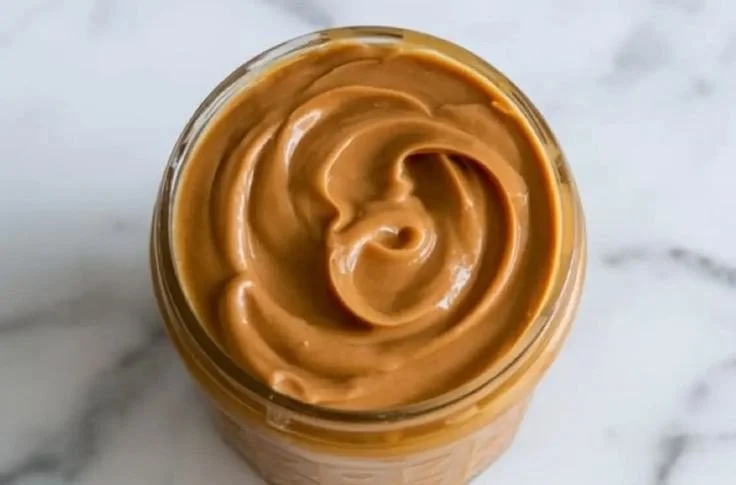
A jar of homemade Biscoff cookie butter: warm, spiced, and utterly irresistible
Close your eyes and imagine spooning into a jar of warm, velvety Biscoff cookie butter. The aroma is a heady mix of caramelized brown sugar and toasted spices—cinnamon, a whisper of clove, and that deep, toasty caramel note that makes Biscoff cookies so addictive. The first taste is a silky sweep of sweet and spiced comfort; the texture is smooth but with a whisper of body that clings to toast and spoons alike. It’s a tiny, edible hug in a jar.
This recipe is perfect for cozy slow mornings when you crave something special on toast, for holiday cookie exchanges when you want a crowd-pleasing edible gift, or for a quick dessert upgrade—swirl into yogurt, top ice cream, or build a decadent sandwich. If you love baking but want a fast win, this homemade version gives more control (and soul) than any store-bought jar. For a complementary cookie treat to enjoy alongside, try a crunchy alternative like the almond flour chocolate chip cookies recipe—they’re lovely with a smear of this butter.
Dish Snapshot
- Prep Time: 5 minutes
- Cook Time: 0 minutes (no-bake)
- Total Time: 5–10 minutes (including processing)
- Servings: about 8 (2 tablespoons each)
- Difficulty Level: Very easy — great for beginners
Nutrition Highlights
Estimated nutrition per serving (about 2 tablespoons). Values are approximate and calculated using USDA FoodData Central values for Lotus Biscoff cookies, coconut oil, and powdered sugar. For general guidance on saturated fat and heart health, refer to resources such as the Mayo Clinic.
- Calories: ~145 kcal
- Total Fat: ~10.2 g
- Saturated Fat: ~7.8 g
- Total Carbohydrate: ~13.1 g
- Sugars: ~8.2 g
- Protein: ~0.7 g
- Fiber: ~0.4 g
Notes: This spread is calorie-dense and high in saturated fat (mainly from coconut oil). Enjoy in small portions for maximum pleasure. The nutritional breakdown above is an estimate; many packaged Biscoff cookies and oils vary slightly in their profiles—values were rounded to practical figures.
Perfect For…
Why you’ll reach for this recipe again and again:
- Irresistible aroma and flavor: the toasted-caramel spice of crushed Biscoff cookies becomes deeply comforting when transformed into a spread.
- Fast and satisfying: from pantry to jar in minutes—no baking required. Ideal for last-minute gifts or a quick mood-lifting treat.
- Versatile: use as a spread, dip, or baking ingredient (fill cupcakes, swirl into frostings).
- Nostalgia and sharing: the flavor evokes cafés and cozy gatherings; jar it, label it, and you’ve got a thoughtful homemade gift.
Step-by-Step Instructions
Ingredients
- 1 cup Biscoff cookies (about 110 g), roughly crushed
- 1/4 cup coconut oil or neutral vegetable oil (about 56–57 g)
- 1/4 cup powdered sugar (about 30 g)
- 1/2 teaspoon vanilla extract
- Pinch of fine salt
Optional ingredients and substitutions
- Swap coconut oil for neutral vegetable oil (canola, sunflower) for a less coconut-forward flavor.
- Use coconut oil solid at room temperature for a slightly thicker butter; melted coconut oil will yield a looser texture.
- For less sweetness, reduce powdered sugar to 2 tablespoons or substitute with 2 tablespoons maple syrup (note: liquid will slightly loosen the texture).
- To make it vegan, ensure your powdered sugar has no bone char (most do not) and use plant-based oil (coconut or neutral).
- For a smoother, richer mouthfeel, add 1–2 tablespoons of creamy nut butter (peanut or almond).
Method
- Place the Biscoff cookies in a food processor and pulse until fine crumbs form. Stop and scrape down the sides so everything grinds uniformly.
- Add the coconut or vegetable oil, powdered sugar, vanilla extract, and pinch of salt to the cookie crumbs.
- Process continuously until the mixture becomes smooth and creamy, pausing to scrape down the sides as necessary. This usually takes 1–2 minutes depending on your processor; don’t worry if it’s slightly grainy at first—keep processing.
- Taste and adjust: add a touch more salt to balance sweetness, or a little extra powdered sugar if you prefer a sweeter spread. If it’s too thick, add a teaspoon of oil at a time until you reach the desired consistency.
- Transfer to a clean jar, press a piece of parchment on the surface to reduce air exposure, seal, and enjoy.
Practical tips
- Avoid over-processing: once it’s glossy and smooth, stop. Overheating the motor can warm the mixture too much.
- If it separates slightly (oil rising), stir well before using; refrigeration will re-solidify it.
- Use a high-powered food processor for the smoothest texture; a sturdy blender can work but may need more scraping.
Best Pairings
- Spread on toasted sourdough or brioche for a rich breakfast.
- Stir a spoonful into plain Greek yogurt with fresh fruit.
- Swirl into warm oatmeal or porridge for spiced caramel notes.
- Use as a dip for apple slices, banana chunks, or pretzel rods.
- Make an indulgent dessert: layer with cream and cookies, or dollop on vanilla ice cream.
- Transform into candy: spread a thin layer between cookies or use in small jar gifts paired with a recipe like the homemade Biscoff fudge for a decadent duo.
How to Store
- Room temperature: Up to 5 days in a sealed jar away from heat and sunlight (if you used a neutral oil and your kitchen is cool).
- Refrigerator: 2–4 weeks; the butter will firm up—bring to room temperature or warm gently to spread.
- Freezer: Up to 2–3 months. Thaw overnight in the fridge and stir well before using.
Pro Tips & Tricks
- Texture control: use slightly less oil for a thicker butter; more oil yields smoother, more spreadable results.
- Flavor depth: toast a few of the cookies briefly in a 325°F oven (5 minutes) before processing for a deeper caramel note—cool first.
- Smoothness hack: after processing, press the mixture through a fine-mesh sieve for ultra-silky butter (this removes the tiniest crumbs).
- Gift presentation: pour into small sterilized jars, press a layer of plastic wrap to the surface, and top with a cinnamon stick and a handwritten label.
- Avoid graininess: allow your food processor blade to keep moving; intermittent pulsing can leave coarse bits.
Creative Twists
- Salted caramel Biscoff: stir in 1–2 teaspoons of caramel sauce and finish with flaky sea salt for a sweet-savory kick.
- Chocolate swirl: melt 2 tablespoons dark chocolate and fold into half the batch to create a marbled cookie butter.
- Nutty butter blend: add 2 tablespoons of almond or peanut butter for protein and a nut-forward depth.
- Lower-sugar option: omit powdered sugar and replace with 2 tablespoons of monk fruit sweetener or omit entirely if you prefer the cookie’s sweetness alone.
- Spiced variation: add 1/4 teaspoon ground cardamom or a pinch of nutmeg for an aromatic twist.
All Your Questions Answered
Q: Can I make this without a food processor?
A: A high-powered blender may work, but you’ll need to stop often to scrape down sides. For the smoothest result, a food processor is best.
Q: My butter is grainy—how do I fix it?
A: Process a bit longer; if you’ve already added much liquid, chill briefly and then re-process. Pressing through a fine sieve helps.
Q: Is there a healthier version?
A: Reduce or omit powdered sugar, swap coconut oil for a neutral oil with more unsaturated fats (like sunflower), or mix in natural nut butter to increase protein. Keep in mind it’s still a calorie-dense spread.
Q: Can I use other cookies instead of Biscoff?
A: Yes—ginger snaps, speculoos-style cookies, or even graham crackers make delicious variations (adjust sugar to taste).
Q: How should I re-liquefy the butter if it’s too firm from refrigeration?
A: Leave at room temperature for 20–30 minutes, or warm the jar in a bowl of warm water for a few minutes. Stir thoroughly after warming.
Conclusion
This homemade Biscoff cookie butter is a quick, mood-boosting spread that brings café-worthy flavor to your kitchen with minimal effort—perfect for gifting, layering, and spoiling yourself a little. If you want to compare techniques or explore other home-made cookie butter recipes for inspiration, check the thorough Speculoos (Biscoff Cookie Butter) recipe from Serious Eats and the approachable Homemade Cookie Butter Recipe at Flouring Kitchen. Try it, share a jar with someone you love, and tell me how you used it—I’d love to hear your twists.
Print
Homemade Biscoff Cookie Butter
- Total Time: 5 minutes
- Yield: 8 servings (about 2 tablespoons each) 1x
- Diet: Vegetarian
Description
A warm, spiced Biscoff cookie butter that’s perfect for spreading on toast or using as a dessert topping.
Ingredients
- 1 cup Biscoff cookies (about 110 g), roughly crushed
- 1/4 cup coconut oil or neutral vegetable oil (about 56–57 g)
- 1/4 cup powdered sugar (about 30 g)
- 1/2 teaspoon vanilla extract
- Pinch of fine salt
Instructions
- Place the Biscoff cookies in a food processor and pulse until fine crumbs form. Stop and scrape down the sides.
- Add the coconut or vegetable oil, powdered sugar, vanilla extract, and pinch of salt to the cookie crumbs.
- Process continuously until the mixture becomes smooth and creamy, pausing as necessary.
- Taste and adjust: add salt or powdered sugar as desired.
- Transfer to a clean jar, press parchment on the surface, seal, and enjoy.
Notes
This spread is calorie-dense and high in saturated fat. Enjoy in small portions for maximum pleasure. If it separates, stir well before using.
- Prep Time: 5 minutes
- Cook Time: 0 minutes
- Category: Dessert
- Method: No-Bake
- Cuisine: American
Nutrition
- Serving Size: 2 tablespoons
- Calories: 145
- Sugar: 8.2g
- Sodium: 0mg
- Fat: 10.2g
- Saturated Fat: 7.8g
- Unsaturated Fat: 2.4g
- Trans Fat: 0g
- Carbohydrates: 13.1g
- Fiber: 0.4g
- Protein: 0.7g
- Cholesterol: 0mg