Captivating Introduction
There’s something about the first slice of warm, freshly baked bread—the delicate crack of a golden crust, the tender, slightly springy crumb, and the olive oil–kissed aroma that fills the kitchen—that can turn an ordinary morning into a small celebration. This Ketogenic French Baguette recreates that feeling while keeping your low-carb goals firmly in sight: crisp exterior, soft interior, subtle nutty sweetness from almond flour, and a whisper of coconut that balances the profile. It’s a loaf that comforts and surprises at once.
Make it for cozy weekend breakfasts with butter and jam alternatives, bring it to a low-carb potluck so everyone has something familiar to reach for, or slice it for quick sandwiches when time is short. If you’re assembling lunches in advance, this baguette pairs perfectly with many make-ahead ideas — try planning around recipes like smart weekday lunches that keep your week simple and satisfying.
At its best, this baguette is a small reminder that dietary choices don’t mean giving up cherished textures and moments. The aroma, the crunch, the ease of slicing—these are all still possible, and deliciously so.
At a Glance
- Prep Time: 15 minutes active (plus a few minutes for shaping)
- Cook Time: 25–30 minutes
- Total Time: About 45 minutes (including cooling)
- Servings: 6 (suggested; recipe makes three baguettes—slice as preferred)
- Difficulty Level: Intermediate (easy-to-follow ingredients and method, but requires careful shaping and cooling)
Nutrition Highlights
Estimated nutrition per serving (1/6 of finished recipe). These values are calculated using USDA FoodData Central ingredient profiles and cross-checked for consistency; consider them estimates because actual values depend on brands and portioning.
- Calories: ~415 kcal
- Protein: ~15.6 g
- Total Carbohydrates: ~17.3 g
- Dietary Fiber: ~10.0 g
- Net Carbohydrates: ~7.3 g (Total carbs minus fiber)
- Fat: ~33.3 g
- Saturated Fat: ~3.0–5.0 g (depends on eggs and oil specifics)
- Sodium: variable (depends on added salt)
Why this matters: with about 7 g net carbs per serving, the loaf fits comfortably into many ketogenic meal plans when portioned carefully. The higher fat content (from almond flour and olive oil) helps meet keto macronutrient goals. For context on healthy dietary patterns and macronutrient guidance, reputable sources such as the USDA FoodData Central and nutrition guidance from health organizations provide useful frameworks and evidence-based recommendations.
Why You’ll Love It
- Flavor & Aroma: Toasted almond notes and a faint coconut sweetness create a layered aroma that’s instantly comforting.
- Texture: A satisfyingly crisp crust that gives way to a moist, resilient interior—perfect for slicing.
- Social & Practical: Makes a showstopping low-carb centerpiece for brunch, and it’s forgiving enough to bake when entertaining guests who aren’t on keto.
- Health benefits: Lower net carbs and higher healthy fats make it a good bread alternative for those managing carbohydrate intake, while eggs contribute quality protein and micronutrients.
- Versatility: Use it as a base for open-faced sandwiches, toasted with savory toppings, or simply slathered with your favorite spread.
Step-by-Step Instructions
Ingredients (precise quantities)
- 200 g almond flour (fine, high-quality)
- 100 g coconut flour
- 1 teaspoon baking soda
- 1 teaspoon fine salt (or sea salt)
- 5 large eggs (room temperature)
- 60 ml extra-virgin olive oil (or avocado oil)
- 120 ml hot water (not boiling)
- 1 teaspoon apple cider vinegar
Optional ingredients and substitutions:
- 1–2 tablespoons psyllium husk (for chewier texture; add to dry ingredients)
- 1–2 teaspoons dried herbs (rosemary, thyme) for savory variation
- Replace olive oil with melted butter or ghee for richer flavor
- For nut-free option: replace almond flour with sunflower seed flour and add 1/2 teaspoon baking soda extra (adjust for color and flavor)
Method (numbered, step-by-step)
- Preheat your oven to 180°C (350°F) static. Line a large baking tray with parchment paper.
- In a large bowl, sift together the almond flour, coconut flour, baking soda and salt. Whisk thoroughly with a hand whisk to combine and aerate the ingredients. This step is important to avoid lumps and to ensure even distribution.
- In another bowl, beat the eggs with a whisk until slightly foamy. Add the extra-virgin olive oil, hot water and apple cider vinegar. Mix until the liquid is homogeneous.
- Pour the wet ingredients into the bowl with the dry ingredients. Start mixing with a wooden spoon or spatula until everything is well incorporated and you have a homogeneous dough. The dough will be dense and slightly sticky, which is normal given the flours used.
- Divide the dough into three equal portions. On a lightly oiled surface (or using parchment), shape each portion into an elongated baguette-like form about 20–25 cm in length and 4–5 cm wide. You can gently flatten them if you prefer a broader loaf.
- Place the shaped baguettes on the prepared baking tray. Bake in the preheated oven for 25–30 minutes, or until the surface is deeply golden and crisp. Baking times may vary slightly by oven; watch for even browning.
- Remove the baguettes from the oven and immediately transfer them to a wire rack to cool completely. It is critical to let them cool fully before slicing—this helps the internal structure set and preserves the crisp exterior.
- Once fully cooled, slice and serve with your chosen accompaniments.
(Included Italian instructions from the original method for clarity and traditional phrasing:)
- In una ciotola capiente, setaccia insieme la farina di mandorle, la farina di cocco, il bicarbonato di sodio e il sale. Mescola bene con una frusta a mano per combinare e aerare gli ingredienti. Questo passaggio è importante per evitare grumi e garantire una distribuzione uniforme.
- In un’altra ciotola, sbatti le uova con una frusta fino a renderle leggermente spumose. Aggiungi l’olio extravergine d’oliva, l’acqua calda e l’aceto di mele. Mescola bene fino a ottenere un composto liquido omogeneo.
- Versa gli ingredienti umidi nella ciotola con gli ingredienti secchi. Inizia a mescolare con un cucchiaio di legno o una spatola fino a quando tutti gli ingredienti non saranno ben incorporati e avrai ottenuto un impasto omogeneo. L’impasto risulterà denso e leggermente appiccicoso, il che è normale data la natura delle farine utilizzate.
- Dividi l’impasto in tre porzioni uguali. Su una superficie leggermente unta (o usando carta forno), modella ciascuna porzione in una forma allungata, simile a quella di una baguette tradizionale (circa 20-25 cm di lunghezza e 4-5 cm di larghezza). Puoi leggermente schiacciarle per renderle più piatte se preferisci.
- Preriscalda il forno statico a 180°C (350°F). Posiziona le baguette modellate su una teglia grande rivestita con carta da forno. Inforna le baguette nel forno caldo e cuocile per 25-30 minuti, o fino a quando saranno ben dorate e croccanti in superficie. Il tempo di cottura può variare a seconda del forno, quindi controlla la doratura.
- Una volta cotte, estrai le baguette dal forno e trasferiscile immediatamente su una griglia per farle raffreddare completamente. È fondamentale lasciarle raffreddare del tutto prima di affettarle, in quanto questo processo aiuterà a consolidare la struttura interna e a mantenere la croccantezza esterna. Servi le baguette affettate, magari accompagnate da burro, formaggio spalmabile, o come base per bruschette.
Practical tips:
- Avoid overmixing once wet and dry ingredients are combined; mix just until uniform to preserve texture.
- Let the loaves cool completely before slicing—this prevents a gummy interior.
- If you add psyllium, allow an extra 5–10 minutes of baking; psyllium absorbs liquid and firms the crumb.
- Check middle thickness with a skewer: it should come out mostly clean and loaf edges should be deeply golden.
Best Pairings
- Classic: Serve warm with grass-fed butter or a high-fat cream cheese.
- Savory: Top slices with smoked salmon, capers, and crème fraîche for an elegant appetizer.
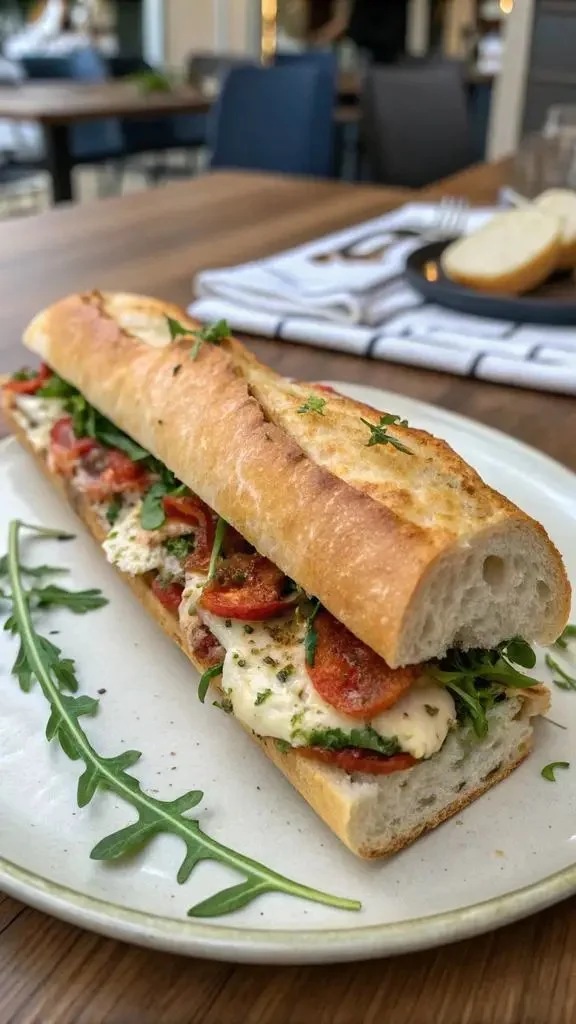
- Sandwiches: Make an open-faced roast beef or turkey sandwich with avocado and mustard for a satisfying lunch.
- Brunch: With eggs Benedict-style toppings or alongside an herb-flecked chèvre.
- Snack/Tea time: Lightly toasted, enjoy with a hot herbal tea or unsweetened coffee—if you’re looking for pairing inspiration that uses an air-fryer side, the crisp texture of these baguette slices complements crunchy sides like air-fryer roast potatoes.
Shelf Life & Storage
- Room temperature: Store well-wrapped (plastic-free wraps or an airtight container) for up to 2 days. The crust will soften a bit at room temp.
- Refrigerator: Keep in an airtight container for up to 5 days. Bring to room temperature or re-toast before serving to refresh the crust.
- Freezer: Wrap tightly in plastic wrap and foil, or store slices in a freezer bag; freeze up to 3 months. Thaw at room temperature and reheat in a 170°C (325°F) oven for 8–10 minutes to restore crispness.
Food-safety note: Because this loaf contains eggs, refrigerate if you plan to store it longer than 48 hours in warm climates.
Pro Tips & Tricks
- Texture key: Almond and coconut flours behave differently—almond gives richness, coconut adds structure. Balancing both keeps the crumb tender yet sliceable.
- Best almond flour: Use finely ground blanched almond flour for a light texture and pale crumb.
- Avoid sogginess: Don’t slice and store while still warm; wait until fully cooled to prevent steam from making the crust soft.
- Flavor boosters: Toast the almond flour lightly in a pan if you want a deeper nutty aroma (cool before using).
- Doneness cues: Deep golden color and a dry-sounding crust when tapped are better indicators than internal temperature for this type of loaf.
Creative Twists
- Herbed Garlic Baguette: Add 1–2 teaspoons garlic powder, 1 tablespoon chopped fresh rosemary, and a pinch of cracked black pepper to the dry ingredients for a savory loaf.
- Cheesy Pull-Apart: Fold 70–100 g grated aged cheddar into the dough before shaping (may need an extra minute or two of bake time).
- Seed-Crusted: Brush shaped loaves lightly with olive oil and roll in sesame, poppy, or flax seeds for a crunchy exterior.
- Lower-Egg Vegan-ish Version (experimental): Replace eggs with a flaxseed “egg” mixture and add 2 tablespoons psyllium husk; note texture will be denser, and results vary—best to test small batches.
- Sweet Variation: Add 1–2 tablespoons powdered erythritol and 1 teaspoon vanilla extract for a slightly sweet breakfast loaf; top with thin slices of butter for a comforting treat.
Recipe Q&A
Q: Can I make this recipe dairy-free?
A: Yes—this recipe is already dairy-free if you use olive oil or avocado oil. If you substitute butter, it will no longer be dairy-free.
Q: My loaf is dense and gummy inside—what happened?
A: Most often this occurs because the loaf was sliced before fully cooling or there wasn’t enough time in the oven to bake through. Ensure full cooling and check for a deep golden crust; consider adding 1 tablespoon psyllium to improve structure.
Q: Can I reduce the eggs?
A: Eggs contribute structure and moisture; reducing them will change the texture. If you must reduce, add 1 tablespoon psyllium or 15–30 g extra almond flour and beware of a drier crumb.
Q: Is this suitable for strict keto?
A: With about 7 g net carbs per serving (estimated), this can fit into many ketogenic plans if you keep portions controlled and account for other daily carbs.
Q: How can I re-crisp slices after refrigeration?
A: Toast in a toaster, or reheat in a 170°C (325°F) oven for 6–8 minutes until crisp.
Conclusion
This Ketogenic French Baguette proves that low-carb baking can be both comforting and impressive: a golden crust, satisfying crumb, and a flavor profile that invites repeat slices. Try shaping the loaves in different widths to experiment with crust-to-crumb ratio, and don’t forget to let them cool fully before slicing for the best texture. Share your results and adaptations—your tweaks may inspire someone else’s next favorite loaf.
For seasonal inspiration and style-forward lifestyle ideas that can spark new entertaining concepts, check out Moda’s lifestyle and inspiration pages, and for ideas on plating and presentation trends that make simple dishes feel special, explore Moda’s seasonal trends and entertaining features.