Dish Snapshot
Prep Time: 10 minutes
Cook Time: 0 minutes (resting time 10–15 minutes optional)
Total Time: 20–25 minutes (including resting)
Servings: 4 side-dish servings
Difficulty Level: Easy — perfect for cooks of any skill level
Introduction
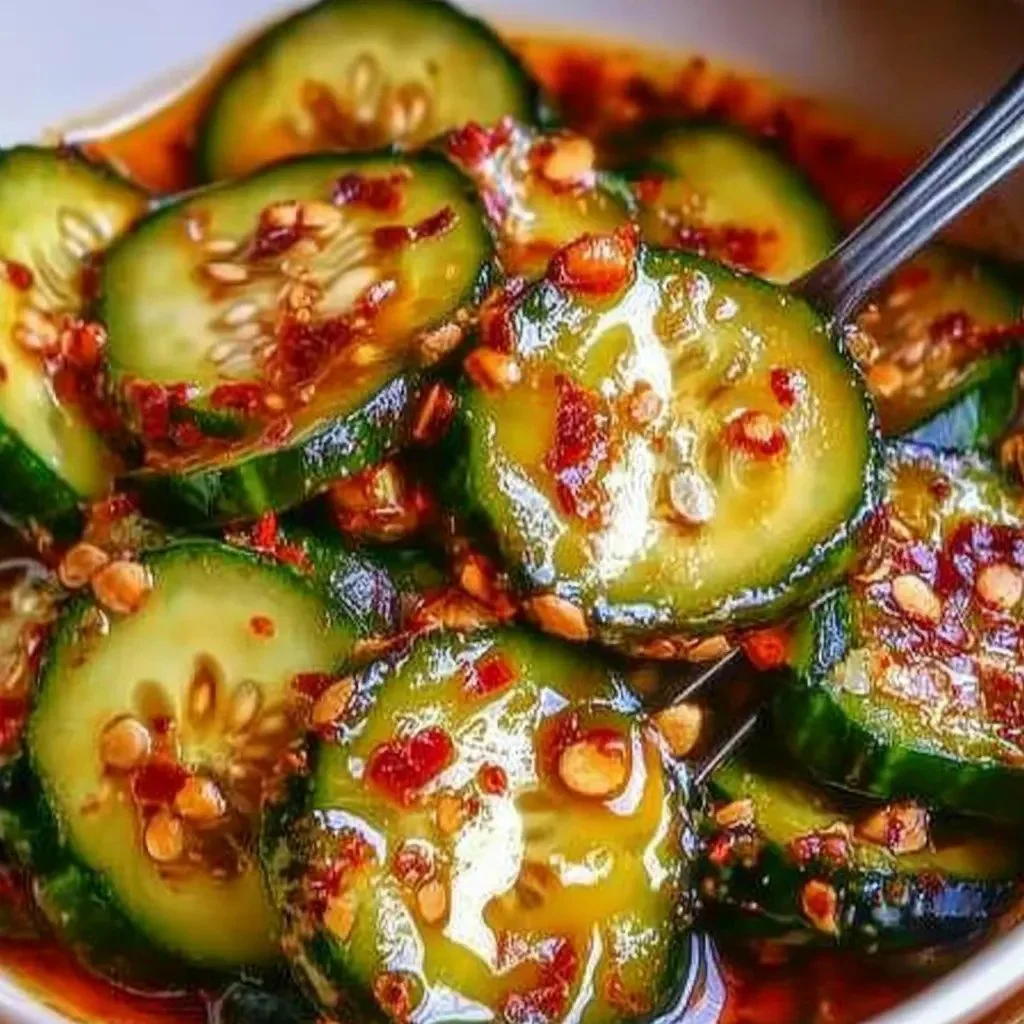
Imagine a bowl of cool, crunchy cucumber ribbons glistening with sesame oil, bright with rice vinegar, and carrying a slow, pleasant heat from gochugaru that wakes your palate. The aroma of toasted sesame and a faint whiff of garlic tease the senses before the first bite: snap and juiciness, then a balanced trio of tang, savory umami, and a whisper of sweetness. This Korean cucumber salad (Oi Muchim) is light yet deeply satisfying — a textural and flavor counterpoint that elevates everything from weeknight bowls to celebratory spreads.
It’s the kind of side that feels at home on hot afternoons, pairs beautifully with rich mains at family gatherings, and brings a refreshing contrast to comfort-food breakfasts. If you love quick, crowd-pleasing sides that balance texture and bold flavor — much like a good banana bread pairs with tea — try pairing it with a slice of something sweet and nearby, such as this delightful recipe: banana bread caramel swirl.
Nutrition Highlights
Estimated nutrition per serving (recipe makes 4 servings). These are approximate values calculated from USDA food composition data and rounded for clarity; actual values depend on specific ingredient brands and whether you rinse the salted cucumbers. For context, health guidance on sodium intake is available from organizations like the CDC and the American Heart Association.
- Calories: ~85 kcal
- Protein: ~2 g
- Carbohydrates: ~8 g
- Sugars: ~2 g
- Fiber: ~1 g
- Fat: ~5 g
- Saturated fat: ~0.7 g
- Sodium: ~400–450 mg per serving (using low-sodium soy sauce and rinsing/draining salted cucumbers). If you use regular soy sauce and keep all the added salt, sodium may exceed 1,000 mg per serving.
Notes: Cucumbers are very low in calories and high in water content, making this a hydrating, low-calorie side. The largest calorie contributor is the sesame oil and seeds; reduce oil to lower calories. For sodium-conscious eaters, use low-sodium soy sauce or reduce added salt and rinse the cucumbers after salting.
Why You’ll Love It
- A burst of contrast: The salad delivers crunch, bright acidity, toasty sesame, and a gentle heat — all in one quick bowl.
- Speed and simplicity: From cutting board to table in about 20 minutes; no cooking required.
- Crowd-pleasing and versatile: It complements grilled meats, rice bowls, fried foods, and noodle dishes, and it’s an instant refresh when you want something light and flavorful.
- Healthy and hydrating: With cucumbers as the base, it’s low in calories and high in moisture — ideal for warm-weather menus or to add some crunch to comfort meals.
How to Make Korean Cucumber Salad: An Incredible Ultimate Recipe for an Amazing Side Dish
Ingredients
- 2 large cucumbers (Korean or Persian), about 600 g total
- 1 teaspoon coarse salt (for drawing out water)
- 2 tablespoons rice vinegar
- 1 tablespoon soy sauce (low-sodium recommended)
- 1 tablespoon chili flakes (or gochugaru for authentic flavor)
- 1 teaspoon granulated sugar (or honey)
- 1 tablespoon sesame oil
- 1 tablespoon toasted sesame seeds
- 2 green onions, finely chopped
- 1 garlic clove, minced (optional)
Optional ingredients & substitutions
- Use 1 tablespoon gochujang thinned with 1 teaspoon rice vinegar for a saucier, sweeter version.
- Substitute tamari for soy sauce to make it gluten-free.
- Add 1 teaspoon toasted white sesame seeds + 1 teaspoon black sesame seeds for color.
- Include 1 small julienned carrot for extra color and sweetness.
- For a gentler heat, use 1/2 tablespoon crushed red pepper instead of a full tablespoon.
Making Korean Cucumber Salad involves the following simple steps:
- Prepare the cucumbers: Slice cucumbers thinly — bias slices or coins both work, but thin long slices or ribbons improve texture. Place them in a bowl and toss with 1 teaspoon salt. Let sit 8–10 minutes to draw out excess water.
- Rinse and drain: After salting, rinse cucumbers under cold water to remove excess salt, then squeeze gently or press through a colander to remove excess liquid. Dry lightly with a paper towel. (This step prevents the salad from becoming watery and reduces overall sodium.)
- Make the dressing: In a small bowl, whisk together rice vinegar, soy sauce, chili flakes (or gochugaru), sugar, and minced garlic (if using) until sugar dissolves.
- Combine: Toss the drained cucumbers with the dressing, then add sesame oil, sesame seeds, and chopped green onions. Mix gently to coat evenly — avoid overmixing to keep the cucumbers crisp.
- Rest (optional): Let the salad sit 5–10 minutes for flavors to meld. Taste and adjust seasoning: add more vinegar for brightness, more sugar if you want sweetness, or more chili for heat.
- Serve immediately or refrigerate for up to a few hours for a chilled side.
Practical tips
- Avoid over-salting; most of the salt used to draw out moisture will be rinsed away.
- If your cucumbers are watery even after draining, press them between paper towels before dressing.
- Toast sesame seeds lightly in a dry pan for 1–2 minutes until aromatic — it transforms the flavor.
Best Pairings
- With Korean mains: kimchi fried rice, bulgogi, or spicy pork bowls — the salad’s cool brightness balances rich, savory mains.
- As part of a picnic or potluck: pair it with grilled chicken skewers or cold noodle salads for an easy spread.
- As a light snack or starter: serve with warm steamed rice or millet and a soft-boiled egg for a quick meal.
- Baking crossover: try serving it alongside citrusy or nutty bakes — for an unexpected contrast, place it next to a slice of lemony banana bread like this banana bread with lemon glaze.
Presentation tips
- Serve in a shallow bowl with a sprinkle of extra sesame seeds and a few whole torn green onion tops.
- Add a few toasted sesame halves or thin chili threads on top for an elevated look.
Keeping it Fresh
Room temperature: Not recommended for more than 2 hours (salad contains soy sauce and oil and is best kept cool).
Refrigeration: Store in an airtight container for 2–3 days. Cucumbers will slowly soften; for best texture, eat within 24–48 hours.
Freezer: Not suitable — cucumbers become mushy when frozen.
Storing tips
- Keep the dressing separate if you plan to store longer; dress just before serving to preserve crunch.
- Place a paper towel in the container to absorb excess moisture and extend crispness by several hours.
Pro Tips & Tricks
- Slice uniformly: Use a mandoline or a sharp knife to get even slices — uniform thickness keeps the salad crisp and pleasant to eat.
- Control the heat: Gochugaru provides bright, aromatic heat; if using generic red pepper flakes, start with 1/2 tablespoon and adjust.
- Toast your sesame: Toasting sesame seeds and even the sesame oil (briefly, off-heat) deepens the nutty flavor — but don’t burn them.
- Texture balance: If you want extra crunch, add a handful of thinly sliced radish or water chestnuts right before serving.
- Salt management: Salt to draw moisture, then rinse — or skip the salting step entirely if your cucumbers are very firm and thinly sliced.
Creative Twists
- Spicy-sweet cucumber salad: Add 1 tablespoon honey and 1 teaspoon gochujang for a glossy, sweeter dressing that clings to the slices.
- Creamy sesame variation (vegan-friendly): Whisk 2 tablespoons tahini with rice vinegar, a little water, and a splash of soy sauce for a creamy dressing. Add a touch more chili for contrast.
- Herb-forward green: Fold in chopped cilantro or mint and a squeeze of lime instead of rice vinegar for a fresh, herbaceous twist.
- Crunch upgrade: Mix in 2 tablespoons toasted peanuts or crushed roasted sunflower seeds for a crunchy, nutty note (note: this adds calories and allergens).
Common Questions & Answers
Q: Can I use regular cucumbers instead of Korean/Persian cucumbers?
A: Yes — English or other garden cucumbers work fine. Seeded or large slicing cucumbers may be waterier; remove seeds and salt a little longer if needed.
Q: How can I reduce sodium without losing flavor?
A: Use low-sodium soy sauce, rinse the salted cucumbers thoroughly, and use a little extra rice vinegar and sesame oil to boost flavor without added salt.
Q: Will the salad get soggy if I make it ahead?
A: Yes, cucumbers soften over time. For best texture, dress just before serving or keep dressing separate and combine up to 30 minutes before eating.
Q: Is this salad vegan and gluten-free?
A: It is vegan if you use sugar free of bone char (most are vegan) and no honey. For gluten-free, use tamari or a certified gluten-free soy sauce.
Q: What if my cucumbers taste too salty after dressing?
A: Rinse them under cold water briefly and drain; then re-taste and rebalance with a touch more vinegar or sesame oil.
Conclusion
This Korean cucumber salad (Oi Muchim) is a quick, flavor-forward side that brightens heavy meals, refreshes warm afternoons, and performs beautifully at gatherings. Try the basic recipe as written, then experiment with the creative twists to make it your own. If you enjoyed the balance of sweet, savory, and tang here, you might appreciate a collection of plant-forward salads for more inspiration — check out this inspiring roundup of recipes at 30 Sublime Vegan Salad Recipes – Rainbow Plant Life. To learn more about the traditional Korean preparation of Oi Muchim and variations, see the classic take at Korean Cucumber Salad (Oi Muchim).
Try it tonight, leave a comment with your tweaks, and share a photo — I love seeing how you make these recipes your own.