
Melt-in-Your-Mouth Cake: A Simple Delight That Costs Next to Nothing
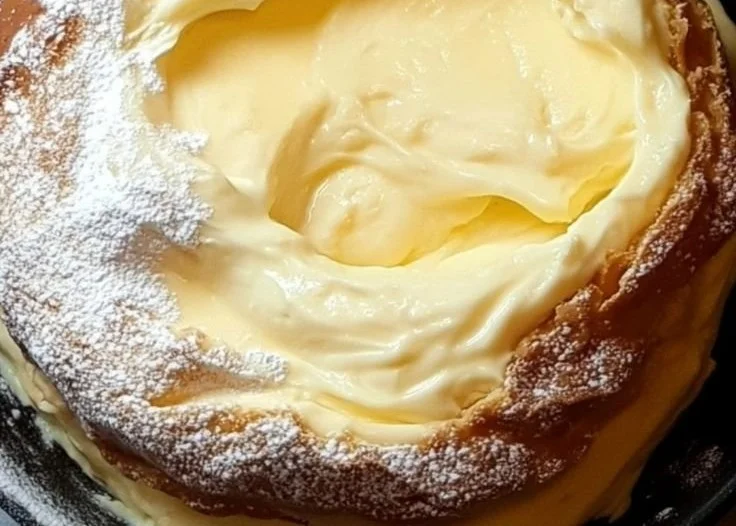
There’s a particular kind of comfort that arrives on the first bite of this cake: a whisper of warm butter, a pillow-soft crumb that gently dissolves on the tongue, and a subtle vanilla-scented cream that lingers like a fond memory. Imagine the kitchen filled with the gentle steam of milk and sugar, the air fragrant with baked butter and a hint of caramel at the edges — that’s the mood this recipe sets. It’s an easy-to-love cake that feels indulgent without demanding a fancy ingredient list or hours in the oven.
This cake is perfect for slow weekend breakfasts with a cup of coffee, for lifting the mood of an impromptu visit from a neighbor, or as an accessible showstopper for holiday gatherings. It’s forgiving for bakers who want a reliable result, economical enough to make regularly, and friendly to adaptations when you want to experiment. If you’re the kind of cook who values both nostalgia and simplicity, this recipe will quickly become a staple. For more savory comfort dishes to pair with a relaxed breakfast spread, try this bacon potato frittata — it’s a great salty counterpoint to the cake’s sweetness.
At a glance
- Prep Time: 20 minutes
- Cook Time: 30–35 minutes (for cake layers) + 10 minutes (for custard/thickening)
- Total Time: ~1 hour (including cooling)
- Servings: 8 generous slices
- Difficulty Level: Easy–Intermediate (mostly hands-off baking and simple stovetop custard)
Nutrition Highlights
Estimated nutrition per serving (1 of 8 slices)
- Calories: ~520 kcal
- Protein: ~10 g
- Carbohydrates: ~46 g
- Fat: ~32 g
- Fiber: ~1 g
- Sodium: variable depending on added salt
Notes on these numbers:
- These values are estimates calculated from common nutrition profiles for the listed ingredients and represent a typical recipe yield of eight servings. Source references for ingredient nutrition include USDA FoodData Central and other government nutrition databases; individual results will vary based on brand choices and exact portion sizes. If you need precise values for dietary reasons, weigh your final portions and consult an official database or nutritionist.
Why You’ll Love It
- Comforting flavor and irresistible texture: The cake’s soft crumb and buttery richness pair with a smooth, lightly sweet cream that makes every mouthful feel special.
- Economical and accessible: The ingredient list is short and uses pantry staples — excellent when you want something delicious but inexpensive.
- Social and nostalgic: This style of cake evokes home baking and is perfect for family gatherings, potlucks, or when you want to gift something homemade.
- Versatile: Serve it plain for tea, dress it up with fruit for celebrations, or customize it to dietary needs (see variations below).
Method & Process
Ingredients
-
For the sponge cake:
- 150 grams (1 ¼ cups) all-purpose flour
- 50 grams (¼ cup) granulated sugar
- 80 grams (⅓ cup) unsalted butter, melted and cooled
- 4 large eggs, room temperature
- 100 ml (½ cup) milk
- 1 teaspoon baking powder
- ½ teaspoon salt
- 1 teaspoon vanilla extract (optional)
-
For the cream filling / custard:
- 500 ml (2 cups) whole milk
- 100 grams (½ cup) granulated sugar
- 2 large eggs
- 100 grams (¾ cup) all-purpose flour (used here as a thickener; you may substitute cornstarch — see substitutions)
- 1 teaspoon vanilla extract
-
For the buttercream finish (to make it extra melt-in-your-mouth):
- 180 grams (¾ cup) unsalted butter, softened
- Icing sugar or powdered sugar for dusting or light garnish
Optional ingredients and substitutions:
- Replace some or all milk with buttermilk or yogurt for a tangier crumb.
- Use cornstarch (60–70 g) instead of flour in the custard for a silkier texture.
- For a dairy-free version, use plant-based milk and vegan butter (see Variations).
- Add 1–2 tablespoons of lemon zest or 1 teaspoon almond extract for flavor twists.
Preparation workflow
- Preparing the Dough (sponge)
- Making the Cream Filling (custard)
- Assembling the Cake (layering + finishing)
Step-by-step instructions
-
Prep and oven:
- Preheat your oven to 180°C (350°F). Grease and line an 8- or 9-inch (20–23 cm) round cake pan, or split into two smaller pans if you prefer layered assembly.
-
Make the sponge batter:
- In a mixing bowl, whisk the 4 eggs with 50 g sugar until smooth and slightly thickened.
- Stir in the melted butter, milk, and vanilla.
- Sift together 150 g flour, 1 tsp baking powder, and ½ tsp salt. Fold the dry ingredients into the wet mixture gently until just combined — avoid overmixing to keep the cake tender.
-
Bake:
- Pour batter into the prepared pan(s), smooth the top, and bake 25–30 minutes, or until a toothpick inserted in the center comes out clean and the top is golden.
- Allow the cake to cool in pan for 10 minutes, then transfer to a rack to cool completely.
-
Make the custard filling:
- In a saucepan, warm 500 ml milk over medium heat until just simmering, removing from heat once small bubbles form at the edge.
- In a separate bowl, whisk 2 eggs with 100 g sugar until combined. Gradually whisk in 100 g flour (or cornstarch if using); the mix will be thick.
- Temper the egg mixture by slowly adding a ladle of warm milk while whisking constantly to avoid curdling.
- Return the combined mixture to the saucepan and cook over medium-low heat, whisking steadily until it thickens to a pudding-like consistency (about 2–4 minutes). Remove from heat and stir in vanilla.
- Let the custard cool to room temperature, stirring occasionally to release steam. For an even silkier finish, press it through a fine sieve before cooling.
-
Prepare buttercream (optional, for extra richness):
- Beat 180 g softened butter until light and fluffy. Gradually beat in cooled custard (a few tablespoons at a time) until smooth and spreadable. This transforms the custard into a luscious filling that stays stable between layers.
-
Assemble the cake:
- If you baked one thicker cake, slice it horizontally into two even layers using a serrated knife. Spread a generous layer of the custard/buttercream between layers. Stack and press gently.
- Smooth the top and sides with remaining buttercream, or keep the exterior simple and dust with icing sugar.
- Chill for 30–60 minutes to help the filling set before slicing cleanly.
Practical tips
- Avoid overmixing the sponge batter; it keeps the cake tender and melt-in-the-mouth.
- Temper eggs for the custard to prevent scrambling.
- To check doneness of cake layers, look for a pale golden color and a springy center; a toothpick should come out mostly clean.
- Cool the custard fully before combining with butter to avoid melting the butter and producing a greasy filling.
Best Pairings
- Simple pairings:
- A steaming cup of black coffee or Earl Grey tea provides a lovely contrast to the cake’s sweetness.
- Fresh berries or a berry compote cut through the richness and add freshness.
- Savory balance:
- Serve with a lightly salted cheese board or prosciutto for an elegant sweet-salty spread.
- Brunch pairing:
- Pair slices with scrambled eggs or a savory tart; for a complementary recipe try these baked feta eggs with tomatoes & spinach, which create a balanced brunch plate.
- Presentation tips:
- Dust with icing sugar, scatter edible flowers, or top with thinly sliced almonds for texture contrast.
Storage Instructions
- Room temperature: Store tightly covered at room temperature for up to 1 day (custard-filled cakes do best chilled, so if allowing for several hours it’s fine).
- Refrigeration: Keep in an airtight container or wrapped in plastic wrap for 3–4 days. The custard and buttercream benefit from refrigeration; bring to room temperature 20–30 minutes before serving to restore softness.
- Freezer: It’s possible to freeze the unassembled sponge layers for up to 2 months wrapped tightly in plastic and foil. Custard-filled assembled cakes don’t freeze well due to textural changes in the cream; instead, freeze sponge and prepare custard fresh.
Chef’s Advice
- Ingredient temperatures matter: Room-temperature eggs and milk incorporate more smoothly and trap less air that could deflate in the oven.
- For an ultra-fine crumb, sift flour and measure by weight.
- If your custard is slightly lumpy, whisk vigorously off the heat and pass through a fine mesh sieve — the texture will be rescued.
- Want extra softness? Replace 1–2 tablespoons of the flour with cornstarch in the sponge for a more tender crumb.
- If the buttercream appears separated, chill briefly and rewhip; gradual addition of custard to butter prevents split mixtures.
Creative Twists
- Vegan option:
- Use 3/4 cup mashed silken tofu or applesauce and 2 tablespoons plant oil in place of eggs; use vegan butter and plant milk for the custard (thicken with cornstarch).
- Gluten-free:
- Substitute a 1:1 gluten-free baking mix for flour. Use cornstarch or a certified gluten-free thickener for the custard.
- Citrus almond:
- Fold 1–2 teaspoons lemon zest into the sponge and replace 50 g flour in the cake with finely ground almond flour for extra richness.
- Chocolate-hazelnut:
- Fold 30–50 g melted dark chocolate into the sponge batter and sprinkle toasted hazelnuts between layers.
- Lighter option:
- Replace half the butter in the finishing cream with whipped cream (stabilized with a spoonful of powdered sugar) for a lighter filling.
All Your Questions Answered
Q: Can I make this cake without eggs?
A: Yes — see the vegan option above. Texture will differ slightly (a bit denser) but it’s still delicious.
Q: I overcooked the custard and it became grainy. Can I fix it?
A: Try whisking energetically off the heat and straining through a fine sieve. If it’s very grainy, repurposing it as a trifle layer or mixing into whipped cream can rescue the flavor.
Q: How can I reduce sugar without losing structure?
A: Reduce sugar by up to 25% in the sponge and custard. If you need a lower-sugar option, consider natural sweeteners like erythritol blends (test amounts per manufacturer guidance) and taste as you go.
Q: Can I make this ahead for a party?
A: Yes. Bake and cool the sponge 1–2 days ahead (wrap well), make the custard a day ahead and assemble the day of for best texture. Fully assembled, the cake keeps 3–4 days refrigerated.
Q: My cake is dense — what happened?
A: Likely overmixing the batter or using old baking powder. Make sure baking powder is fresh and fold the dry ingredients just until combined.
Conclusion
This melt-in-your-mouth cake proves that a special, memorable dessert doesn’t need to be complicated or expensive. With simple pantry ingredients and a few careful steps, you’ll have a tender, buttery cake with a silky cream that’s perfect for everyday treats and special moments alike. For more inspiration and similar thrifty-yet-delicious creations, see this classic Melt-in-your-mouth cake recipe costs almost nothing and is super …, and if you’re exploring nut-forward, flourless options, check out this lovely Flourless Almond Cake | Love and Olive Oil recipe for a naturally gluten-free alternative.
If you try the recipe, please share your photos and notes — I love hearing how people adapt it to their kitchens and occasions.
Print
Melt-in-Your-Mouth Cake
- Total Time: 60 minutes
- Yield: 8 servings 1x
- Diet: Vegetarian
Description
A simple yet delightful cake that melts in your mouth, perfect for gatherings or a relaxed breakfast with coffee.
Ingredients
- 150 grams (1 ¼ cups) all-purpose flour
- 50 grams (¼ cup) granulated sugar
- 80 grams (⅓ cup) unsalted butter, melted and cooled
- 4 large eggs, room temperature
- 100 ml (½ cup) milk
- 1 teaspoon baking powder
- ½ teaspoon salt
- 1 teaspoon vanilla extract (optional)
- 500 ml (2 cups) whole milk (for custard)
- 100 grams (½ cup) granulated sugar (for custard)
- 2 large eggs (for custard)
- 100 grams (¾ cup) all-purpose flour (for custard)
- 1 teaspoon vanilla extract (for custard)
- 180 grams (¾ cup) unsalted butter (for buttercream finish)
- Icing sugar or powdered sugar (for dusting)
Instructions
- Preheat your oven to 180°C (350°F) and grease and line an 8- or 9-inch round cake pan.
- In a mixing bowl, whisk the eggs with sugar until smooth and slightly thickened, then stir in the melted butter, milk, and vanilla.
- Sift together the flour, baking powder, and salt, then fold the dry ingredients into the wet mixture gently until just combined.
- Pour batter into the prepared pan(s) and bake for 25–30 minutes until a toothpick comes out clean. Cool in the pan for 10 minutes, then transfer to a wire rack to cool completely.
- For the custard, warm the milk over medium heat until simmering. In a bowl, whisk eggs with sugar and flour until thick, then gradually add warm milk to temper the eggs.
- Return the mixture to the saucepan and heat while whisking until thickened. Stir in vanilla and let cool.
- For the buttercream, beat softened butter until fluffy, then gradually beat in the cooled custard until smooth.
- Slice the cooled cake layers, spread custard/buttercream between layers, and chill for 30–60 minutes before serving.
Notes
Store at room temperature for up to 1 day. Refrigerate for 3-4 days or freeze unassembled sponge layers for up to 2 months.
- Prep Time: 20 minutes
- Cook Time: 40 minutes
- Category: Dessert
- Method: Baking
- Cuisine: American
Nutrition
- Serving Size: 1 slice
- Calories: 520
- Sugar: 36g
- Sodium: 120mg
- Fat: 32g
- Saturated Fat: 20g
- Unsaturated Fat: 10g
- Trans Fat: 0g
- Carbohydrates: 46g
- Fiber: 1g
- Protein: 10g
- Cholesterol: 145mg