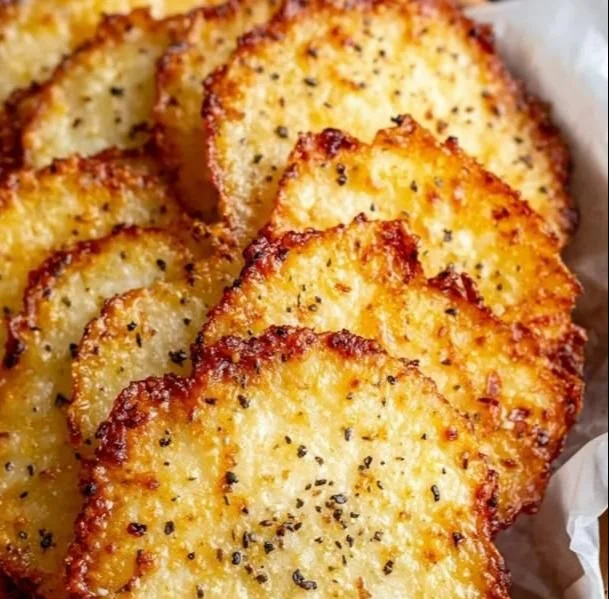
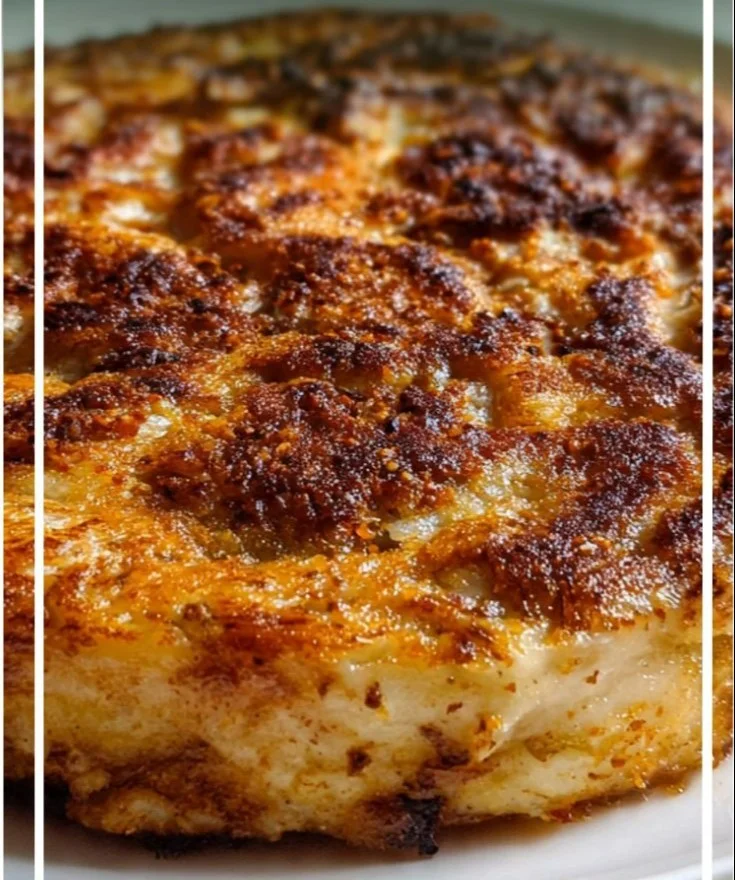
Aghroum Lahwal — literally "The Path of Laughter" — is a humble, joyful flatbread with a comforting soul. Straight from a warm skillet, each round releases the faint, toasty aroma of semolina kissed by olive oil. The first bite is a study in contrasts: crisp, golden edges give way to a tender, slightly chewy interior that soaks up dips and broths like it was born to. Its flavor is gently nutty from the semolina, the olive oil leaves a soft fruity note, and a whisper of salt makes every tiny crevice sing.
This is a recipe that invites closeness — perfect for bright, cozy mornings with tea; for casual gatherings where everyone passes around plates and stories; as a quick, satisfying snack between errands; or tucked into festive spreads where simple, rustic breads anchor richer dishes. It’s approachable enough for a weekday experiment and charming enough for weekend company. In short: warm, simple, and delicious — and it always prompts conversation (and laughter).
At a Glance
- Prep time: 10 minutes (plus 30 minutes resting)
- Cook time: 10–15 minutes
- Total time: about 55 minutes (including rest)
- Servings: 8 small to medium flatbreads
- Difficulty: Easy — beginner friendly
Nutrition Highlights
The following values are approximate per serving (recipe divided into 8 servings). Nutrient estimates were calculated using USDA FoodData Central values for semolina and olive oil; consult a registered dietitian for precise needs.
- Calories: ~213 kcal
- Protein: ~5.4 g
- Carbohydrates: ~30.6 g
- Fat: ~7.4 g
- Fiber: ~1.7 g
- Sodium: ~290 mg (from 1 teaspoon salt divided across 8 servings)
Notes:
- These are estimates for the basic recipe (semolina + olive oil + water + salt) and will vary if you add fillings, cheeses, or dips.
- For context, the CDC recommends keeping daily sodium intake under 2,300 mg for most adults, so one serving contributes roughly 12–13% of that guideline.
Why You’ll Love It
- Comfort and aroma: The toasty, warm scent of semolina frying in a little olive oil is nostalgic and inherently comforting. It signals home.
- Sociable and shared: These flatbreads are perfect for passing around a plate at the table — each person can customize with dips, cheeses, or spreads, making them a social centerpiece.
- Speed + minimal ingredients: With only four pantry staples, you can pull these together quickly. The dough rests briefly while you prep other items.
- Versatility: Serve them plain, stuffed, dipped, or used as a scoop — they work across breakfasts, lunches, and snacks.
- Tradition and story: The name — The Path of Laughter — evokes convivial moments and the cultural warmth that accompanies shared food.
Preparation Guide
Ingredients
- 2 cups fine semolina (about 340 g)
- 1 cup warm water (about 240 ml), adjust as needed
- 1/4 cup olive oil (60 ml / about 4 tbsp)
- 1 teaspoon salt
Optional ingredients / substitutions
- 1–2 tablespoons chopped fresh herbs (parsley, cilantro, or chives) — fold into dough for a herby version
- 1/4 cup plain yogurt — replace 1/4 cup warm water for a softer, slightly tangy crumb
- For a richer bread: replace 1 tbsp olive oil with melted butter or ghee
- Gluten-free alternative: this recipe is traditionally wheat-based; for a gluten-free flatbread with a similar texture, try a chickpea flour-based recipe (note: proportions and method will differ)
- Spices: 1/2 teaspoon ground cumin, za’atar, or crushed red pepper for flavor variations
Step-by-step instructions
- In a large bowl, mix the semolina and salt together.
- Gradually add the warm water and olive oil, mixing until a dough forms.
- Knead the dough on a floured surface for about 5 minutes until smooth.
- Cover and let it rest for 30 minutes.
- Divide the dough into small balls and roll each ball into a flat disc.
- Heat a skillet over medium heat and cook each disc for about 2–3 minutes on each side until golden and crispy.
- Serve warm with dips or soups.
Practical tips while making:
- Start with the listed water amount, but add a tablespoon at a time if the dough feels too dry; semolina absorbs at different rates.
- Knead until smooth but not overly elastic — overworking can make the discs tough.
- Resting the dough allows semolina to hydrate and produces a tender interior.
- Use a dry, well-heated skillet for the best golden crust. Cast iron or heavy-bottom pans work beautifully.
- Cook one test disc first to adjust heat and thickness; adjust stove temperature if the outside browns too quickly before the interior cooks.
Best Pairings
- Simple: Slather with butter or olive oil and a sprinkle of flaky sea salt for a classic treat.
- Dips: Hummus, tzatziki, muhammara, or baba ghanoush pair beautifully.
- Breakfast: Serve alongside strong tea or coffee with soft cheeses, olives, and sliced tomatoes.
- As a scoop: Use with hearty stews, lentil soups, chickpea tagines, or vegetable curries — the breads make excellent dunkers.
- Sandwich style: Fold around spiced roasted vegetables, grilled halloumi, or sliced roasted chicken for a casual handheld.
- For a festive table: Arrange on a platter with pickled vegetables, fresh herbs, and a selection of dips.
Shelf Life & Storage
- Room temperature: Keep in an airtight container or wrapped in a clean cloth and store up to 1–2 days. Best eaten same day while still warm or crisp.
- Refrigeration: Store in an airtight container for up to 4–5 days. Reheat gently in a skillet or oven to restore crispness.
- Freezer: Stack with parchment between rounds and freeze in a sealed bag for up to 2 months. Reheat from frozen in a skillet over low-medium heat, covered briefly to steam through, then finish uncovered to crisp.
Chef’s Advice
- Semolina quality matters: Choose fine semolina (not coarse) for the tender interior and easy shaping. Coarser semolina makes a grittier texture.
- Oil balance: Olive oil adds flavor and crispness; don’t skimp, but if you prefer lower fat, reduce slightly and replace with a touch of yogurt or extra water.
- Thickness rule: Roll discs about 3–4 mm thick for the ideal balance of crisp exterior and tender interior. Too thin = brittle; too thick = undercooked center.
- Don’t overcrowd the pan: Cook one or two at a time depending on pan size to maintain even heat.
- Reheating tip: Splash a few drops of water in a hot pan and cover for 30–45 seconds before finishing uncovered to revive softness without making them soggy.
Creative Twists
- Herb & Garlic Galettes: Fold 2 tablespoons minced parsley and 1 small grated garlic clove into the dough. After cooking, brush with olive oil and sprinkle with chopped herbs.
- Cheese-stuffed Version: Flatten balls, add a teaspoon of crumbled feta or ricotta in the center, fold and seal, then roll gently and cook — a satisfying, melty surprise.
- Spiced Harissa or Za’atar Flatbreads: Mix 1 teaspoon za’atar or 1 tablespoon harissa into the dough or brush on top with olive oil before cooking for an aromatic, regional twist.
- Whole-grain semolina: Replace half the semolina with whole-wheat flour for added fiber and a nuttier flavor (expect a denser crumb).
- Sweet variation: Add a tablespoon of sugar and a pinch of cinnamon to the dough, cook, and serve with honey and soft cheese for a dessert-style treat.
Recipe Q&A
Q: Can I make the dough ahead of time?
A: Yes — you can make and refrigerate the dough for up to 24 hours. Let it sit at room temperature 20–30 minutes before shaping and cooking.
Q: Why is my flatbread crumbly?
A: It may be too dry or under-kneaded. Add a teaspoon of water at a time while kneading and ensure you knead until the dough is cohesive and smooth.
Q: Can I use regular all-purpose flour instead of semolina?
A: You can, but the texture and flavor change. Semolina gives a characteristic nuttiness and slight chew not replicated by plain flour. Use an all-purpose flatbread recipe if you want a different result.
Q: How do I make them crispier?
A: Cook on slightly higher heat for a shorter time and finish with a light brush of oil. Avoid covering them while cooling, which can trap steam and soften the crust.
Q: Any low-sodium tips?
A: Reduce the added salt to 1/2 teaspoon and pair the breads with low-sodium dips and fillings. Fresh herbs and citrus can boost flavor without extra sodium.
Conclusion
Aghroum Lahwal is a small recipe with a big personality: minimal ingredients, maximum comfort. Gather friends or enjoy a quiet morning and let these warm, golden rounds remind you how joyful simple food can be. If you want inspiration or regional takes, see a practical home version at Galette Aux Herbes (Aghroum Lahwal) on Cookpad and a thoughtful, photographed recipe write-up at Galettes aux herbes kabyle (Aghroum Lahwal) – Safran et Potiron.
If you try this recipe, I’d love to hear how you served it and what made you laugh around the table — share your photos and tweaks in the comments or on social.
Print
Aghroum Lahwal (The Path of Laughter)
- Total Time: 55 minutes
- Yield: 8 flatbreads 1x
- Diet: Vegetarian
Description
A joyful flatbread that’s crisp on the edges and tender inside, perfect for dipping or eating with a variety of spreads.
Ingredients
- 2 cups fine semolina (about 340 g)
- 1 cup warm water (about 240 ml), adjust as needed
- 1/4 cup olive oil (60 ml / about 4 tbsp)
- 1 teaspoon salt
Instructions
- In a large bowl, mix the semolina and salt together.
- Gradually add the warm water and olive oil, mixing until a dough forms.
- Knead the dough on a floured surface for about 5 minutes until smooth.
- Cover and let it rest for 30 minutes.
- Divide the dough into small balls and roll each ball into a flat disc.
- Heat a skillet over medium heat and cook each disc for about 2–3 minutes on each side until golden and crispy.
- Serve warm with dips or soups.
Notes
For variations, consider adding herbs, spices, or using yogurt for a softer texture. Best served fresh.
- Prep Time: 40 minutes
- Cook Time: 15 minutes
- Category: Bread
- Method: Cooking
- Cuisine: Mediterranean
Nutrition
- Serving Size: 1 flatbread
- Calories: 213
- Sugar: 0g
- Sodium: 290mg
- Fat: 7.4g
- Saturated Fat: 1g
- Unsaturated Fat: 6g
- Trans Fat: 0g
- Carbohydrates: 30.6g
- Fiber: 1.7g
- Protein: 5.4g
- Cholesterol: 0mg