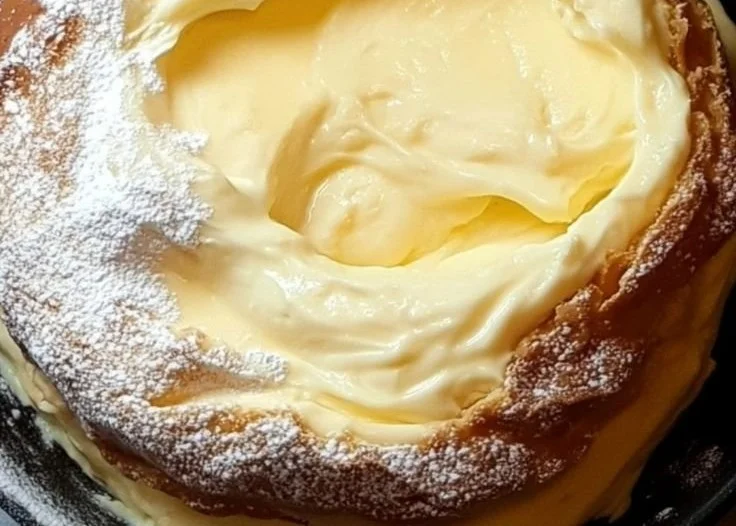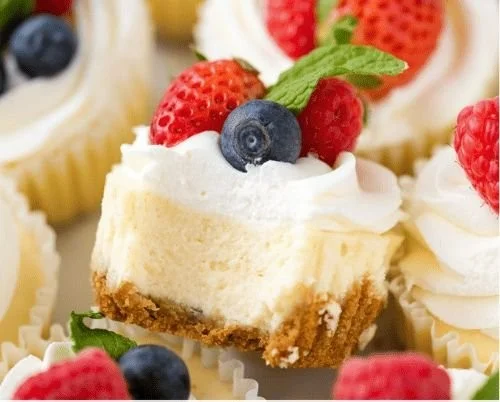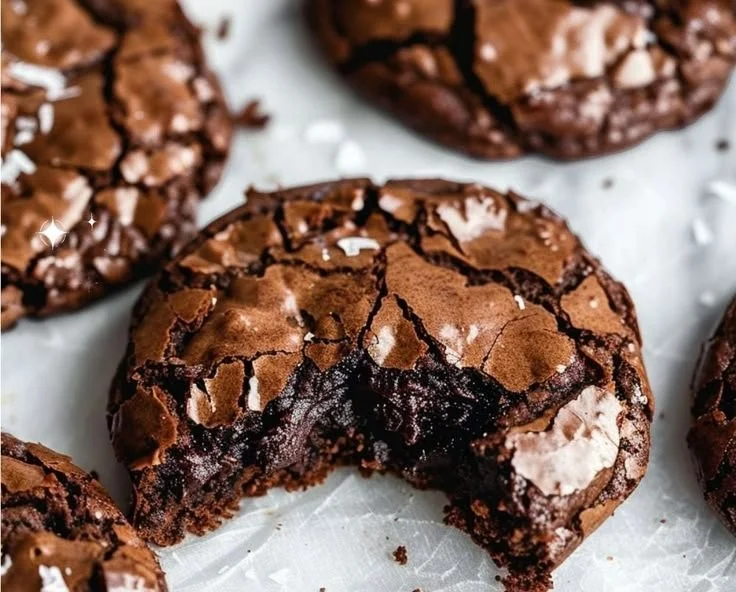
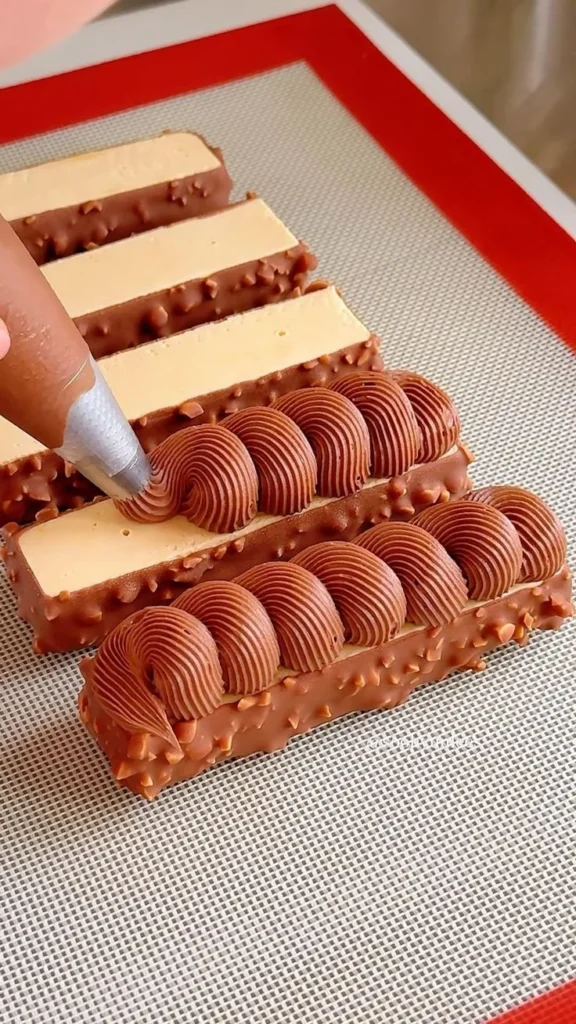
Peanut Butter Chocolate Mousse Cake — a slice of pure indulgence. Imagine the warm, nutty aroma of roasted peanuts mingling with deep, glossy chocolate; the first fork sinks through a delicate, almond-studded dacquoise into a pillowy cloud of peanut butter mousse, giving way to a molten ribbon of soft caramel and the irresistible crunch of feuilletine. Textures play a glorious duet: crisp and airy, creamy and dense, silky ganache and crunchy Rocher glaze. This cake feels like a celebration on the plate—comforting, decadent, and endlessly shareable.
Whether you’re marking a birthday, treating a weekend crowd, or simply answering a late-night chocolate-peanut craving, this cake shines. It’s show-stopping enough for festive tables, cozy enough for indulgent weekend breakfasts with coffee, and impressive for potlucks when you want to bring something people will remember. If you’re a fan of combining salty-sweet peanut butter with dark chocolate, you’ll find this recipe irresistible—and if you’d like a simpler ooey-gooey alternative, check out this inspired riff on a similar theme at ooey-gooey chocolate peanut butter cake for technique crossover and ideas.
Dish Snapshot
- Prep Time: 45 minutes active (plus chilling and cooling)
- Cook Time: 25–30 minutes (dacquoise) + 15 minutes (caramel) + 10 minutes (ganache) assembly time varies
- Total Time: ~4 hours (including chilling; overnight preferred)
- Servings: 12 slices
- Difficulty Level: Intermediate — requires multitasking and attention to texture but no advanced pastry equipment
Nutrition Highlights
Estimated nutrition per serving (1 of 12 slices). These values are approximations calculated from standard ingredient profiles and cross-checked against USDA FoodData Central and general guidance from Mayo Clinic on nutrient composition for common foods:
- Calories: ~840 kcal
- Total Fat: ~64 g
- Saturated Fat: ~28 g
- Cholesterol: ~110 mg
- Total Carbohydrates: ~70 g
- Sugars: ~48 g
- Dietary Fiber: ~3 g
- Protein: ~13 g
- Sodium: ~120 mg
Note: This cake is energy-dense and high in fat and sugars—perfect for special-occasion enjoyment rather than everyday eating. For more detailed nutrient data on individual ingredients, consult USDA FoodData Central or guidance from the Mayo Clinic.
Why You’ll Love It
- Flavor & Texture Highlights: The marriage of roasted peanut butter and dark chocolate satisfies both salty and sweet cravings; the contrast between featherlight dacquoise and luscious mousse gives each bite a layered, memorable experience.
- Social & Emotional Appeal: This cake is a crowd-pleaser that invites sharing—perfect for celebrations, family dinners, or evenings when you want to impress friends without fussy plating.
- Versatility: While decadent, the elements (caramel, mousse, ganache) can be prepared ahead; assembling the day before enhances flavor melding and presentation.
Step-by-Step Instructions
Ingredients (makes a 9–10 inch layered cake; 12 servings)
- For the dacquoise:
- 150 g ground almonds (almond flour)
- 150 g powdered sugar
- 4 large egg whites (about 120 g)
- 30 g granulated sugar
- Pinch of salt
- For the soft caramel:
- 120 g granulated sugar
- 60 g unsalted butter
- 120 ml heavy cream (room temperature)
- Pinch of sea salt
- For the feuilletine mix:
- 60 g feuilletine (crispy wafer flakes)*
- 40 g melted dark chocolate (to bind)
- For the peanut butter mousse:
- 300 g smooth peanut butter (preferably natural or creamy)
- 600 ml heavy cream (cold)
- 60 g powdered sugar (adjust to taste)
- 1 tsp vanilla extract
- For chocolate whipped ganache:
- 200 g dark chocolate (60–70% cocoa), chopped
- 200 ml heavy cream
- 30 g unsalted butter (optional, for shine)
- For Rocher-style glaze (finish):
- 150 g milk/dark chocolate
- 50 g finely chopped hazelnuts or hazelnut praline
- 30 g feuilletine (for extra crunch)
- Optional garnish:
- Whole roasted peanuts, sea salt flakes, chocolate shards
Optional ingredients and substitutions:
- Make it gluten-free: this base is generally gluten-free except for some feuilletine products—use gluten-free feuilletine or toasted rice crispies.
- Vegan option: replace cream with coconut cream, use vegan chocolate, and use a stabilized aquafaba mousse in place of dairy-based mousse (see variations).
- Swap nuts: use almond butter or hazelnut praline in place of peanut butter for a different profile.
- Lower sugar: reduce added sugar in mousse and caramel; note texture and stability may vary.
Method (numbered, detailed)
- Prepare the dacquoise by whipping egg whites and folding in ground nuts and sugar, then bake until lightly golden.
- Preheat oven to 180°C (350°F). Line a 9–10 inch springform or cake pan with parchment.
- Whip the egg whites with a pinch of salt until soft peaks form; add granulated sugar gradually until glossy stiff peaks.
- Fold together the powdered sugar and ground almonds gently, then fold into egg whites in two additions to keep air.
- Spread into the pan, smooth, and bake 18–22 minutes until lightly golden and set. Cool completely.
- Create a soft caramel and let it cool.
- In a heavy saucepan, melt sugar evenly until amber (do not stir; swirl pan to distribute).
- Remove from heat, whisk in butter until combined, then carefully add warm cream (mixture will bubble). Stir until smooth; cool to room temperature.
- Make the feuilletine and set aside.
- Mix feuilletine with melted chocolate to make a crunchy layer; spread thinly on parchment and chill to set.
- Prepare the peanut butter mousse by whipping cream and gently folding in peanut butter.
- Whip chilled heavy cream with powdered sugar and vanilla to medium peaks.
- Fold a few spoonfuls of whipped cream into room-temperature peanut butter to loosen, then fold the peanut butter mixture back into the remaining whipped cream gently to maintain volume.
- Chill briefly if too soft to layer.
- Assemble the cake by layering the dacquoise, caramel, feuilletine, and peanut butter mousse.
- If the dacquoise is domed, trim to level. Place dacquoise in springform; spread a thin layer of caramel, then sprinkle a feuilletine-chocolate crunch layer, then spoon or pipe peanut butter mousse evenly.
- Smooth the top and chill 1–3 hours to set (overnight for best slicing).
- Finish with a layer of chocolate whipped ganache and top with Rocher glaze.
- Heat cream until just simmering; pour over chopped dark chocolate and let sit 2 minutes, then whisk to make ganache. Cool until thickened, whip slightly to spreading consistency, and cover the mousse layer.
- For Rocher glaze, melt chocolate and mix with hazelnuts and feuilletine; spoon or pipe decorative rosettes or pour in the center for a textured finish.
- Chill before serving and enjoy!
- Chill at least 4 hours; remove springform 15 minutes before slicing for cleaner cuts. Serve with a sprinkle of sea salt or extra roasted peanuts.
Practical tips:
- Avoid overmixing the mousse—fold gently to preserve airiness.
- Check dacquoise doneness by a light golden color and a springy, set surface.
- If caramel is too firm after cooling, warm slightly to spread; if too thin, chill to thicken.
- Use a hot knife warmed in a mug of hot water, wiped dry, when slicing for neat pieces.
Presentation Tips
- Serve It Up: Slice with a warm, dry knife for clean edges; wipe blade between cuts.
- Best Pairings: Offers a lovely counterpoint to black coffee, espresso, or a robust porter beer; pair with intensely brewed tea (Assam) or a glass of tawny port.
- Garnish ideas: Scatter chopped roasted peanuts, a light dusting of cocoa, or place a small quenelle of extra mousse on each slice. For a café-style plate, add a smear of caramel and a few feuilletine shards for height.
Shelf Life & Storage
- Room temperature: Not recommended for more than a few hours (mousse and cream components are perishable).
- Refrigeration: Store covered in the refrigerator for up to 3 days. For best texture and flavor, consume within 48 hours.
- Freezer: You can freeze individual slices (well-wrapped in plastic and foil) for up to 2 months. Thaw in the refrigerator overnight; texture will be slightly different—ganache and mousse may lose some aeration.
Chef’s Advice
- Best types of peanut butter: Use a creamy, stable peanut butter without excessive oil separation for the smoothest mousse texture; natural brands work if stirred thoroughly and at room temperature.
- Texture keys: The success of this cake lies in retaining aeration in the dacquoise and mousse—fold ingredients gently and keep bowls and whisks cool for whipped cream.
- Doneness cues: Dacquoise should be dry to the touch and just golden; if it feels sticky, give it a few more minutes.
- Temperatures: Let hot elements (caramel, warm ganache) cool to lukewarm before layering on chilled mousse to avoid melting and weeping.
Creative Twists
- Vegan version: Replace heavy cream with whipped coconut cream, use a coconut-based ganache (coconut milk + vegan chocolate), and use aquafaba (chickpea brine) stabilized with cream of tartar in lieu of egg-white dacquoise. Use vegan feuilletine or toasted rice puffs.
- Gluten-free & nut-forward: Keep the dacquoise as-is (almond-based), but confirm feuilletine is gluten-free or swap for gluten-free crisp rice. Or use ground hazelnuts for a Ferrero-esque twist.
- Reese’s inspired: Stir in chopped Reese’s cups into the feuilletine layer and finish with a peanut butter-chocolate drizzle; reduce added sugar slightly to balance sweetness.
- Boozy boost: Add 1–2 tbsp of rum or bourbon to the caramel or ganache for grown-up warmth.
Recipe Q&A
Q: Can I make components ahead of time?
A: Yes—dacquoise and feuilletine can be made 1–2 days ahead; caramel keeps in the fridge for a week (reheat gently), and mousse is best assembled within 24 hours of serving.
Q: My mousse turned out runny—what went wrong?
A: Likely under-whipped cream or too-warm peanut butter. Chill your bowl and beaters, whip cream to medium peaks, and fold carefully. Also allow peanut butter to come to room temperature and incorporate a small stabilizer (1 tsp gelatin dissolved in water) if you need extra hold.
Q: Is this cake gluten-free?
A: Mostly yes, if using almond dacquoise and gluten-free feuilletine. Check all packaged ingredients (feuilletine, chocolate) for gluten-containing additives.
Q: How can I reduce calories or make it lighter?
A: Reduce amounts of heavy cream and caramel; use lower-fat dairy alternatives, swap some peanut butter for peanut butter powder reconstituted with less oil, and serve smaller slices. Note that texture and richness will change.
Q: Best way to get a perfect shiny ganache?
A: Use good-quality chocolate, warm cream (not boiling), and finish with a little cold butter for shine. Strain to remove any lumps before using.
Conclusion
This Peanut Butter Chocolate Mousse Cake balances textures and tastes in a way that feels both luxurious and comforting—perfect for celebrations or whenever you want a dessert that makes an impression. If you enjoyed this recipe and want more inspiration or variants, see this well-loved take on the theme at Peanut Butter Chocolate Mousse Cake – Life Love and Sugar and a Reese’s-style rendition at Peanut Butter Chocolate Mousse Cake – For Reeses Fans!. I’d love to hear how your cake turns out—snap a photo, leave a note, and join the conversation with fellow bakers.