Introduction
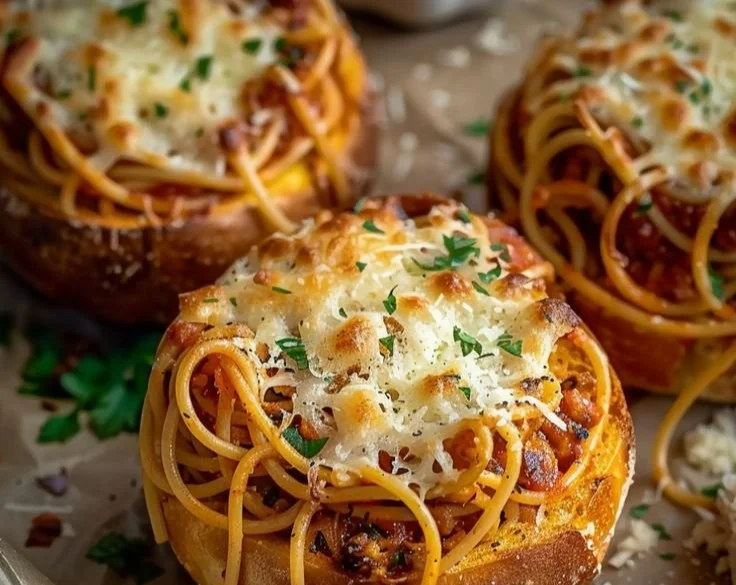
Close your eyes and imagine tearing into a crusty bread bowl to reveal a steaming nest of saucy spaghetti, the garlic-scented steam lifting toward your face. The first forkful delivers a comforting chorus: the tang of tomato, the mellow creaminess (or molten stretch) of melted cheese, the soft spring of al dente pasta, and the pleasantly chewy, olive-oil–kissed interior of bread that soaks up every savory drop. This is a recipe that smells like home and tastes like celebration: hands-on, soul-warming, and utterly satisfying.
Spaghetti Garlic Bread Bowls are perfect for cozy weeknight dinners, casual dinner parties where guests can dig in, or festive gatherings when you want to feed a crowd without fuss. They’re also a cheering option for colder months when you crave something hearty, or a nostalgic treat that brings family around the table. If you enjoy alternative preparations, you can compare this version with a different spin on spaghetti garlic bread bowls for more inspiration.
Dish Snapshot
- Prep Time: 15 minutes
- Cook Time: 20 minutes (plus 15 minutes baking)
- Total Time: ~50 minutes
- Servings: 4 bread bowls (serving size: 1 filled bread bowl)
- Difficulty Level: Easy — perfect for confident beginners or busy cooks wanting a crowd-pleaser
Nutrition Highlights
Estimated nutrition per serving (1 filled bread bowl). Values are approximations calculated from standard ingredient profiles and cross-checked against government nutrition databases (USDA FoodData Central) and guidance from reputable health sources (Mayo Clinic). Individual results will vary with exact brands, loaf size, cheese amounts, and optional add-ins.
- Calories: ~680–700 kcal
- Protein: ~25 g
- Carbohydrates: ~105–115 g
- Fat: ~18–22 g
- Saturated Fat: ~8–10 g
- Fiber: ~6–8 g
- Sodium: ~800–1,200 mg (depending on sauce and cheese)
Notes: These estimates assume a medium crusty loaf (~400 g), 8 oz (227 g) dry spaghetti, 2 cups jarred marinara, and ~1 cup shredded mozzarella for topping. For lower sodium, choose a low-sodium sauce and reduced-sodium cheese. For more accurate tracking, consult USDA FoodData Central for the brands you use and consider portion scales. (Sources: USDA FoodData Central; Mayo Clinic guidance on balanced meals.)
Why You’ll Love It
There’s a lot to love about Spaghetti Garlic Bread Bowls: the aroma of garlic and warm bread that practically pulls people into the kitchen, the casual, communal eating experience that sparks conversation, and the simplicity of turning pantry staples into something special. This dish taps into fond memories of shared pasta nights while adding an irresistible presentation twist. It’s quick enough for weeknights, indulgent enough for weekend guests, and flexible enough to accommodate vegetarians or add hearty proteins for more robust meals.
Step-by-Step Instructions
Ingredients
- 1 loaf crusty bread (approx. 12–16 oz / 350–450 g)
- 8 oz (227 g) dry spaghetti
- 2 cups (480 ml) pasta sauce (marinara or your choice)
- 2 tablespoons olive oil
- 4 cloves garlic, minced
- 1 teaspoon dried oregano
- Salt and freshly ground black pepper, to taste
- 1 cup shredded cheese (mozzarella or Parmesan mix) for topping
- Optional vegetables: 1 cup sliced mushrooms, 1 cup chopped bell pepper, or 2 cups fresh spinach
- Optional protein: cooked meatballs, Italian sausage, or canned white beans (for added protein)
Substitutions and optional ingredients
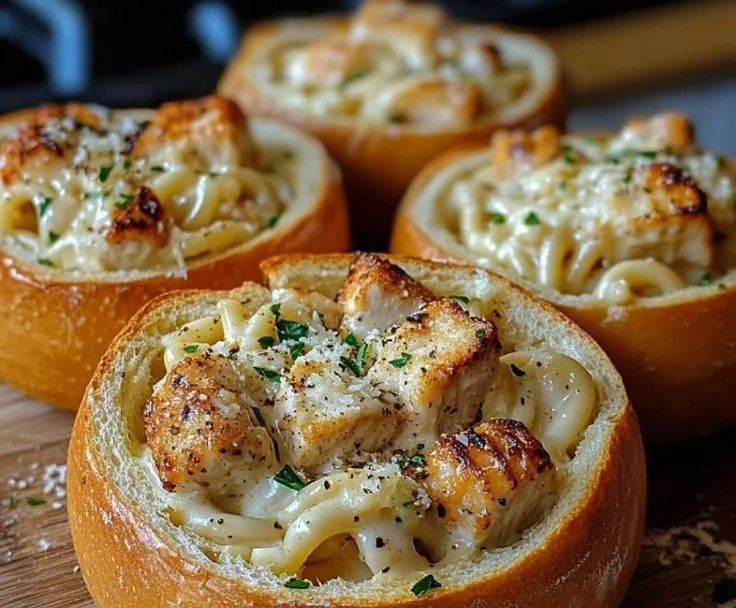
- For a creamy variation, swap marinara for 1 1/2 cups marinara + 1/2 cup Alfredo sauce.
- To keep it lighter, use whole-wheat or legume pasta and a smaller loaf or ciabatta rolls instead of a whole loaf.
- To make it vegan: use a plant-based cheese and olive oil instead of butter; choose a vegan jarred sauce.
Directions
- Preheat your oven to 375°F (190°C).
- Cook the spaghetti according to package instructions until al dente. Drain and set aside.
- In a large pan, heat the olive oil over medium heat and sauté the minced garlic until fragrant (about 30–45 seconds)—don’t let it brown.
- Add the cooked spaghetti and pasta sauce to the pan. Toss gently until all pasta is evenly coated. Stir in oregano and season with salt and pepper to taste. If using vegetables or pre-cooked proteins, fold them in now.
- Cut the top off the bread loaf and hollow out the inside, leaving a thick shell (about 1/2–3/4 inch of bread all around to hold the filling). Reserve any removed bread for breadcrumbs or croutons.
- Fill the hollowed bread bowls with the spaghetti mixture. Top generously with shredded cheese and any additional toppings.
- Place the filled bread bowls on a baking sheet and bake for about 15 minutes, or until the bread is golden and the cheese is bubbly and slightly browned.
- Remove from the oven, let rest 2–3 minutes, then serve warm and enjoy.
Practical tips:
- Avoid overmixing the spaghetti in the sauce to preserve al dente texture—combine gently.
- If your loaf is smaller, make individual mini bread bowls using round rolls; reduce bake time to 8–10 minutes.
- Check doneness by ensuring cheese is melted and bread is golden—internal temp of filling isn’t necessary if spaghetti is fully cooked beforehand.
- For a garlicky bread crust, drizzle the hollowed interior with a little olive oil and rub with a garlic clove before filling.
Best Pairings
- Serve with a crisp green salad dressed in lemon vinaigrette to cut through the richness.
- A side of roasted or steamed vegetables (broccolini, green beans) complements the meal.
- For beverages, try a light-bodied red wine (Chianti or Sangiovese), an Italian-style sparkling water with lemon, or even an iced tea for casual dinners.
- For breakfast-for-dinner fun, top leftover spaghetti bread bowls with a soft-poached egg.
Shelf Life & Storage
- Room temperature: Consume any assembled and baked bread bowls within 2 hours to avoid food-safety issues (perishable fillings). Unbaked, hollowed bread left at room temp is fine for a day but will stale.
- Refrigeration: Store leftovers in an airtight container or wrap tightly in foil for 3–4 days. Reheat in a 350°F (175°C) oven until warmed through to preserve texture, or microwave in short bursts (cheese may become rubbery).
- Freezer: You can freeze assembled (but unbaked) filled bread bowls wrapped tightly in foil for up to 2 months; thaw overnight in the fridge before baking. For best texture, flash-freeze the filling separately and bake fresh bread before assembling.
Pro Tips & Tricks
- Best bread: choose a dense, crusty loaf like sourdough boules or Italian country loaves — they hold filling without becoming soggy.
- Cheese choices: low-moisture mozzarella melts beautifully; for more umami, add a sprinkle of freshly grated Parmesan after baking.
- Texture control: don’t overfill the bread bowl—leave a small air gap near the top to avoid overflow and sogginess.
- Crisp shell: for extra crunch, brush the exterior of the bread with a little olive oil or garlic butter before baking.
- Doneness cue: look for cheese that’s bubbling and lightly golden; the bread exterior should be firm when pressed.
Creative Twists
- Vegan & hearty: Use chickpea or lentil spaghetti, a robust marinara, sautéed mushrooms and spinach, and a melting vegan cheese to create a plant-based version.
- Meat-lover’s bake: Fold in sliced Italian sausage or meatballs and a splash of cream for a richer sauce.
- Pesto swap: Replace marinara with pesto and roasted cherry tomatoes for a bright, herb-forward bowl with a different flavor profile.
- Mini party bites: Use small round rolls or mini sourdough boules and serve as handheld appetizers at gatherings.
- Gluten-free: Use a gluten-free loaf or hollow out gluten-free rolls, and pair with gluten-free pasta.
Frequently Asked Questions
Q: Can I make this ahead?
A: Yes—prepare the spaghetti filling and refrigerate up to 2 days in advance. Fill and bake just before serving to keep the bread crisp.
Q: How can I prevent the bread from getting soggy?
A: Leave a thicker wall when hollowing the loaf (at least 1/2 inch), brush the interior with olive oil, and don’t overfill or over-sauce the pasta.
Q: What’s a good low-sodium option?
A: Use low-sodium or no-salt-added marinara and a reduced-sodium cheese; season lightly with salt after tasting.
Q: Can I freeze leftovers?
A: Yes—store baked leftovers in the freezer up to 1 month (best quality). Reheat in the oven to restore texture.
Q: Any ideas for repurposing leftovers?
A: Scrape the filling into a skillet with a beaten egg for a quick pasta frittata, or use leftover spaghetti as a pizza topping on flatbread.
Conclusion
If you loved this hands-on comfort meal, you might also enjoy the hearty take on a similar concept at Bread Bowl Spaghetti from I Am Homesteader for inspiration on rustic, family-style servings. For another creative and well-tested recipe idea with a slightly different twist, check out Spaghetti Garlic Bread Bowls at Don’t Go Bacon My Heart.
Give this recipe a try—snap a photo of your golden bread bowls, share your tweaks, and join the conversation on the joys of communal, comforting cooking.