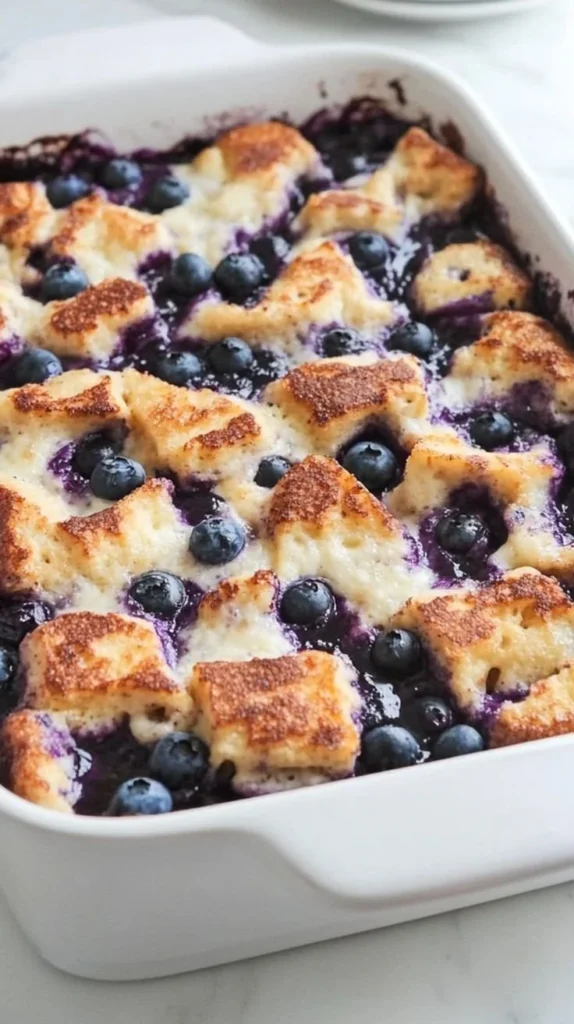
Homemade Sourdough Puff Pastry
Introduction
The first time you pull a warm sheet of sourdough puff pastry from the oven, the kitchen fills with a nutty, toasted aroma that hints at butter and caramelized flour. Each bite gives a crisp, delicate crackle that yields to a soft, slightly tangy interior — the signature whisper of sourdough working alongside classic laminated layers. This recipe is both comforting and celebratory: it’s perfect for cozy weekend mornings with coffee, elegant brunches, festive galette nights, or turning leftover fruit into show-stopping turnovers.
If you enjoy turning puff pastry into unexpected treats, you might also like my fruity takes like these strawberry puff pastry danishes, which pair beautifully with the sourdough tang.
Dish Snapshot
- Prep Time: 20 minutes active, plus chilling time (see below)
- Cook Time: Varies by finished pastry (typically 12–20 minutes for turnovers or tarts)
- Total Time: ~1 hour 20 minutes (includes at least 1 hour chilling)
- Servings: Makes about one small sheet — roughly 6 servings (depending on shapes)
- Difficulty Level: Intermediate (lamination requires patience but no special equipment)
Nutrition Highlights
Estimated nutrition per serving (recipe makes ~6 servings). Nutrition calculated using USDA FoodData Central values for all-purpose flour and unsalted butter; figures are approximate and will vary with serving size and fillings. For general health guidance see CDC and Mayo Clinic recommendations.
Per serving (approx.):
- Calories: 280 kcal
- Protein: 4 g
- Carbohydrates: 30 g
- Fat: 15 g
- Saturated Fat: ~9 g
- Fiber: ~1.5 g
- Sodium: ~80 mg
Notes on calculation and health context:
- Values were estimated from the ingredient composition (flour, starter, butter) and USDA nutrient profiles for those components; fillings or glazes will change totals.
- The pastry is rich in butter and therefore high in saturated fat per serving; enjoy in moderation and balance with vegetables/protein for a meal (CDC and Mayo Clinic provide general guidance on saturated fat and healthy eating patterns).
Why You’ll Love It
This version of puff pastry brings two irresistible qualities together: the airy, multi-layered texture of classic puff and the gentle tang and depth of sourdough. It’s perfect when you want bakery-level crispness without buying commercial sheets. The sourdough element adds flavor complexity — a subtle savory-sour backbone that makes sweet fruit fillings sing and savory pies more interesting. It’s also a social, hands-on recipe: fold and roll with friends or family, and turn the process into a slow, satisfying kitchen ritual.
Preparation Guide
Ingredients
- 1 cup sourdough starter
- 1 cup all-purpose flour
- 1/2 cup cold unsalted butter
- 1/4 teaspoon salt
- 1/4 cup cold water
Optional ingredients and substitutions:
- Use chilled coconut oil (solid) instead of butter for a dairy-free option (texture will differ).
- For a richer dough, replace 1–2 tablespoons of cold water with cold milk or buttermilk.
- Add 1 teaspoon sugar if making sweet turnovers.
- For gluten-free: use a dedicated gluten-free flour blend formulated for pastry and a binder like xanthan gum (results will vary).
Method & Process
- In a bowl, combine sourdough starter, flour, and salt. Mix well.
- Cut the cold butter into the mixture until it resembles coarse crumbs.
- Gradually add cold water, mixing until a dough forms.
- Shape the dough into a rectangle and wrap in plastic wrap. Chill in the refrigerator for at least 1 hour.
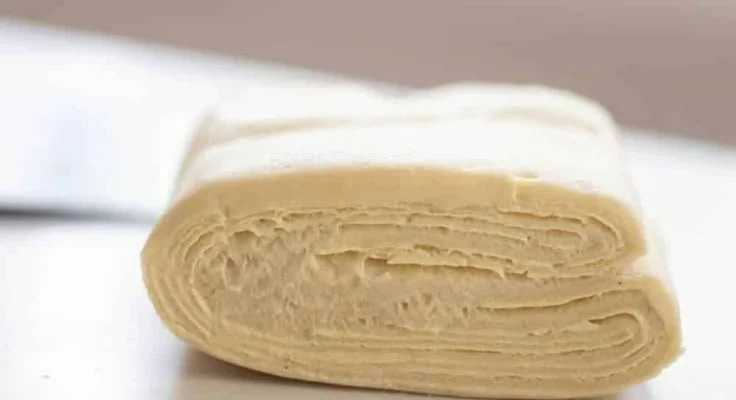
- Roll out the dough on a floured surface, folding it several times to create layers.
- Roll to desired thickness for turnovers or pies and fill as desired.
- Bake according to your pie or turnover recipe instructions.
Practical tips:
- Keep ingredients and dough cold: warmth melts butter and ruins layers. If the butter softens, chill the dough 20–30 minutes before continuing.
- Don’t overmix after adding water; overwork can develop too much gluten and toughen pastry.
- Use a light hand with flour while rolling — too much flour will reduce flakiness.
- Chill between folds if butter becomes too soft; 15–30 minutes in the fridge helps.
- Bake until deeply golden on the edges and between layers; steam pockets should be visible and interior layers tender.
Best Pairings
- Sweet: Serve warm with a smear of cultured butter and jam, a dusting of powdered sugar, or alongside vanilla ice cream for rustic galettes.
- Savory: Fill with caramelized onions, gruyère, and roasted mushrooms or use as a top crust for a rich pot pie.
- Drinks: Gorgeous with coffee, black tea, or a citrusy sparkling wine for brunch.
- Meal pairing: For a hearty contrast, serve savory sourdough pastries with an easy chili — try this easy chili con carne for a comforting combo.
Storage Instructions
- Room temperature: Freshly baked pastries are best eaten within 1 day at room temperature (store in an airtight container to preserve flake).
- Refrigeration: Keep in an airtight container for up to 3 days; reheat in a 350°F oven for 5–8 minutes to refresh crispness.
- Freezer: Unbaked laminated dough or fully baked pastries freeze well. Unbaked: wrap tightly and freeze up to 1 month; thaw overnight in the refrigerator before baking. Baked: freeze up to 2 months; reheat from frozen in the oven at 350°F until warmed through (10–15 minutes).
Insider Secrets
- Butter consistency: Use butter that’s cold but slightly pliable — too rock-hard makes incorporation difficult, too soft will smear into the dough.
- The resting rule: Resting is as important as rolling. Chilling relaxes gluten and firms butter for clean layers.
- Rolling technique: Roll consistently in one direction and fold into thirds or book folds. Rotate your dough as you go to keep it square and neat.
- Steam signals: When baking filled pastries, small steam vents and a glossy, deep golden color are your cues for doneness.
- Flavor boost: For savory bakes, brush with an egg wash and sprinkle flaky sea salt and cracked pepper for extra texture and taste.
Creative Twists
- Vegan: Swap butter for a high-quality solid vegetable shortening or vegan butter and use a plant-based starter maintenance routine.
- Herb-infused layers: Fold in finely chopped rosemary or thyme between folds for savory tarts.
- Whole-grain boost: Replace 1/3 of the all-purpose flour with whole-wheat pastry flour for nuttier flavor (keep an eye on hydration).
- Sweet fillings: Lemon curd and fresh berries, or apple-cinnamon with a maple glaze, shine with the sourdough tang.
- Savory turnovers: Fill with spiced lamb and feta or smoked salmon and dill-cream cheese for elegant appetizers.
Recipe Q&A
Q: Can I use active bubbly starter instead of discard?
A: Yes, but if your starter is very active it may add more acidity and activity to the dough; you may want to reduce additional water slightly and watch fermentation times.
Q: My layers aren’t puffing — what went wrong?
A: Most likely butter warmed and smeared into the dough; chill thoroughly between folds and make sure oven is fully heated to create steam for lift.
Q: Can I make this ahead?
A: Make the dough and do the folds a day ahead; keep wrapped in the fridge and roll/bake the following day. You can also freeze unbaked, rolled sheets for up to a month.
Q: How to make it healthier?
A: Reduce butter proportion slightly and use lean savory fillings (vegetables, lean protein). Remember that traditional puff pastry is butter-rich by nature.
Conclusion
If you’ve been craving the allure of bakery layers at home, this sourdough puff pastry gives you the crisp, flaky texture with a delicious tang that elevates both sweet and savory dishes. For more inspiration and alternate techniques, check this excellent guide to a sourdough puff pastry made with discard starter and another approachable step-by-step method at Easy Sourdough Puff Pastry – Farmhouse on Boone. Try it, share your photos and tweaks, and join the community of bakers who delight in turning simple ingredients into layered magic.