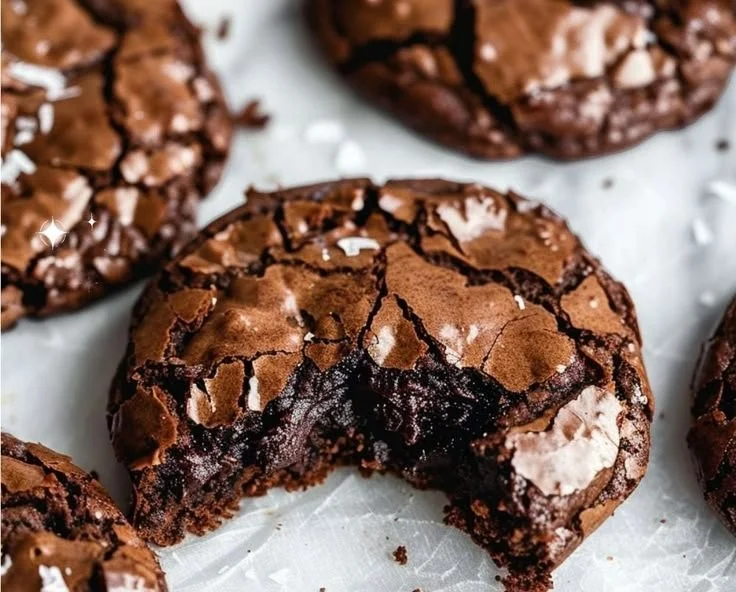
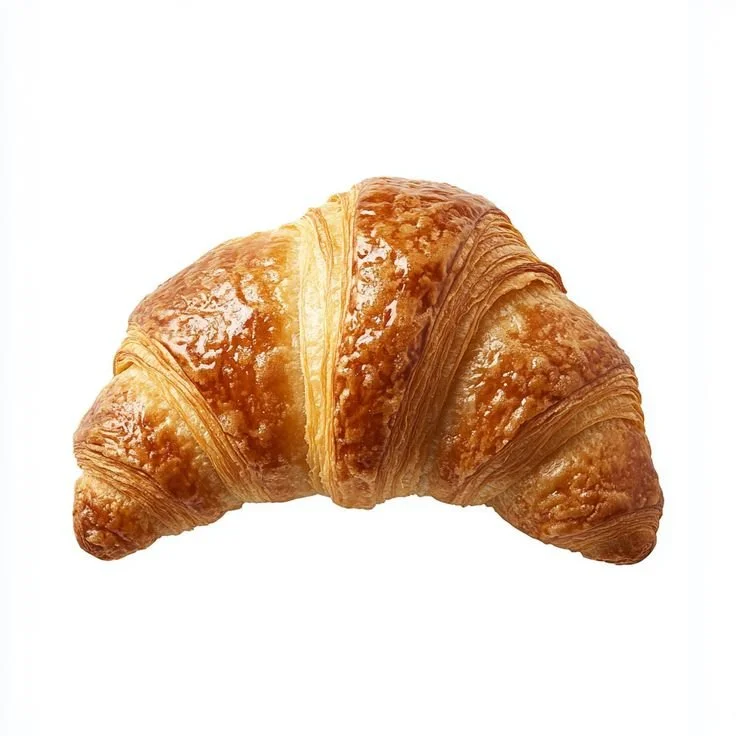
A Bite of France: Classic Madeleines (A Popular French Sweet)
There’s a reason madeleines have held a spot in the French pastry canon for centuries: the moment they come out of the oven the kitchen fills with a warm, buttery perfume, brightened by lemon and vanilla; the first bite gives a tender sponge with a delicate crisp "shell" at the edge. These petite scallop-shaped cakes are at once comforting and elegant — like a soft, buttery cloud with a whisper of citrus.
Madeleines are perfect for cozy mornings with a mug of coffee, for afternoon tea when you want something light and refined, or as the sweet, nostalgic centerpiece of a holiday dessert tray. They also travel well for gatherings and make a beautiful, bite-sized offering when you want something that feels special without fuss. If you enjoy assembling a brunch spread that balances sweet with savory, you might also pair them with a heartier baked dish — for example, try the cheeseburger french fry casserole recipe for a playful sweet-and-savory contrast.
At a Glance
- Prep Time: 20 minutes active + 1 hour resting (recommended)
- Cook Time: 8–12 minutes per batch
- Total Time: ~1 hour 30 minutes (including rest)
- Servings: About 12 standard madeleines (yield depends on pan size)
- Difficulty Level: Easy–Intermediate (needs brief batter resting and correct pan prep)
Nutrition Highlights
Estimated nutrition per one madeleine (1 of 12). These are approximate values derived from ingredient nutrition values in USDA FoodData Central and standard nutrition references; use them as a guide for meal planning. (For authoritative nutrient guidance, consult USDA FoodData Central or your healthcare provider.)
- Calories: ~190 kcal
- Protein: ~2.6 g
- Carbohydrates: ~24.6 g
- Sugars: ~16–18 g
- Fiber: <1 g
- Fat: ~8.1 g
- Saturated fat: ~4.5 g
- Cholesterol: ~65 mg
- Sodium: ~60–80 mg
Notes: These estimates assume a classic recipe using whole eggs, granulated sugar, unsalted butter, and all-purpose flour. Dietary needs vary; consult government nutrition resources (USDA, Nutrition.gov) or professional guidance for precise meal planning.
Perfect For…
- Cozy breakfast moments: pair two warm madeleines with coffee for a light, indulgent start.
- Afternoon tea and gatherings: elegant, bite-sized, and easy to serve.
- Festive trays and gift boxes: they travel and stack well when cooled.
- Memory-making: their nostalgic aroma often evokes grandmothers’ kitchens and leisurely afternoons.
- Baking practice: madeleines are a great way to practice temperature control and batter handling for newer bakers.
How to Make popular French sweets
Ingredients (yields ~12 madeleines)
- 3 large eggs, room temperature
- 2/3 cup (135 g) granulated sugar
- 1 cup (120 g) all-purpose flour, sifted
- 1/2 teaspoon baking powder
- Pinch of fine salt
- 1 teaspoon pure vanilla extract
- Zest of 1 lemon (optional, about 1 tablespoon)
- 1/2 cup (113 g) unsalted butter, melted and cooled slightly (browned butter optional)
- Nonstick spray or softened butter and a dusting of flour for the pan
Optional ingredients & substitutions
- Almond extract (replace part/all of vanilla) for nutty aroma.
- 2 tablespoons cocoa powder for chocolate madeleines (reduce flour slightly).
- Gluten-free: use a 1:1 gluten-free flour blend.
- Vegan: replace eggs with 1/2 cup aquafaba (whipped) + 1 teaspoon baking soda and use vegan butter; texture will differ.
- Browned butter (beurre noisette) in place of melted butter for deeper, toasty flavor.
Method (step-by-step)
-
Prepare the pan and oven
- Preheat oven to 375°F (190°C).
- Generously butter or spray a madeleine pan and lightly dust with flour, tapping out excess. Chill the pan briefly to help batter cling and form the shell.
-
Whisk eggs and sugar
- In a mixing bowl, whisk the eggs and granulated sugar vigorously (or use a hand mixer) until thickened, pale, and ribbon-like — about 3–5 minutes. This aeration is key to the tender crumb.
-
Add flavor and dry ingredients
- Fold in vanilla extract and lemon zest.
- Sift together the flour, baking powder, and salt, then gently fold into the egg mixture in two additions, preserving as much air as possible.
-
Incorporate butter
- Fold in the cooled melted butter in a steady stream until incorporated. Do not overmix; loose, aerated batter is desired.
-
Rest the batter (important)
- Cover and refrigerate the batter for at least 30–60 minutes (up to overnight). Resting hydrates flour and helps achieve the classic hump.
-
Fill the molds and bake
- Spoon or pipe batter into prepared madeleine molds, filling each about 3/4 full.
- Bake for 8–12 minutes, rotating pan halfway, until edges are golden and centers spring back. The signature "hump" should be visible for properly rested batter.
-
Cool and release
- Let madeleines sit in pan for 1–2 minutes, then turn out onto a rack to cool. Dust with powdered sugar just before serving if desired.
Practical tips
- Room-temperature eggs incorporate more easily and trap air better.
- Don’t overfill molds — madeleines expand quickly once in the oven.
- If using browned butter, cool slightly before folding in to avoid deflating the batter.
- For a sharper hump, place the batter in the fridge between mixing and baking.
Ways to Enjoy
- Classic: dust with a fine sift of powdered sugar and serve warm.
- With butter and jam: split and spread a thin layer of apricot or raspberry jam for tea-time charm.
- Dipped: half-dip cooled madeleines in melted dark chocolate and let set for an elegant finish.
- Paired: balance sweetness with a savory dish; they contrast beautifully alongside rich brunch bakes — try them with a hearty, crowd-friendly casserole such as a cheeseburger french fry casserole — a savory crowd-pleaser.
- Beverage pairings: espresso or black tea for contrast; a light dessert wine or champagne for celebratory occasions.
- Gift idea: stack in parchment-lined boxes with a ribbon for hostess gifts or holiday giving.
Shelf Life & Storage
- Room temperature: store cooled madeleines in an airtight container at room temp for up to 2 days. They’re best eaten fresh.
- Refrigeration: keep in an airtight container for up to 5 days. Note: refrigeration may slightly dry them; rewarm briefly before serving.
- Freezer: freeze cooled madeleines in a single layer on a tray, then transfer to a freezer-safe bag or container for up to 2 months. Thaw at room temperature and warm briefly in a low oven (275°F / 135°C) for a few minutes.
Expert Tips
- Rest is king: chilling the batter helps the hump form and gives a better texture; don’t skip it.
- Pan prep matters: even slight stickiness will interfere with the scallop pattern; butter + flour, or a good nonstick spray, is essential.
- Browning the butter: a shallow, fragrant depth of flavor comes from browned butter; cool it before folding into batter.
- Oven temperature: a hot oven jump-starts the rise. If your oven runs cool, preheat longer or set slightly higher and test with a single shell first.
- Doneness cues: madeleines are done when the edges are golden and centers spring back; avoid overbaking for the best tenderness.
Creative Twists
- Lemon-Glaze Madeleines: brush a simple lemon glaze (powdered sugar + lemon juice) on cooled madeleines for extra brightness.
- Chocolate-Hazelnut: fold 2 tbsp cocoa into the batter and finish by dipping tips into hazelnut-chocolate spread.
- Almond & Orange: substitute 2 tbsp almond flour for part of the AP flour and use orange zest instead of lemon.
- Gluten-free version: use a 1:1 gluten-free flour blend and add 1 tsp xanthan gum if your blend lacks it.
- Vegan madeleines: use whipped aquafaba (chickpea brine) in place of eggs and vegan butter for a plant-based alternative — texture will be slightly different but still delightful.
Frequently Asked Questions
Q: Can I make the batter ahead?
A: Yes — cover and refrigerate for up to 24 hours. Bring to fridge-cold before scooping and bake as directed for best hump and texture.
Q: Why didn’t my madeleines develop a hump?
A: Common causes: batter not rested/chilled, underwhipped eggs, oven too cool, or over-greased pan. Chill the batter, aerate the eggs well, and ensure oven is fully preheated.
Q: Can I use a silicone madeleine pan?
A: Yes, but silicone often requires more careful greasing and a slightly longer bake time. Metal pans give crisper edges and a more pronounced hump.
Q: How do I re-crisp stale madeleines?
A: Warm in a low oven (275°F / 135°C) for 3–5 minutes to revive exterior crispness.
Q: Are there healthier tweaks?
A: You can reduce sugar slightly, use part whole-wheat pastry flour for added fiber, or replace butter with a lighter oil — note that texture and flavor will change.
Conclusion
If you’re craving a small, elegant pastry that captures the warmth of French home baking, these classic madeleines are an irresistible place to start — they’re fragrant, tender, and surprisingly simple to master. Try a batch this weekend, experiment with a variation, and share your results with friends or on social. For context on French dessert traditions, explore an overview like 10 Traditional French Desserts for Bastille Day or see a larger curated list at 34 of Our Favorite French Desserts. Happy baking — and don’t forget to breathe in that buttery, citrus-scented air when they come out of the oven.